DIY Suspension Check: How to Spot Wear Before It Costs You
When you drive over a bump and your car feels like it’s bouncing like a rubber ball, that’s not just annoying—it’s a sign your suspension, the system that connects your wheels to the car and absorbs road shocks is failing. A healthy suspension keeps your tires on the road, gives you control in turns, and stops your car smoothly. But when shocks, struts, or bushings wear out, you don’t just lose comfort—you lose safety. Most people wait until their car feels like it’s falling apart before they check it. That’s too late. A simple DIY suspension check, a quick visual and physical inspection you can do in your driveway takes 15 minutes and can save you hundreds—or even thousands.
What you’re really looking for are the parts that wear out first: shocks, the cylinders that dampen bounce and keep tires planted, struts, a combined shock and spring unit that supports the car’s weight, and ball joints, the pivot points that let your wheels turn and move up and down. Look for oil leaks on the shocks—any wetness means they’re done. Push down hard on each corner of the car. If it bounces more than once, the shocks are worn. Check for play in the wheels by grabbing the top and bottom and trying to wiggle them. If there’s movement, your ball joints or wheel bearings are loose. Listen for clunks when you go over speed bumps—that’s a sign of broken bushings or loose control arms. These aren’t guesses. These are the exact signs that show up in the repair reports we’ve seen from thousands of cars.
You don’t need fancy tools or a lift. Just a flashlight, some gloves, and a little time. Do this every 10,000 miles or if you notice your car pulling to one side, steering feels loose, or your tires are wearing unevenly. Ignoring a bad suspension doesn’t make it better—it makes your tires wear faster, your brakes work harder, and your alignment go out of whack. One worn shock can cost you $500 in extra tire replacement over a year. A full suspension failure? That’s a $2,000 repair and a possible accident. The posts below show you how to test each part, what noises to listen for, which parts are most likely to fail, and how to fix them without paying shop prices. Whether you’re driving on city potholes or rural backroads, knowing how to check your suspension means you’re not just fixing a car—you’re keeping yourself safe.
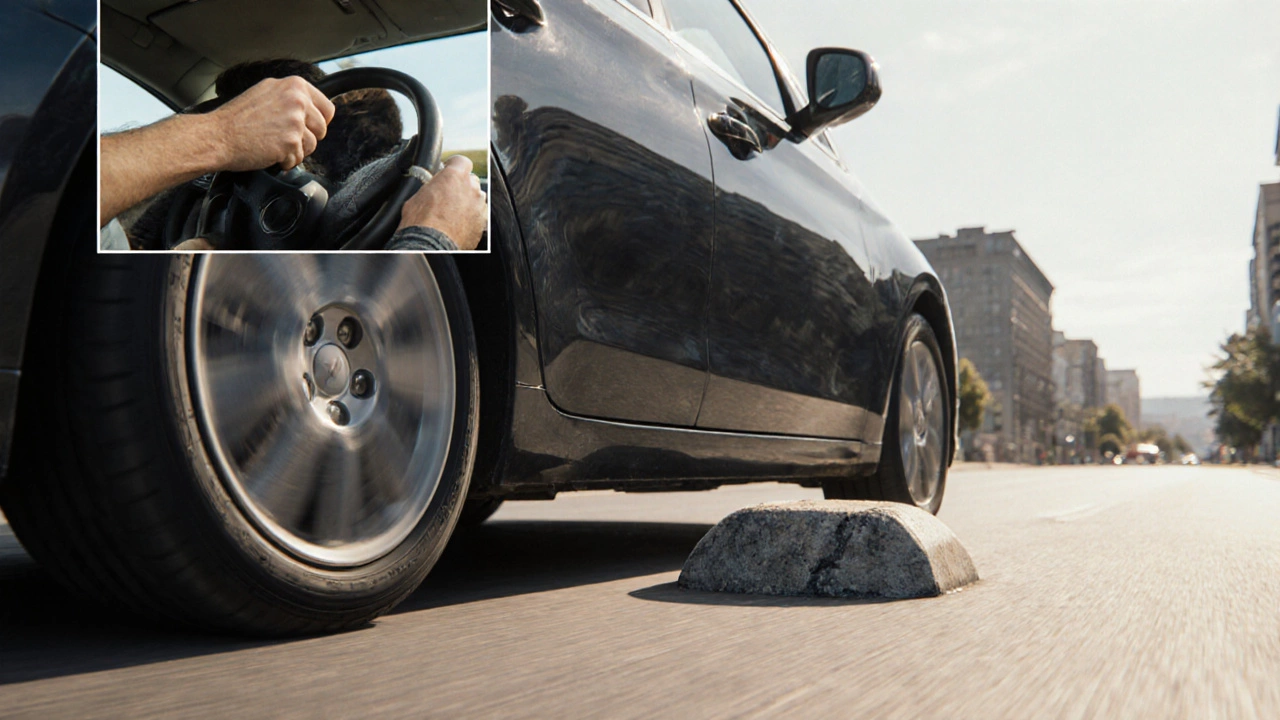
How to Test Your Car Suspension: Simple DIY Methods
Learn simple DIY methods to test your car suspension, spot problems early, and know when to seek professional help.