Engine Oil: What It Does, How to Choose, and What Really Matters
When you think about your car’s health, engine oil, a lubricant that reduces friction, cools engine parts, and cleans internal components. Also known as motor oil, it’s the lifeblood of your engine—without it, metal grinds against metal, and your engine fails fast. It’s not just about topping off when the light comes on. The right engine oil can extend your engine’s life by tens of thousands of miles. The wrong one? It can cause damage you won’t even notice until it’s too late.
Not all oil viscosity, a measure of how thick or thin the oil flows at different temperatures is created equal. Your owner’s manual says 5W-30 for a reason. Too thick, and the oil won’t flow fast enough on cold starts. Too thin, and it can’t protect under heavy load. Synthetic oil, for example, flows better in winter and holds up longer under heat than conventional oil. That’s why many modern engines require it. And while some shops push expensive additives, the truth is simple: stick to the grade and type your car needs. No magic potions fix bad oil choices.
oil change intervals, how often you should replace engine oil based on driving conditions and oil type are often misunderstood. Just because your car says 10,000 miles doesn’t mean you should wait that long if you drive in stop-and-go traffic, dusty areas, or extreme heat. Short trips, where the engine never fully warms up, let moisture and gunk build up in the oil. That’s why many mechanics recommend changing oil every 5,000 to 7,000 miles for normal driving, even if the car says otherwise. And don’t forget the filter—changing the oil without replacing the filter is like washing your face with a dirty towel.
What you’re really looking for is balance: protection, cleanliness, and longevity. High-mileage oils contain seal conditioners to prevent leaks in older engines. Performance oils have better heat resistance for spirited driving. And if you’re towing or hauling, you need oil rated for higher stress. The key is matching the oil to your driving habits, not just the label on the bottle.
You’ll find posts here that break down how to tell if your oil is dirty before your next change, why some engines burn oil faster than others, and how to spot fake or low-quality oil on the shelf. We’ve also covered what happens when you skip oil changes, how oil affects fuel economy, and why some cars need special oil for turbochargers. These aren’t theory pieces—they’re real fixes, real tests, and real advice from people who’ve been under the hood.
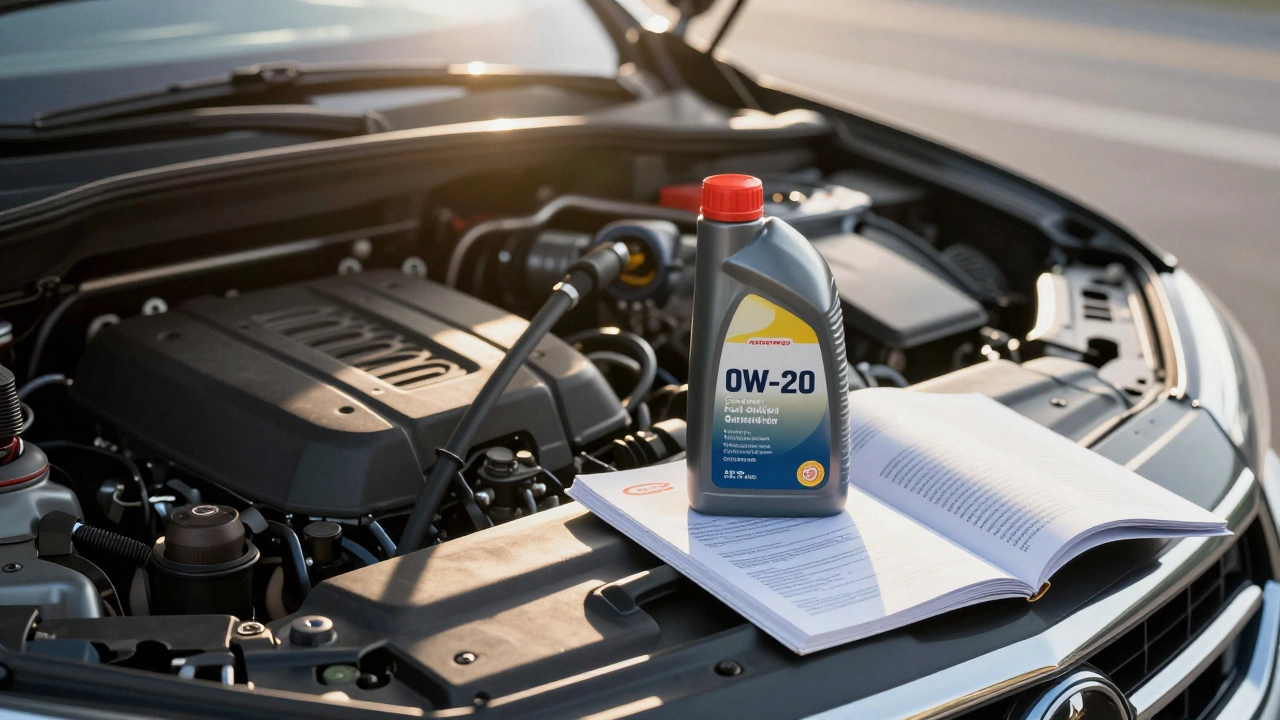
How Do I Know What Engine Oil I Need for My Car?
Learn how to choose the right engine oil for your car by checking your owner’s manual, understanding viscosity ratings, and matching oil type and specifications. Avoid costly engine damage with the correct oil.
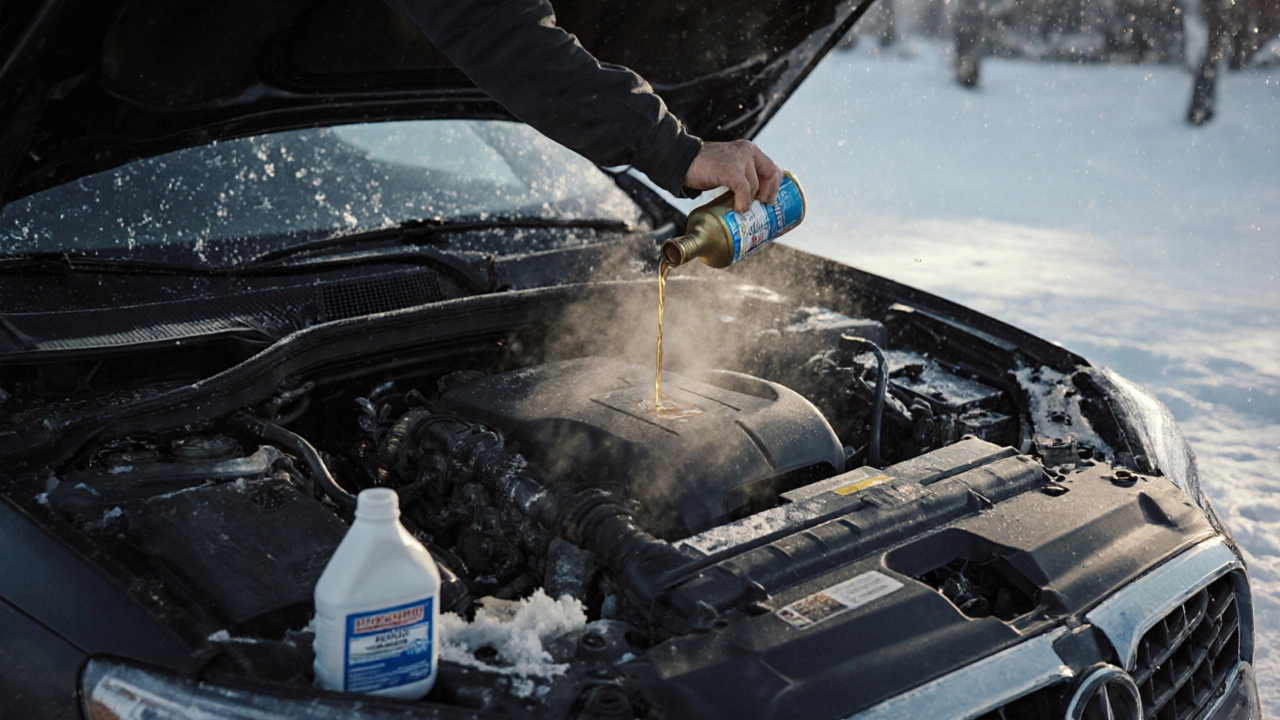
Does It Matter What Oil I Add to My Car? The Real Impact of Using the Wrong Engine Oil
Using the wrong engine oil can damage your car's engine, reduce fuel economy, and shorten its life. Learn what oil type, viscosity, and specification your car really needs - and why cutting corners isn't worth the risk.

Engine Oil: What Really Happens When Your Car Runs Low
Ever wonder what actually happens when your car is low on engine oil? This article dives into why oil matters, what happens if you skip or delay an oil change, and how to spot the warning signs before real damage hits. You'll learn simple tips for checking oil at home, plus what you can do if you notice trouble. Forget the jargon—just practical steps and real examples to help keep your car running smooth.

How Much Oil Should I Add If It's Low? Engine Oil Basics Made Easy
Not sure how much engine oil to add if your car is running low? This article breaks down what signs to look for, how to read the dipstick, and the right way to top up oil without overfilling. You’ll get practical tips, learn about common mistakes, and find out how much is too much. Whether you're a beginner or just need a quick reminder, this guide makes oil checks easy and stress-free.

How Long Can Engine Oil Sit Before It Goes Bad?
Ever wondered if the oil just sitting in your engine can go bad? This article covers how long engine oil can stay inside an unused engine before it loses its effectiveness, what happens as it ages, and why that's a big deal for your car. You'll find out the science behind oil breakdown, what affects its shelf life, and how you can tell when it's time to replace it. Simple tips will help you keep your engine safe even if your car is parked for months. No confusing jargon, just practical advice for every car owner.