Engine Overheating: Causes, Signs, and How to Fix It
When your engine overheating, a dangerous condition where the engine temperature rises beyond safe limits, often leading to permanent damage. Also known as thermal runaway, it’s not just a warning light—it’s a cry for help. Most people ignore it until steam comes out of the hood. But by then, it’s too late. Overheating doesn’t happen out of nowhere. It’s usually caused by one or two failing parts in the cooling system, the network of components that regulate engine temperature, including the radiator, water pump, thermostat, and coolant hoses. If any of those break down, heat builds up fast—and your engine pays the price.
Look for the obvious signs: the temperature gauge climbing into the red, steam rising from under the hood, or a sweet smell like boiling syrup (that’s coolant leaking). But there are quieter warnings too. A low coolant level isn’t normal—it means there’s a leak somewhere. Sludge in the coolant? That’s old fluid mixing with rust and dirt, clogging the system. A broken radiator, the main heat exchanger that cools engine fluid before it circulates back can crack from age or impact. A failing water pump, the mechanical pump that pushes coolant through the engine might make a whining noise or leak around the shaft. And if the thermostat, the valve that controls coolant flow based on engine temperature gets stuck closed, the engine can’t cool at all. These aren’t guesses. These are the exact problems shown in real repair cases across dozens of vehicles.
You don’t need to be a mechanic to spot these issues early. Check your coolant level every few weeks. Look under the car for puddles. Listen for strange noises when the engine warms up. And never ignore that warning light—even if it goes off after a few minutes. One time it might be a loose cap. The next time, it’s a blown head gasket. Fixing a small leak now saves you from a $3,000 engine rebuild later. Below, you’ll find real guides from people who’ve been there: how to tell if your radiator’s failing, what a bad water pump sounds like, how coolant loss leads to overheating, and why skipping a simple flush can cost you more than a new part. These aren’t theories. These are fixes that worked.
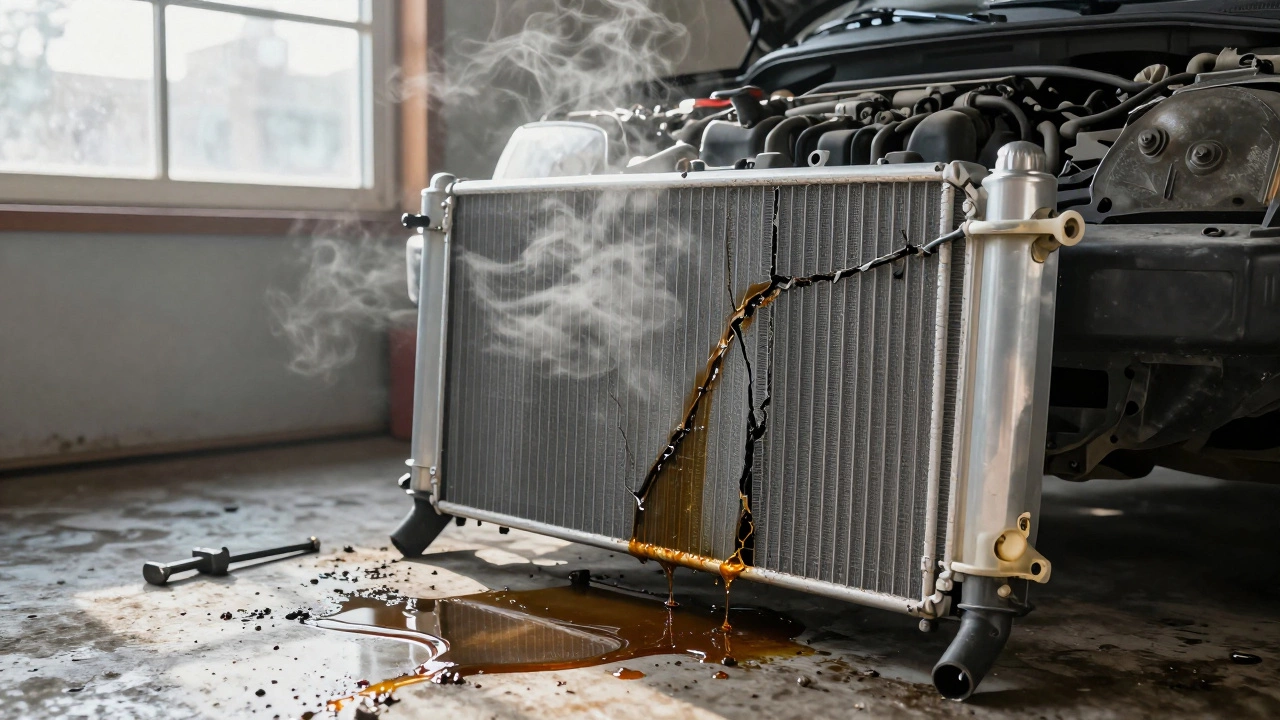
Is It Worth Installing New Radiators in Your Car?
Replacing a worn-out car radiator prevents engine damage and overheating. Learn when it's worth the cost, what to check before replacing it, and how to avoid costly mistakes.

Why Do Car Radiators Fail?
Car radiators are essential in keeping our engines from overheating, but they aren't infallible. Busted hoses, leaks, and corrosion often lead to radiator failure. Maintaining your car radiator involves understanding why they fail, recognizing warning signs, and taking preventive measures. Discover practical tips and facts about keeping your car radiator in top form.