Motor Oil: What It Does, How to Choose, and What Really Matters
When you think about your car’s engine, you’re really thinking about motor oil, a lubricant that reduces friction, cools parts, and cleans debris inside the engine. Also known as engine oil, it’s the lifeblood of your vehicle—no matter if you drive a daily commuter or a track-ready machine. Skip an oil change, and you’re not just risking a warning light—you’re inviting costly damage. The right motor oil doesn’t just keep things running; it extends engine life, improves fuel efficiency, and keeps performance sharp.
Not all motor oils are created equal. The big difference comes down to viscosity, how thick or thin the oil flows at different temperatures. That number you see on the bottle—like 5W-30 or 10W-40—isn’t marketing fluff. It tells you how the oil behaves when cold and when hot. Using the wrong viscosity can lead to poor lubrication, overheating, or even engine seizure. Then there’s synthetic oil, a high-performance blend engineered for better flow, longer life, and superior protection under stress. It costs more upfront, but it lasts longer, handles extreme heat better, and reduces sludge buildup compared to conventional oil. For most modern cars, synthetic is the smart choice—not because it’s trendy, but because manufacturers design engines to run on it.
And it’s not just about the type of oil—it’s about timing. Most drivers don’t realize that oil breaks down over time, even if you’re not driving much. Old oil loses its cleaning power and turns into gunk. That’s why you need to change it based on time and mileage, not just the oil light. If your car sits for months, the oil still degrades. If you haul heavy loads or drive in stop-and-go traffic, you need to change it sooner. And yes, the filter matters too. A dirty filter can starve your engine of clean oil, no matter how good the oil is.
Below, you’ll find real-world guides on what to look for when buying oil, how to spot bad oil before it kills your engine, and which brands actually deliver on their promises. No fluff. No hype. Just what works.
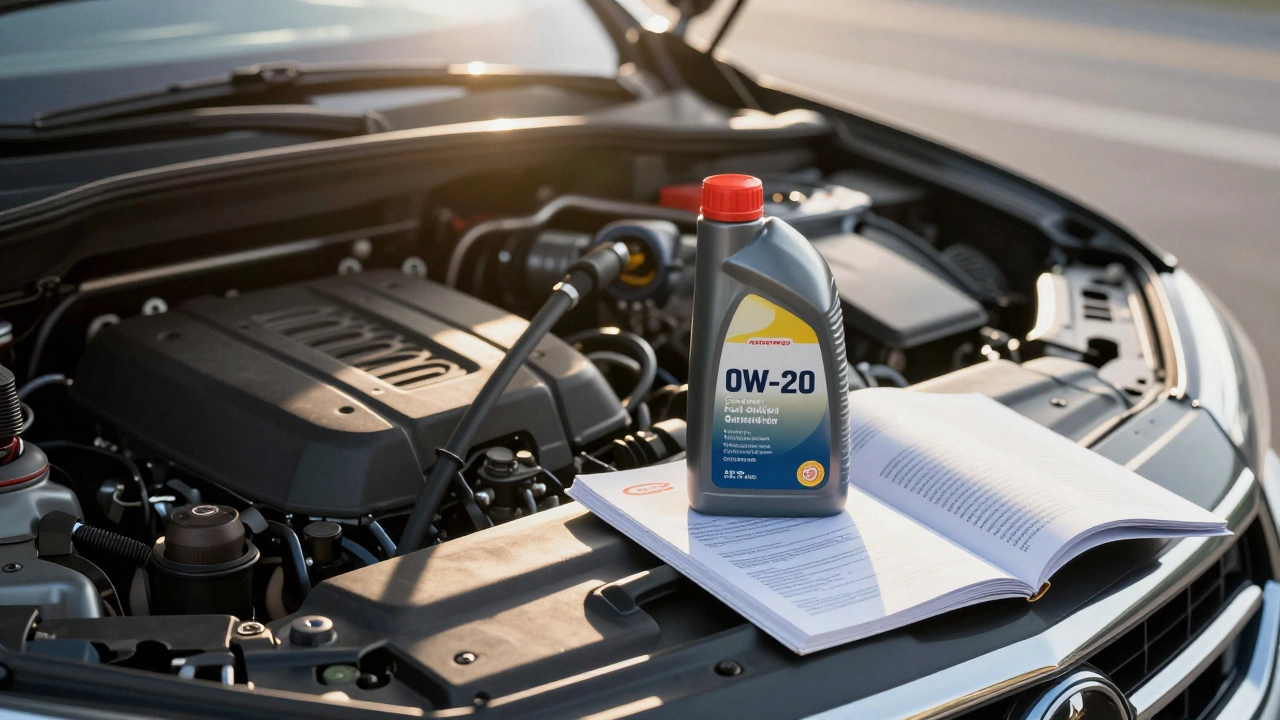
How Do I Know What Engine Oil I Need for My Car?
Learn how to choose the right engine oil for your car by checking your owner’s manual, understanding viscosity ratings, and matching oil type and specifications. Avoid costly engine damage with the correct oil.

Does It Matter What Oil I Add to My Car? The Real Impact of Using the Wrong Engine Oil
Using the wrong engine oil can damage your car's engine, reduce fuel economy, and shorten its life. Learn what oil type, viscosity, and specification your car really needs - and why cutting corners isn't worth the risk.

How Much Oil Should I Add If It's Low? Engine Oil Basics Made Easy
Not sure how much engine oil to add if your car is running low? This article breaks down what signs to look for, how to read the dipstick, and the right way to top up oil without overfilling. You’ll get practical tips, learn about common mistakes, and find out how much is too much. Whether you're a beginner or just need a quick reminder, this guide makes oil checks easy and stress-free.