Mufflers: What They Do, How They Fail, and What to Do About It
When your car sounds like a chainsaw on a highway, the problem isn’t the engine—it’s the muffler, a key part of the exhaust system that silences engine noise before it exits the vehicle. Also known as a silencer, it’s not just about quiet rides—it’s about safety, efficiency, and legal compliance. Without a working muffler, your car isn’t just loud; it’s dangerous. Exhaust gases can leak into the cabin, and the engine won’t run right because backpressure is thrown off.
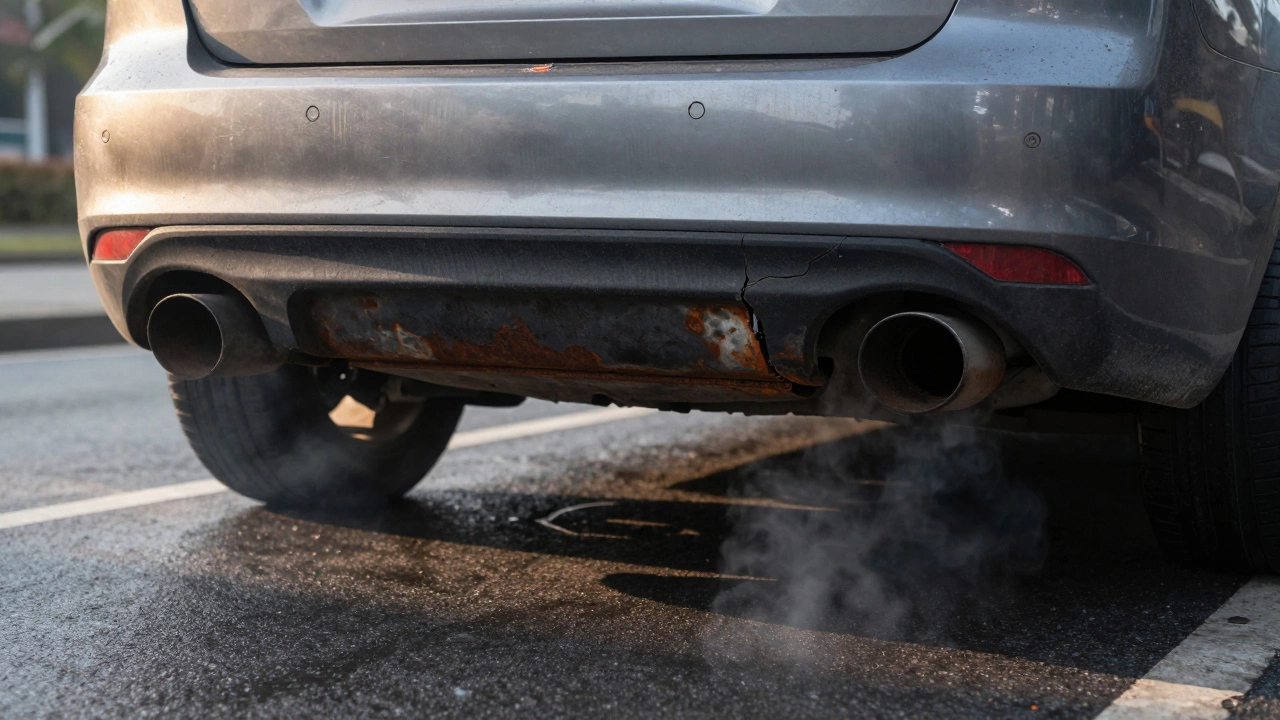
Most people don’t think about mufflers until they start rattling, hissing, or roaring. That’s when you realize it’s not just noise—it’s rust, cracks, or broken hangers. A bad muffler often comes with other issues: a failing catalytic converter, damaged exhaust pipes, or worn-out gaskets. These parts work as a team. If one breaks, the rest take the hit. You might hear clunks when you hit bumps—that’s the muffler hanging loose. Or a deep rumble at idle? That’s usually a hole letting exhaust escape where it shouldn’t.
Replacing a muffler isn’t always expensive, but waiting too long can cost you more. A rusted muffler can eat through the entire exhaust system. In some places, driving with a broken muffler gets you fined. And let’s be real—nobody wants to hear their own car sound like a drag racer on the way to the grocery store. The posts below cover everything from how to tell if your muffler is done for, to what causes those weird noises, and how to replace one without getting ripped off. You’ll find real fixes, real costs, and the signs you might be missing right now.
Do Mufflers Increase Gas Mileage? The Real Impact on Fuel Efficiency
Mufflers don't improve gas mileage unless they're damaged. Learn the truth about exhaust systems and fuel efficiency - and what actually saves you money at the pump.