Noisy Flywheel: What It Means and How to Fix It
When your car makes a loud noisy flywheel, a heavy rotating disc connected to the engine’s crankshaft that smooths out power delivery and helps engage the clutch. Also known as crankshaft flywheel, it’s not supposed to make noise—so when it does, something’s wrong. This isn’t just an annoying rattle. A failing flywheel can lead to clutch failure, starter damage, or even a complete engine shutdown.
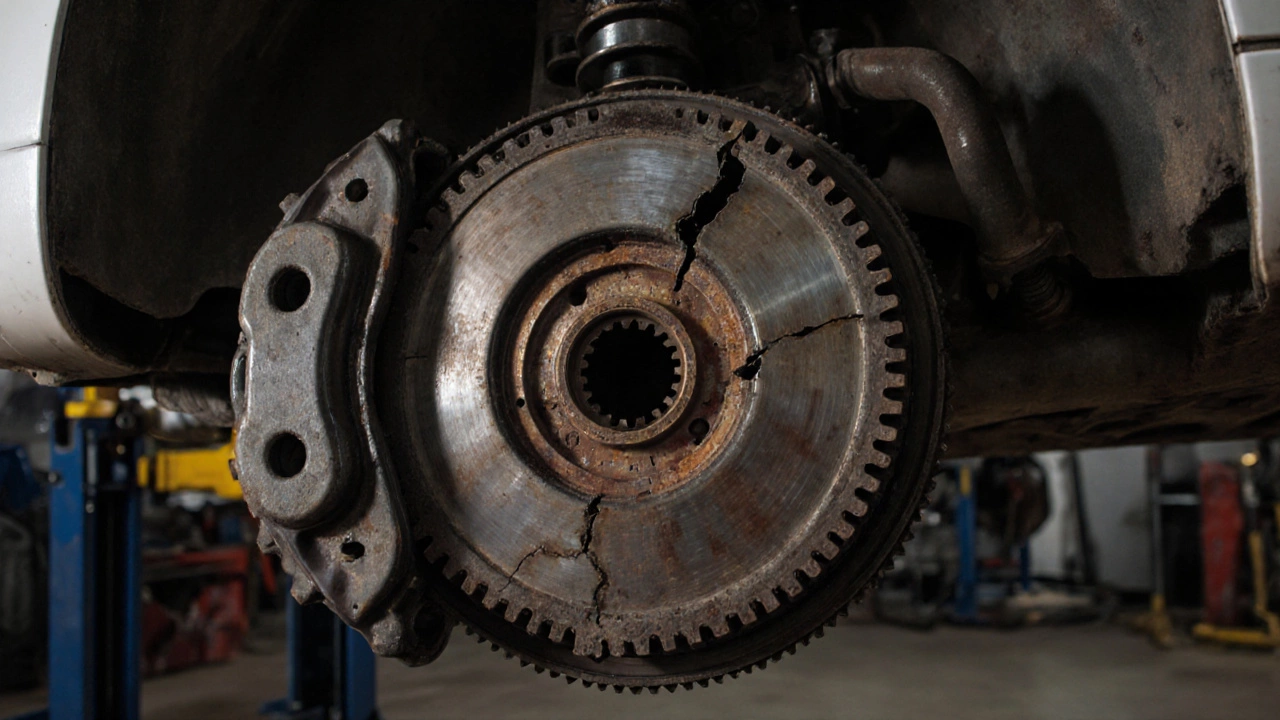
The clutch, the component that connects and disconnects engine power from the transmission is often the real culprit behind flywheel noise. Worn clutch release bearings, warped pressure plates, or a cracked flywheel surface can all create grinding or chirping sounds when you press the pedal. But don’t assume it’s the clutch—starter motor, the electric motor that turns the engine over to start it can also be the problem. If you hear a loud clunk or grinding when you turn the key, the starter’s pinion gear might be worn or misaligned, grinding against the flywheel’s teeth. And if you feel vibrations through the pedal or floorboard, the flywheel itself could be cracked, warped, or losing its balance from heat damage.
These problems don’t show up overnight. They build up from aggressive shifting, riding the clutch, or ignoring early warning signs like slipping gears or hard starts. A flywheel with damaged teeth won’t turn the engine properly, leading to repeated starter failures. A warped surface will cause the clutch to grab unevenly, making your car jerk or shudder when pulling away. And if you hear a rhythmic clunking at idle, that’s often a sign the flywheel’s dampening springs have broken—something that can’t be fixed with a simple adjustment.
You won’t fix this with a quick tune-up. Diagnosing a noisy flywheel means checking the clutch, inspecting the starter engagement, and sometimes removing the transmission to get a clear look. Some mechanics will suggest replacing just the clutch, but if the flywheel is damaged, it’ll ruin the new clutch fast. That’s why most professionals recommend replacing both together—especially if your car has over 80,000 miles. It’s more expensive upfront, but it saves you from a second repair in six months.
The posts below cover everything you need to know: how to tell if your flywheel is the problem, what other parts are likely failing alongside it, how much repairs actually cost, and what you can do yourself before heading to the shop. You’ll find real-world fixes from people who’ve been there—not guesswork or theory. Whether you’re trying to avoid a tow truck or just want to understand why your car sounds like a broken washing machine, these guides give you the facts without the fluff.
What Noise Does a Bad Flywheel Make? Signs You Need a Replacement
A bad flywheel makes grinding, clunking, or chirping noises-especially when shifting or accelerating. Learn how to spot the signs, why it fails, and when to replace it before it destroys your clutch or transmission.