Oil Dipstick: How to Use It and What It Tells You About Your Engine
When you pull out the oil dipstick, a simple metal or plastic rod used to measure engine oil level and condition. Also known as engine oil gauge, it’s one of the most important tools you have for keeping your car alive—no fancy tools, no apps, just your fingers and a clean rag. Most people ignore it until their engine starts making noise. That’s a mistake. The dipstick doesn’t lie. If it shows low oil, dirty oil, or no oil at all, your engine is in danger.
Your engine runs on motor oil, a lubricant that reduces friction between moving parts and keeps the engine cool. Without enough oil, metal touches metal. That’s how engines seize. The dipstick tells you if you’ve got enough. It also shows you the oil’s condition—thick, dark, gritty oil means it’s worn out and needs changing. Even if you’re not due for an oil change, a quick dipstick check every few weeks can catch leaks, burning oil, or overfilling before they turn into $3,000 repairs.
Some people think the dipstick is outdated—why not just rely on dashboard warnings? Because those warnings show up when it’s already too late. The dipstick gives you early notice. It’s the first line of defense. A low reading could mean a small leak you can fix with a new gasket. A milky appearance could mean coolant is mixing with oil—that’s a head gasket failure. And if the oil smells like burnt plastic? Stop driving. Now.
You don’t need to be a mechanic to use it. Park on level ground, turn off the engine, wait a few minutes, pull the dipstick, wipe it clean, reinsert it fully, then pull it out again. Look for the two marks—min and max. Oil between them? Good. Below min? Add a quart. Above max? You’ve overfilled, which can cause damage too. And always check the color and texture. Clear amber? Healthy. Thick and black? Time to change it.
This isn’t just about oil. The dipstick connects to bigger things—like engine oil level, the amount of lubricant circulating in your engine at any given time, which affects everything from fuel economy to how long your engine lasts. It ties into car maintenance, routine checks that prevent breakdowns and extend vehicle life. Skipping it is like ignoring your blood pressure. You might feel fine today, but tomorrow could be the day your car won’t start.
Below, you’ll find real stories from people who ignored the dipstick—and those who didn’t. You’ll see how bad oil leads to misfires, how overfilling ruins seals, and why some people save hundreds by checking it every time they fill up. No fluff. Just what works. This is the kind of info that keeps your car on the road and your wallet full.
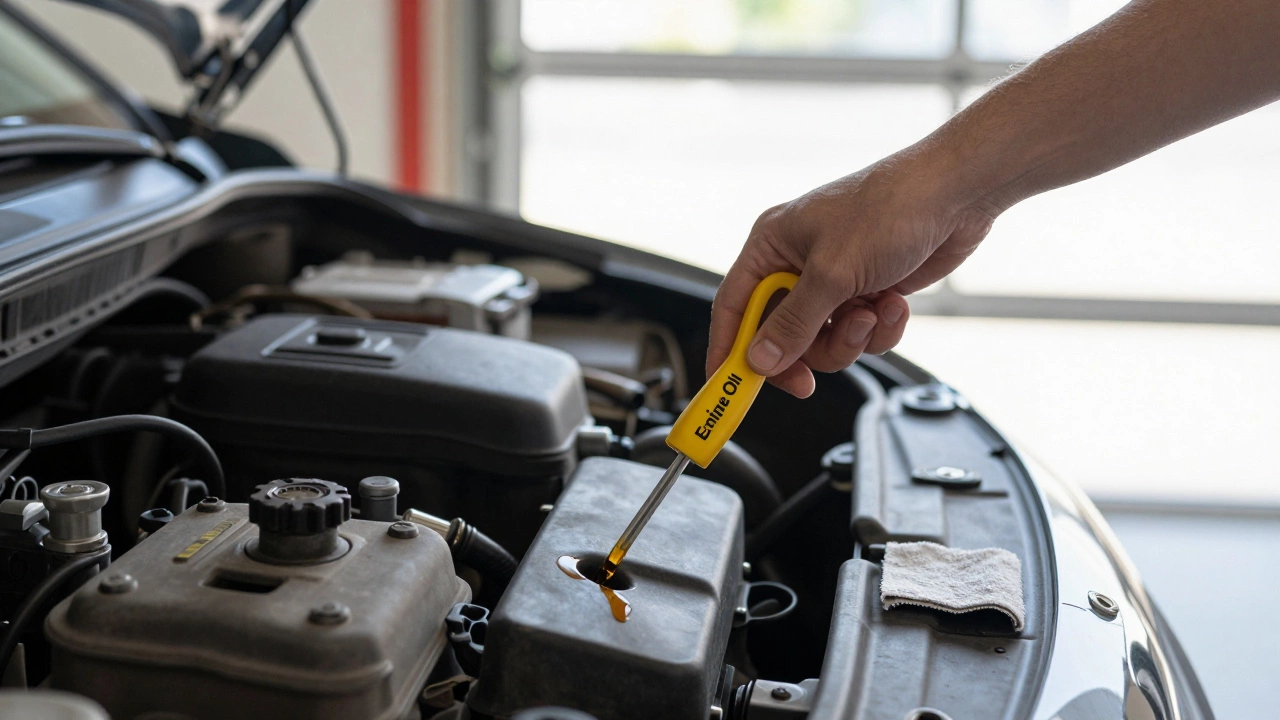
How to Tell if a Car Is Low on Oil: Simple Signs and What to Do
Learn the clear signs your car is low on oil-dipstick checks, strange noises, warning lights, and leaks. Know what to do before engine damage happens.
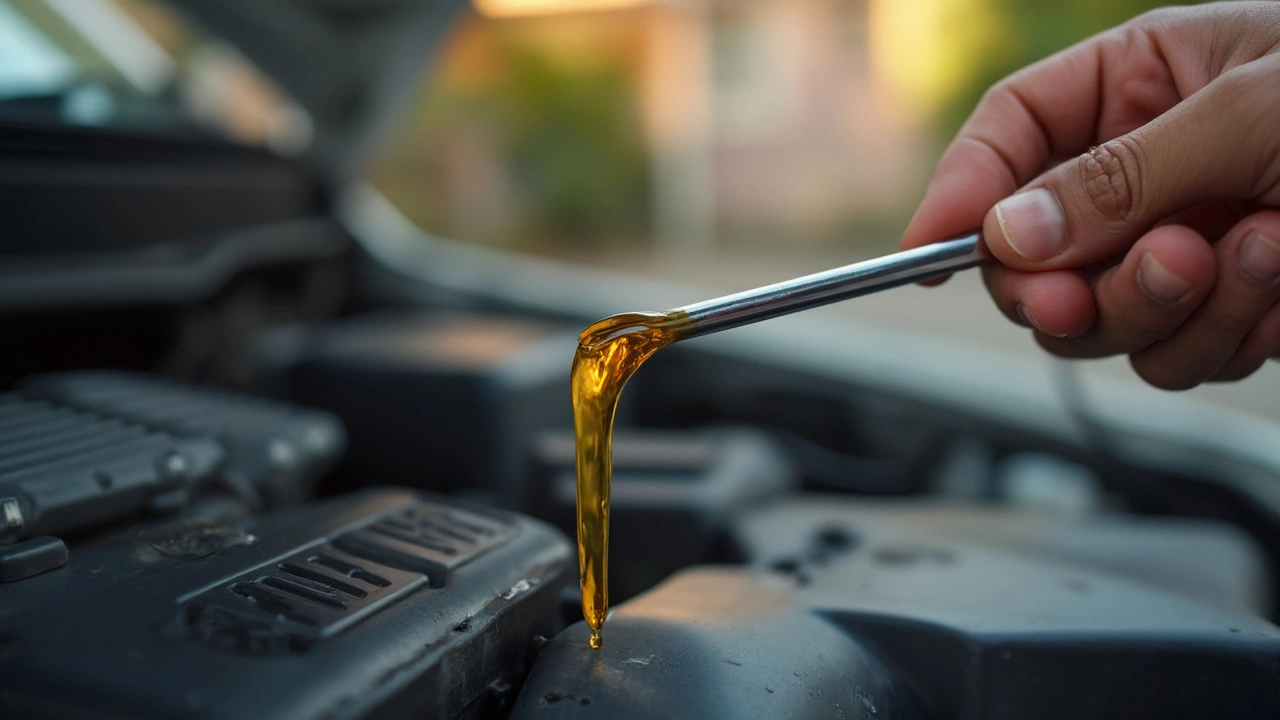
What Color Should Oil Be on a Dipstick? A Quick Guide for Drivers
Engine oil color on your dipstick tells you a lot about your car's health. This guide breaks down what those shades really mean, from golden new oil to dark, used fluid. You'll learn why oil changes color, when you should actually worry, and how to easily check your oil at home. Tips for spotting potential engine issues just by looking at the dipstick make this a must-read for anyone who drives. No jargon—just clear, practical advice.