Oil Specification: What It Means and Why It Matters for Your Car
When you see terms like oil specification, a standardized code that tells you the exact type and performance level of engine oil your car needs. Also known as motor oil rating, it’s not just a suggestion—it’s a requirement built into your engine’s design. Skipping the right oil spec doesn’t just cost you a few bucks at the pump. It can cause sludge buildup, premature wear, and even engine failure. Your car’s manual doesn’t list it randomly. Every number and letter—like API SN, ACEA C3, or 5W-30—has a job to do.
The oil viscosity, how thick or thin the oil flows at different temperatures. Also known as engine oil grade, it determines how well the oil protects your engine when it’s cold and how well it holds up under heat. If you use 10W-40 when your car needs 0W-20, the oil might be too thick to reach critical parts on startup, or too thin to protect under load. Then there’s synthetic oil, a high-performance oil made from chemically engineered molecules that offer better protection and longer life than conventional oil. It’s not just a marketing term. Synthetic oils handle extreme temperatures better, resist breakdown longer, and clean your engine more effectively. But they only work right if they match your car’s oil specification.
What you put in your engine affects everything: fuel economy, emissions, how smoothly it runs, and how long it lasts. A car that needs full synthetic 5W-30 won’t run right on conventional 10W-40, even if it’s labeled "for all cars." That’s why the oil specification matters more than brand name or price. Your engine was built for a specific type of oil. Using anything else is like putting diesel in a gasoline car—slow damage, no warning.
You’ll find posts here that break down what happens when you ignore oil specs, how to read the label on a bottle, why some oils claim to be "compatible" but still aren’t right for your car, and how synthetic oils save money over time—even if they cost more upfront. We’ll also show you how oil type connects to other systems: how the wrong oil can stress your catalytic converter, reduce turbocharger life, or cause timing chain wear. This isn’t theory. These are real fixes, real costs, and real consequences from people who’ve been there.
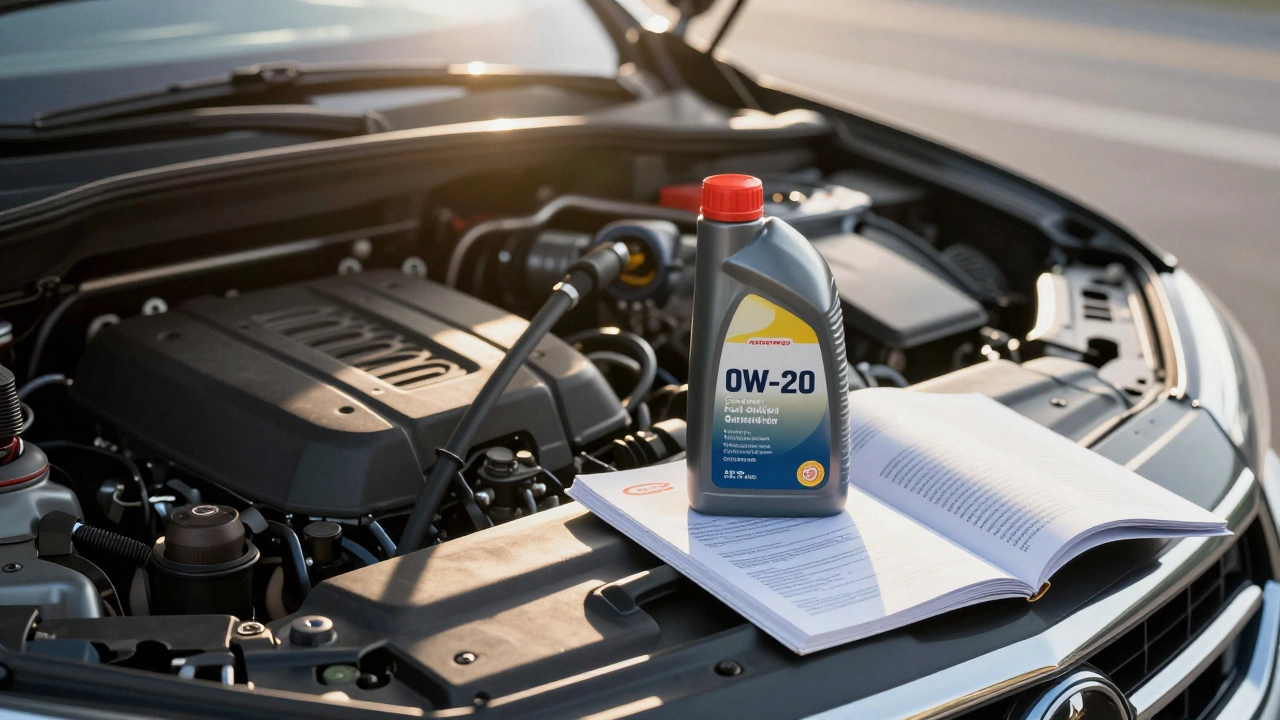
How Do I Know What Engine Oil I Need for My Car?
Learn how to choose the right engine oil for your car by checking your owner’s manual, understanding viscosity ratings, and matching oil type and specifications. Avoid costly engine damage with the correct oil.