Oil Type: What You Need to Know to Protect Your Engine
When you pick oil type, the specific kind of engine oil designed for your vehicle’s needs, including viscosity grade and formulation. Also known as motor oil, it’s the lifeblood of your engine—lubricating moving parts, cooling components, and cleaning out gunk. Skip the guesswork. Using the wrong oil type can cause overheating, increased wear, and even engine failure—no matter how new your car is.
The oil viscosity, a measure of how thick or thin the oil flows at different temperatures is critical. Your car’s manual doesn’t just suggest 5W-30 or 10W-40 for fun. That number tells the oil how to behave when cold and how it holds up under heat. If you live in a cold climate and use 20W-50, your engine struggles to start. If you drive hard in the heat with 0W-20, the oil breaks down too fast. Then there’s synthetic oil, a lab-engineered fluid designed for better performance, longer life, and improved fuel efficiency compared to conventional oil. It’s pricier, yes—but for modern engines, especially turbocharged or high-performance ones, it’s not a luxury, it’s a requirement.
It’s not just about what’s in the bottle. Your driving habits, climate, and engine age all change what oil type works best. If you haul heavy loads, tow trailers, or drive in stop-and-go traffic, you need oil that resists thinning under stress. If your car has over 100,000 miles, a high-mileage formula with seal conditioners can help reduce leaks. And don’t assume all "full synthetic" oils are equal—some are made for European cars, others for American V8s. The wrong one won’t just underperform—it can void your warranty.
You’ll find posts here that dig into what happens when you mix oil types, why some engines burn oil faster than others, and how to decode the numbers on the bottle. You’ll learn how to spot the signs your oil is failing—before your check engine light turns on. Whether you’re changing oil yourself or just trying to understand what your mechanic is recommending, this collection gives you the real facts—not marketing fluff. No jargon. No upsells. Just what you need to keep your engine running longer, smoother, and cheaper.
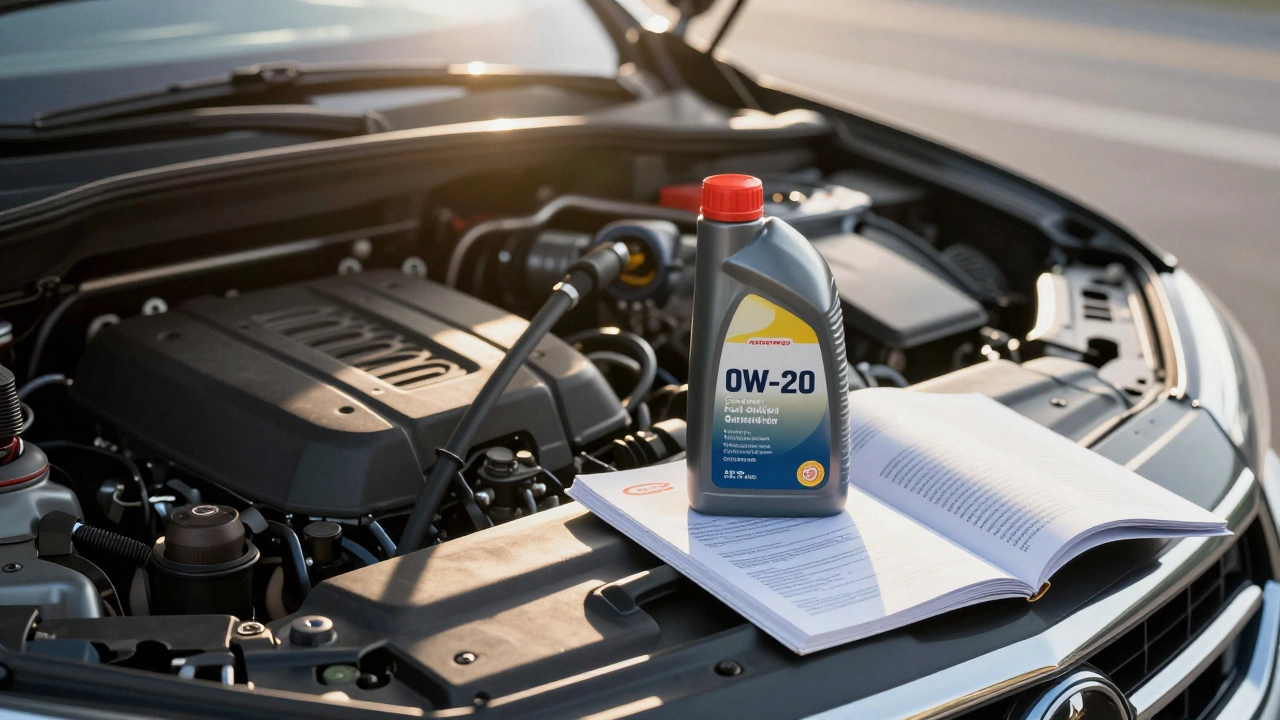
How Do I Know What Engine Oil I Need for My Car?
Learn how to choose the right engine oil for your car by checking your owner’s manual, understanding viscosity ratings, and matching oil type and specifications. Avoid costly engine damage with the correct oil.