Oil Viscosity: What It Means and How It Affects Your Engine
When you see numbers like 5W-30 or 10W-40 on a bottle of motor oil, you’re looking at oil viscosity, a measure of how thick or thin engine oil flows at different temperatures. Also known as oil weight, it determines how well the oil protects your engine under heat, cold, and stress. If the oil is too thick, it won’t flow fast enough to lubricate parts when you start your car. If it’s too thin, it can’t hold up under high heat and pressure, leading to metal-on-metal wear.
Engine oil, the lifeblood of your car’s internal combustion system, needs to work in every condition—from freezing winter mornings to scorching summer highways. The first number before the W (like 5W or 10W) tells you how the oil behaves in cold weather. Lower numbers mean better flow when it’s cold, so your engine starts easier and gets lubricated faster. The second number (like 30 or 40) shows how thick the oil stays when hot. Higher numbers mean better protection under load, like when you’re towing or driving hard.
Oil thickness, often misunderstood as just a number on a bottle, directly affects fuel efficiency, engine life, and even emissions. Using the wrong viscosity can cause your engine to work harder, burn more fuel, or overheat. Many car owners stick with what’s in their manual, but not everyone knows why that recommendation exists. Your driving habits, climate, and engine age all matter. A 20-year-old car with high mileage might need thicker oil to seal worn gaps, while a modern turbocharged engine often demands thinner, high-performance oils to handle extreme heat.
It’s not just about following the manual—it’s about understanding what’s happening inside your engine. Oil viscosity isn’t a one-size-fits-all number. It’s a balance between protection and performance. Too thick, and you lose power and mileage. Too thin, and you risk engine damage. That’s why some drivers switch between 5W-30 in winter and 10W-40 in summer. Others use synthetic oils that maintain consistent viscosity across a wider range, offering better protection without the seasonal swap.
What you find below are real, practical guides from drivers and mechanics who’ve dealt with oil-related problems—overheating engines, noisy lifters, oil leaks, and failed seals. You’ll see how oil viscosity connects to fuel pumps, radiators, and even clutch performance. No theory. No fluff. Just what works when your engine is screaming for the right oil.
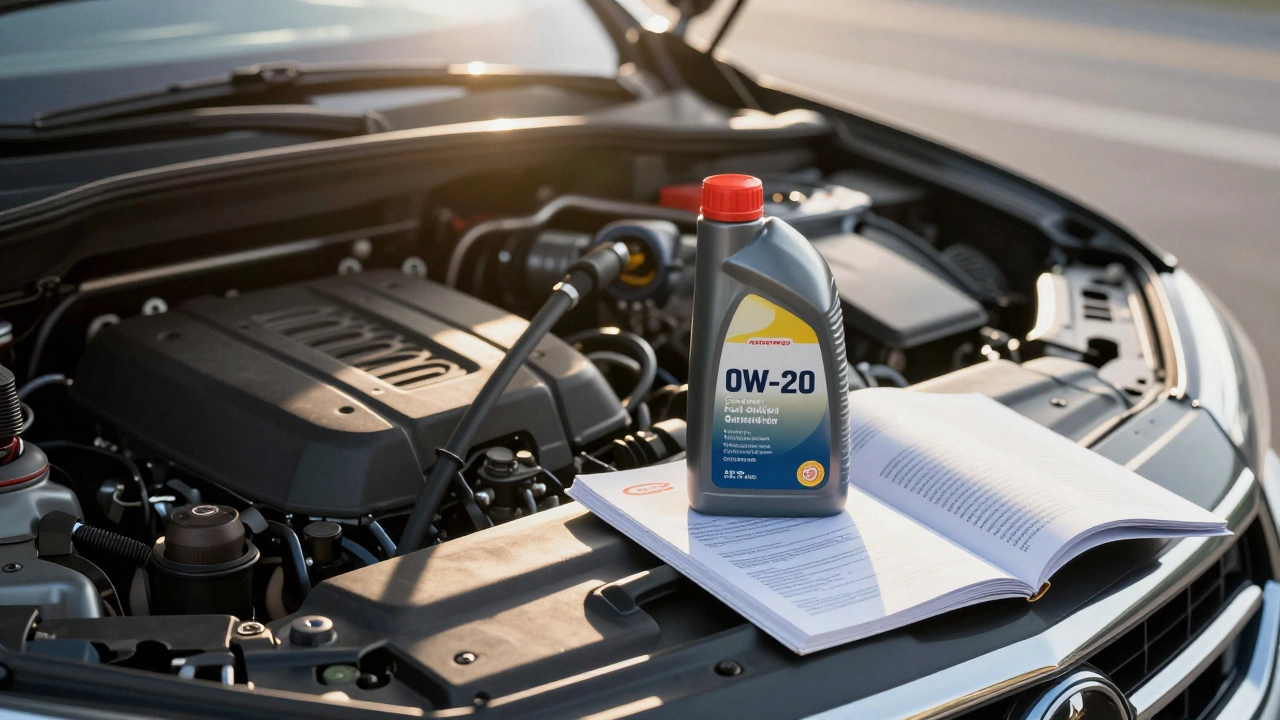
How Do I Know What Engine Oil I Need for My Car?
Learn how to choose the right engine oil for your car by checking your owner’s manual, understanding viscosity ratings, and matching oil type and specifications. Avoid costly engine damage with the correct oil.

Does It Matter What Oil I Add to My Car? The Real Impact of Using the Wrong Engine Oil
Using the wrong engine oil can damage your car's engine, reduce fuel economy, and shorten its life. Learn what oil type, viscosity, and specification your car really needs - and why cutting corners isn't worth the risk.

Will Using 10w30 Instead of 5w30 Harm Your Engine? Full Guide & Real Facts
Wondering what happens if you pour 10w30 instead of 5w30? Learn how oil viscosity affects your engine, what goes wrong, and if your car’s at risk.