Radiator Failure: Signs, Risks, and What to Do Before It Costs You Thousands
When your radiator failure, a breakdown in the cooling system that causes your engine to overheat. Also known as cooling system failure, it’s one of the most common reasons cars suddenly die on the road—and often the most expensive to fix if ignored. It’s not just about steam coming out of the hood. A failing radiator quietly kills your engine over time, and most people don’t realize it until it’s too late.
Behind every radiator failure is a chain of small problems: a tiny radiator leak, a crack or loose hose that lets coolant escape slowly, sludge building up inside the cooling passages, or a worn-out thermostat that won’t open. These aren’t flashy issues, but they’re deadly. Without enough coolant, your engine hits 250°F in minutes. That’s hot enough to warp the cylinder head, blow the head gasket, or even seize the pistons. And once that happens, you’re looking at a $3,000+ repair—not a $300 radiator replacement.
Most drivers wait until the temperature gauge hits red before acting. But by then, the damage is already done. The real warning signs are quieter: coolant puddles under your car, a sweet smell when you open the hood, the heater blowing cold air even when the engine is warm, or the coolant level dropping every week without a visible leak. These aren’t inconveniences—they’re alarms. And they’re the exact issues covered in the posts below. You’ll find real stories from people who ignored these signs, what went wrong, and how they fixed it before total disaster. Whether you’re dealing with a slow leak, a clogged core, or just confused about when to replace your radiator, the guides here give you the facts—no fluff, no upsells, just what works.
There’s no magic trick to preventing radiator failure. It’s about paying attention, checking the basics, and acting early. The posts below show you exactly how to spot trouble before it costs you a new engine, and how to replace a radiator without getting ripped off. You’ll learn what parts actually matter, how much labor should cost, and why some "premium" replacements are just overpriced copies. This isn’t theory—it’s what people actually did when their car started overheating, and how they got back on the road without losing their savings.
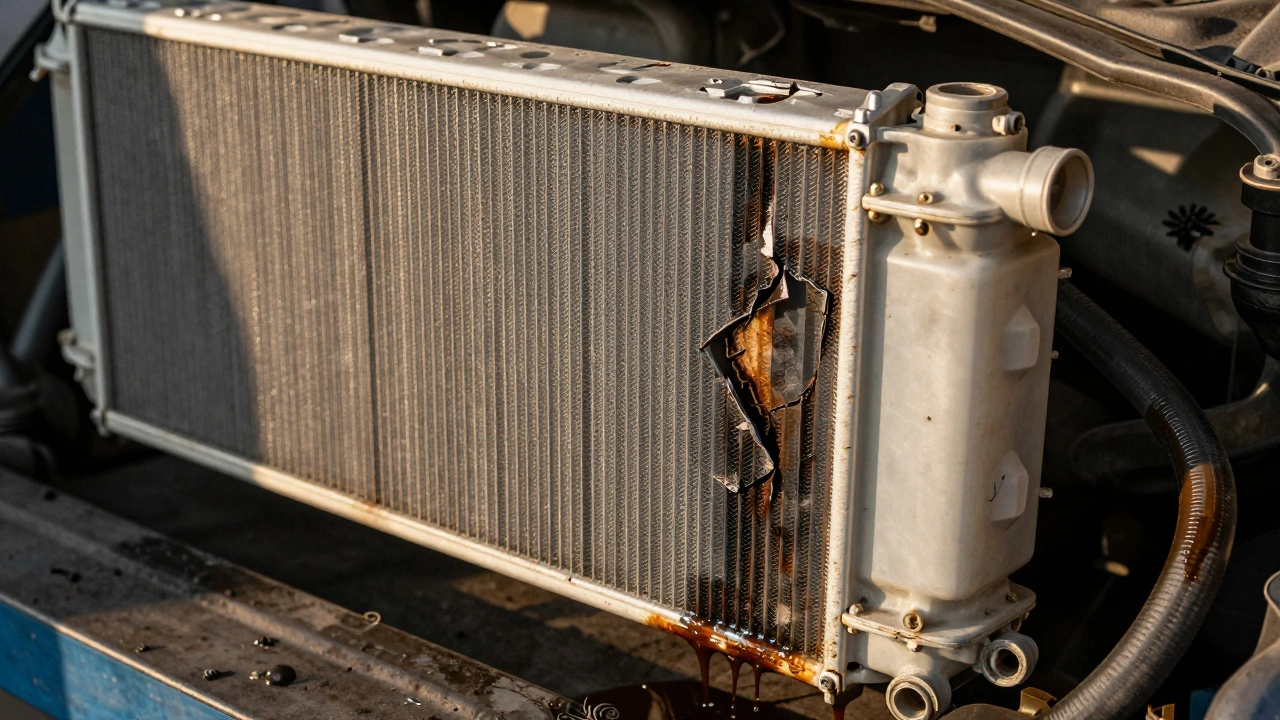
How Often Do Car Radiators Need to Be Replaced?
Car radiators typically last 10-15 years or more with proper coolant maintenance. Signs like constant leaks, discolored fluid, or overheating mean it’s time to replace. Don't wait for failure-maintain your cooling system to avoid costly repairs.
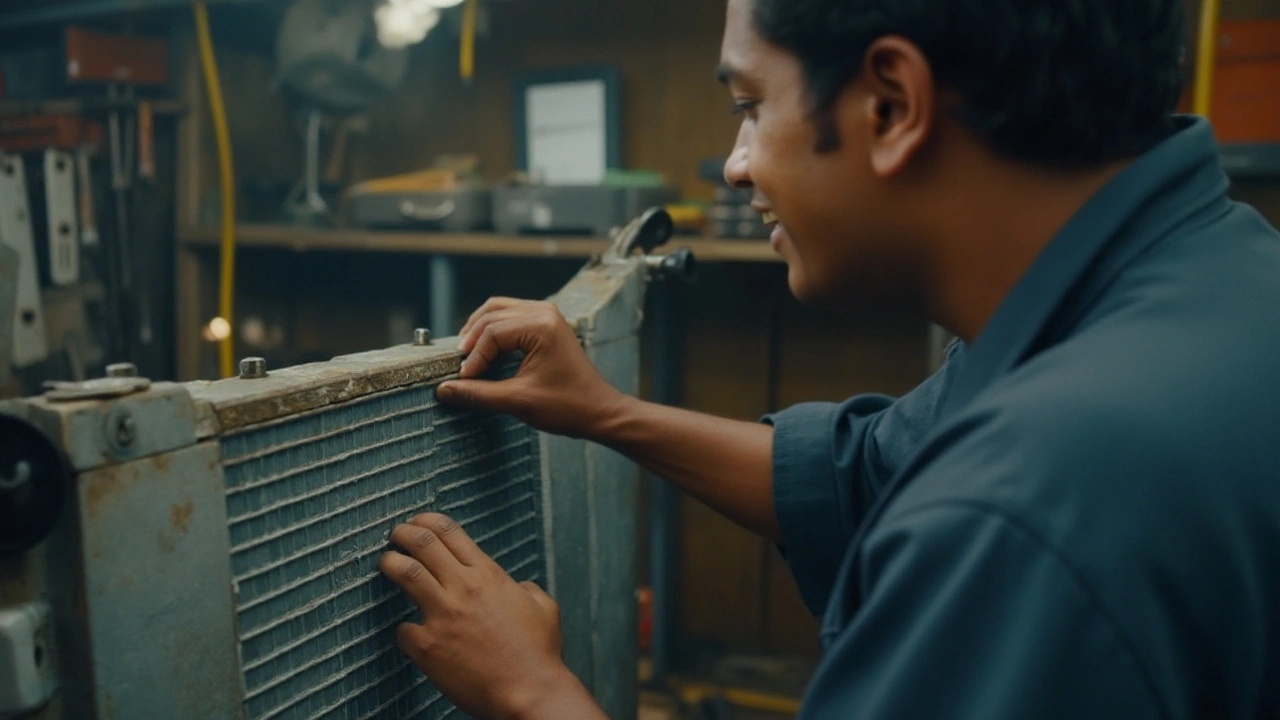
Can a Car Operate Safely with a Damaged Radiator?
A car's radiator plays an essential role in regulating engine temperature by ensuring the cooling system operates efficiently. While you might be tempted to drive with a malfunctioning radiator, it could lead to serious consequences including engine overheating and costly repairs. This article explores the risks associated with a failing radiator, tells you how to identify problems early, and provides useful tips for managing and maintaining your vehicle’s cooling system effectively.