Replace Clutch Kit: When, Why, and How to Do It Right
When you hear a grinding noise when shifting, or your car won’t go into gear even with the pedal pressed all the way down, you’re probably dealing with a failing clutch kit, a set of components that connects your engine to the transmission and lets you change gears smoothly. Also known as a clutch assembly, this part doesn’t last forever—especially if you ride the pedal or frequently drive in heavy traffic. Most clutch kits last between 50,000 and 150,000 miles, but aggressive driving can cut that in half. The real question isn’t whether you need to replace it—it’s whether you’re waiting too long.
Replacing a clutch kit isn’t just about swapping out the friction disc. A full kit includes the pressure plate, release bearing, and sometimes the pilot bearing. And here’s the catch: if your flywheel, a heavy metal disc that smooths engine power delivery and connects to the clutch is cracked, warped, or worn, you can’t just slap a new clutch on top. A bad flywheel will destroy a new clutch kit in weeks. That’s why most professionals recommend resurfacing or replacing the flywheel at the same time. It’s an extra cost upfront, but it saves you from doing the whole job again in six months.
Clutch failure doesn’t happen overnight. It starts with small signs: a spongy pedal, slipping gears under load, or a burning smell after stop-and-go driving. If you’ve noticed any of these, don’t ignore them. A worn clutch might still work for a few more weeks, but it’s like driving with bald tires—you’re one hill away from being stranded. And if you wait until it dies completely, you could end up damaging the transmission, which costs ten times more to fix.
Some people think clutch replacement is a job for the shop only. But with the right tools and a little patience, it’s doable at home. You’ll need a jack, torque wrench, clutch alignment tool, and a few hours of time. The hardest part isn’t the mechanical work—it’s getting the transmission off and back on without damaging the input shaft. If you’re unsure, watch a few videos specific to your car model. Every make and model handles this differently.
And don’t forget to check your clutch fluid, the hydraulic fluid that operates the clutch release mechanism in cars with hydraulic clutches. Low or dirty fluid can mimic clutch failure. Bleeding the system might solve the issue without replacing anything. It’s a free check you should always do before spending hundreds on parts.
Whether you drive a daily commuter or a weekend racer, the clutch is one of the most abused parts in your car. Heavy traffic, hill starts, and quick launches all eat away at its life. The key is catching the warning signs early and acting before the damage spreads. The posts below cover everything from how to tell if your clutch is done, to what’s inside a typical clutch kit, to why some flywheels fail sooner than others. You’ll find real-world advice from people who’ve been there—no guesswork, no fluff, just what works.
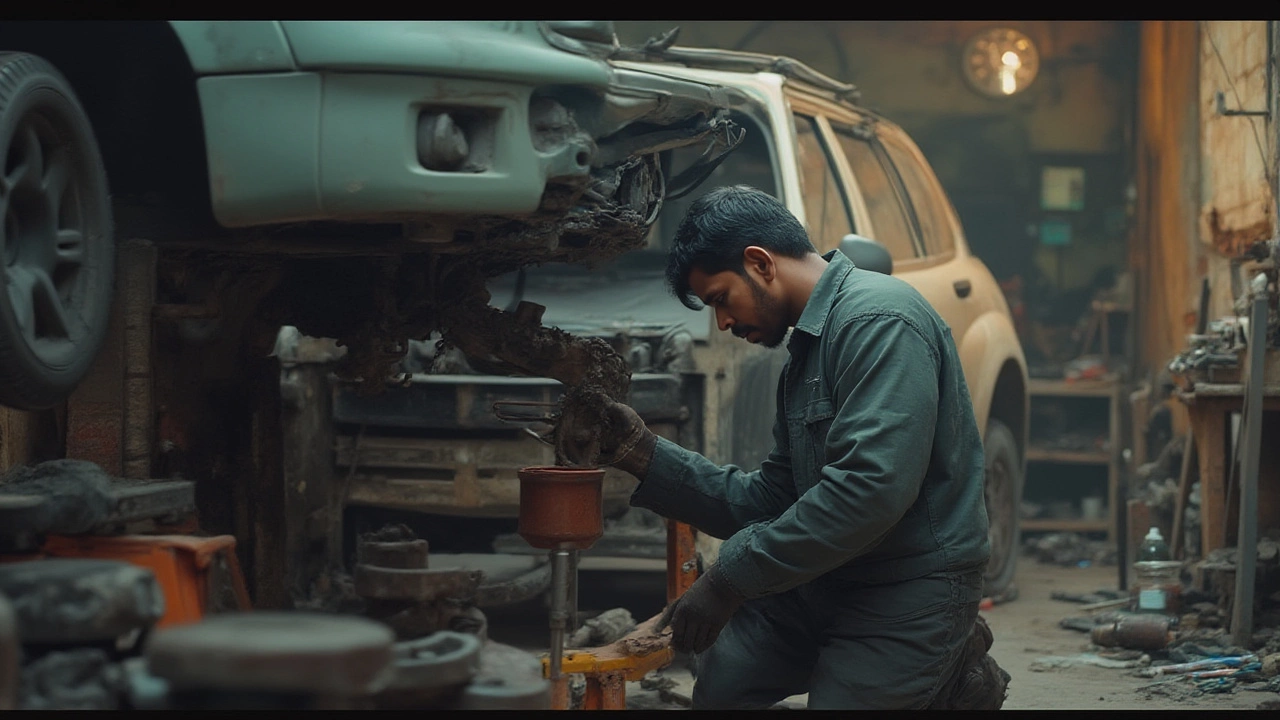
How Long Does It Take to Replace a Clutch Kit? Full Guide and Timing Tips
Wondering how many hours to replace a clutch kit? Get a down-to-earth guide on clutch replacement timing, process, surprises in labor, and tips to save time and cash.