Shock Absorbers: What They Do, When They Fail, and How to Fix Them
When your car bounces too much over bumps or feels loose around corners, the problem isn’t usually the tires—it’s the shock absorbers, devices that control spring movement and keep tires in contact with the road. Also known as dampers, they’re not just comfort parts—they’re safety parts. Without them, your car doesn’t just ride poorly; it becomes harder to steer, brake, or avoid hazards. A worn shock absorber can double your stopping distance on wet roads, and that’s not something you can afford to ignore.
Shock absorbers work with the suspension system, the network of springs, struts, and links that connect your wheels to the chassis. They don’t carry weight—that’s the springs’ job—but they control how fast the springs move up and down. If the shocks fail, the springs bounce uncontrollably, making your car feel floaty or jittery. You’ll notice it in the way the front dips when you brake, or how the rear wobbles over speed bumps. These aren’t just annoyances—they’re signs your suspension system, the critical link between your car and the road surface is breaking down.
Most people don’t check their shocks until something goes wrong. But the signs are quiet at first: a slight vibration in the steering wheel, more body roll in turns, or tires wearing unevenly. You might hear clunks when going over bumps—that’s often worn bushings or ball joints, but it’s usually linked to failing shocks. If your car feels like it’s skipping over small bumps instead of rolling over them, it’s time to look. And if you notice oil leaking from the shock body? That’s the end of the line. Shocks don’t just wear out—they fail, and when they do, they put stress on every other part of the suspension.
Replacing shocks isn’t always expensive, but waiting too long makes it cost more. Worn shocks wear out tires faster, damage struts, and can even cause alignment issues. Some cars use separate shocks and struts; others combine them into one unit. Knowing which your car has matters for cost and repair time. You don’t need to replace all four at once, but if one is bad, the others aren’t far behind. Most last between 50,000 and 100,000 miles, but if you drive on rough roads, carry heavy loads, or tow often, they’ll go sooner.
What you’ll find below are real-world guides from people who’ve been there. How to tell if your shocks are dead. What those strange noises really mean. When to skip the cheap ones and when it’s okay to save a few bucks. You’ll see how bad suspension affects braking, how to test shocks yourself without tools, and why replacing them isn’t just about comfort—it’s about control. These aren’t theory articles. These are fixes people have done in their driveways, with basic tools, and lived to tell about it.
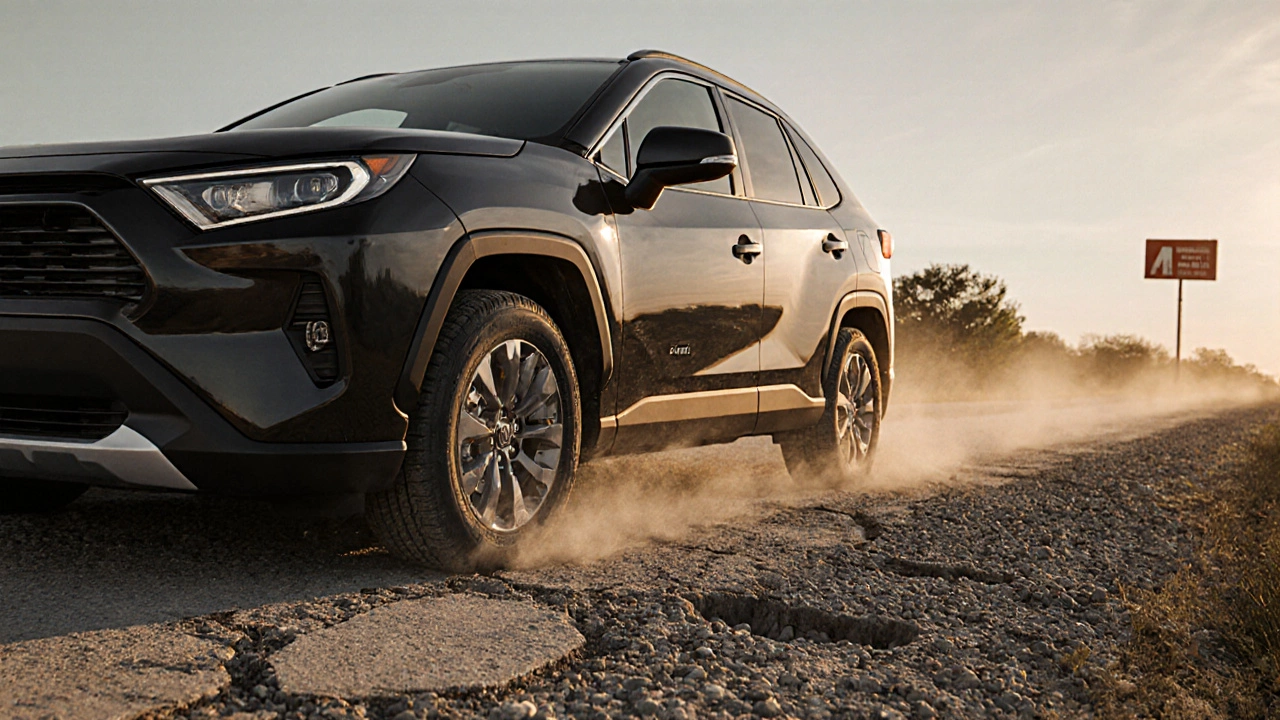
What Is the Best Suspension for Bumpy Roads? Top Picks for Comfort and Control
Discover the best suspension upgrades for bumpy roads-coils, shocks, and air systems that actually improve comfort and control on rough terrain without breaking the bank.