Slipping Clutch: Signs, Causes, and What to Do Next
When your slipping clutch, a condition where the clutch fails to fully engage, causing engine revs without corresponding acceleration. Also known as clutch slippage, it’s one of the most common transmission issues in manual cars—and it gets worse fast if ignored. You’ll notice it when you press the gas and the engine screams but the car doesn’t move like it should. It’s not just annoying—it’s dangerous. If your clutch slips while merging onto a highway or climbing a hill, you could lose control.
The clutch, the component that connects your engine to the transmission and lets you shift gears smoothly wears out over time, but driving habits speed it up. Riding the clutch pedal, frequent stop-and-go traffic, and hauling heavy loads all eat away at the friction material. A typical clutch, a mechanical assembly made of pressure plate, disc, and release bearing lasts between 80,000 and 120,000 miles, but if you’re aggressive with the pedal or drive a high-torque vehicle, it might go much sooner. The flywheel, the heavy metal disc that connects to the engine crankshaft and works with the clutch to transfer power can also be the culprit—if it’s warped or worn, the clutch won’t grip properly, even if the disc is new.
Don’t wait until the clutch fails completely. Early signs include a burning smell, gear slippage under load, a spongy or higher-than-usual clutch pedal, and difficulty shifting. If your car revs up but crawls forward, especially uphill or when towing, that’s your clutch telling you it’s done. Replacing it isn’t cheap—it often costs $800 to $1,500 because it’s labor-heavy—but skipping it will cost you more. A failing clutch can damage the transmission, the flywheel, or even the engine mounts. You don’t need to be a mechanic to spot these signs. Just pay attention when you drive.
Some of the posts below walk you through how to test your clutch at home, what tools you need to replace it, and how to tell if you’re looking at a simple fix or a full rebuild. Others compare clutch kits, explain why some drivers wear out clutches in 40,000 miles while others get 180,000, and show you how to avoid the same mistakes. Whether you’re trying to save money on a repair or just want to understand why your car feels off, you’ll find real answers here—no theory, no guesswork, just what works.

How Do I Know If I Need a New Clutch Kit? 7 Clear Signs Your Clutch Is Failing
Learn the 7 clear signs your clutch kit is failing - slipping, grinding, strange smells, and more. Don’t wait until your car won’t move. Fix it before it costs you thousands.

Slipping Clutch Symptoms — How It Feels & What To Do
Ever wonder what a slipping clutch feels like? Here’s how to spot the signs, why it happens, and what you should do if your clutch starts slipping.
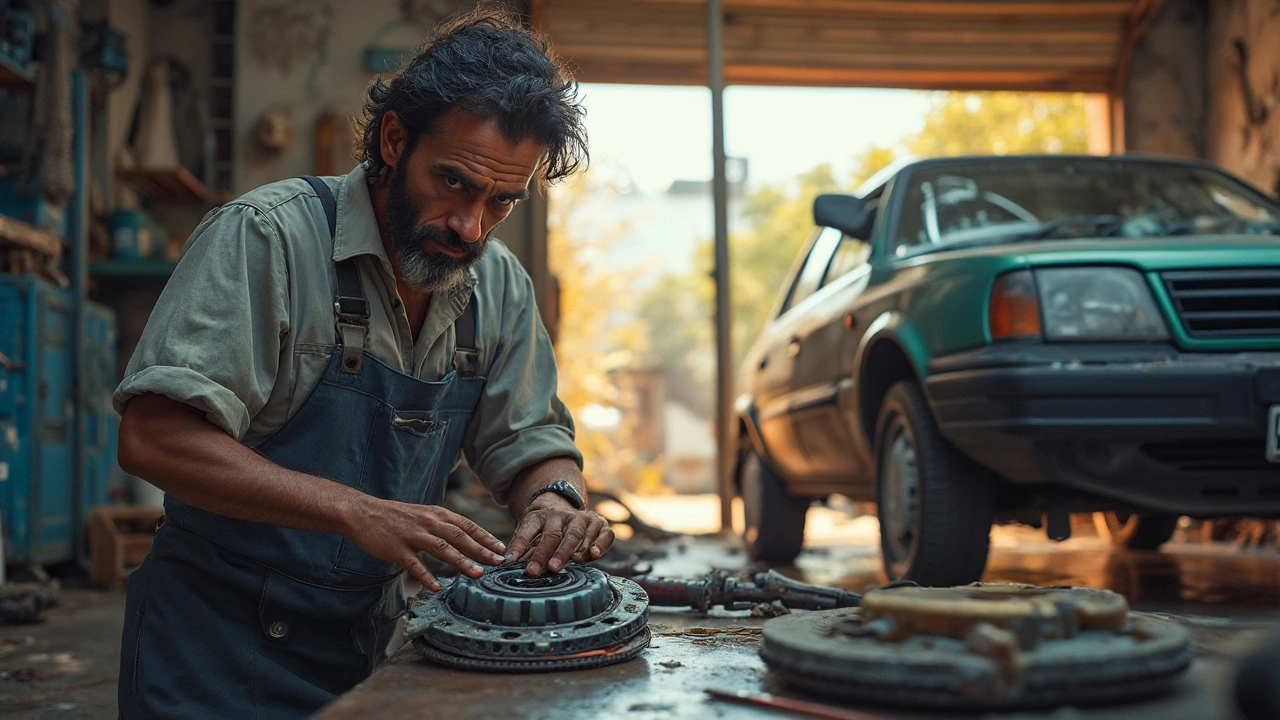
Slipping Clutch: Is It an Easy Fix or a Bigger Problem?
A slipping clutch can be a real headache, but how tough is it to fix? This article cuts through the confusion and explains what causes clutch slip, how hard it is to fix, and whether a DIY approach makes sense. You'll get the true costs, time estimates, and tips for deciding if you need a new clutch kit or a simple adjustment. No fluff, just what you need to keep your ride running smooth.