Suspension Parts: What They Do, When They Wear Out, and How to Fix Them
When you hit a bump and your car doesn’t jump like a pogo stick, you’ve got good suspension parts, the system of springs, shocks, and links that connect your wheels to the frame and absorb road impacts. Also known as ride control system, these parts keep your tires on the ground, your steering responsive, and your passengers from getting tossed around. Without them, even a small pothole could send you into a spin—or worse, damage your wheels, steering, or frame.
Most people don’t think about suspension parts until they start making noise. That clunk when you go over a speed bump? That’s a worn control arm bushing or a broken shock absorber. The squeak when you turn? Could be a dry ball joint. And if your car leans too much in corners or bounces like a basketball after a bump, your shock absorbers, devices that control spring movement and prevent endless bouncing are likely worn out. These aren’t just comfort issues—they’re safety risks. Bad suspension means longer stopping distances, poor handling in rain or wind, and tires wearing unevenly, which costs you money over time.
It’s not just the shocks. coil springs, the heavy metal coils that hold up the car’s weight and let the wheels move up and down can sag with age, especially if you haul heavy loads or drive on rough roads. And don’t forget the sway bars, struts, and bushings—they all wear down. Most cars need suspension work between 50,000 and 100,000 miles, but aggressive driving or bad roads can cut that in half. If you’re hearing noises, feeling instability, or noticing uneven tire wear, it’s not time to wait. It’s time to check.
The posts below cover exactly what you need to know. You’ll find real-world advice on spotting bad suspension sounds, choosing upgrades for bumpy roads, and knowing when to replace parts before they turn into expensive repairs. No fluff. No theory. Just what works on the road today.
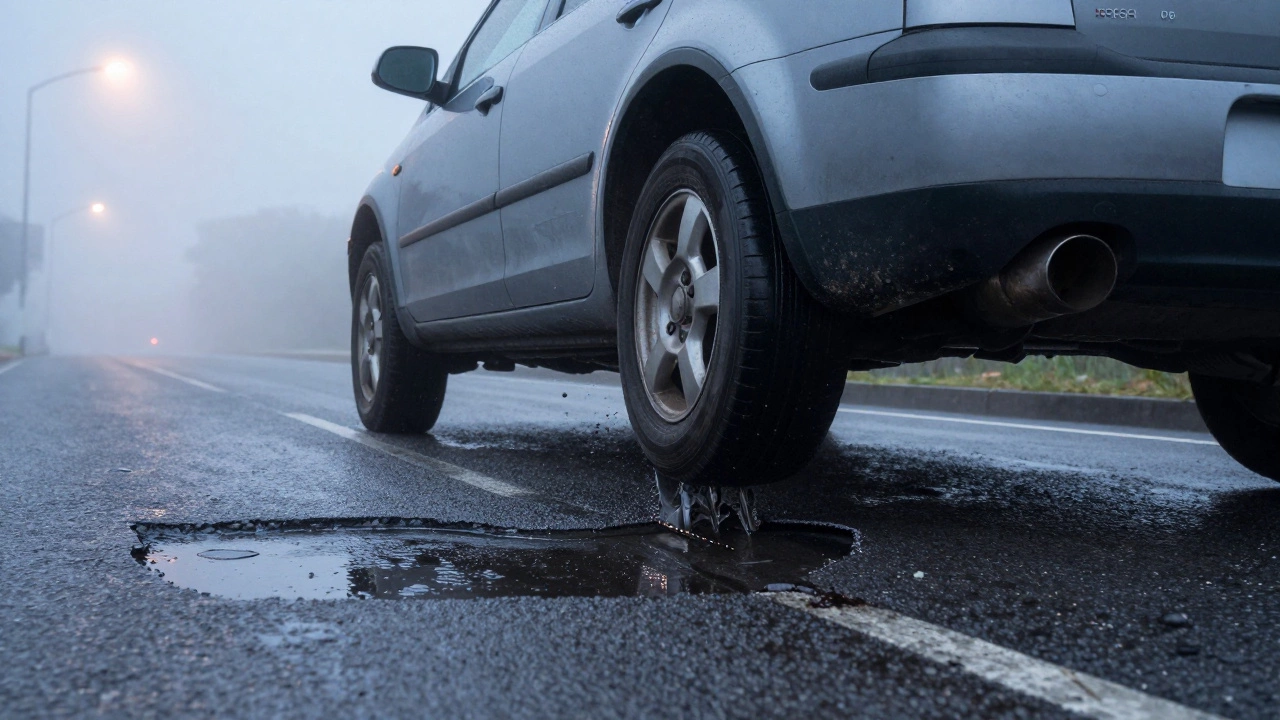
Is It Safe to Drive with Worn Suspension? What You Need to Know
Driving with worn suspension is dangerous and can lead to longer stopping distances, poor handling, and costly damage. Learn the signs, risks, and what to do before it’s too late.
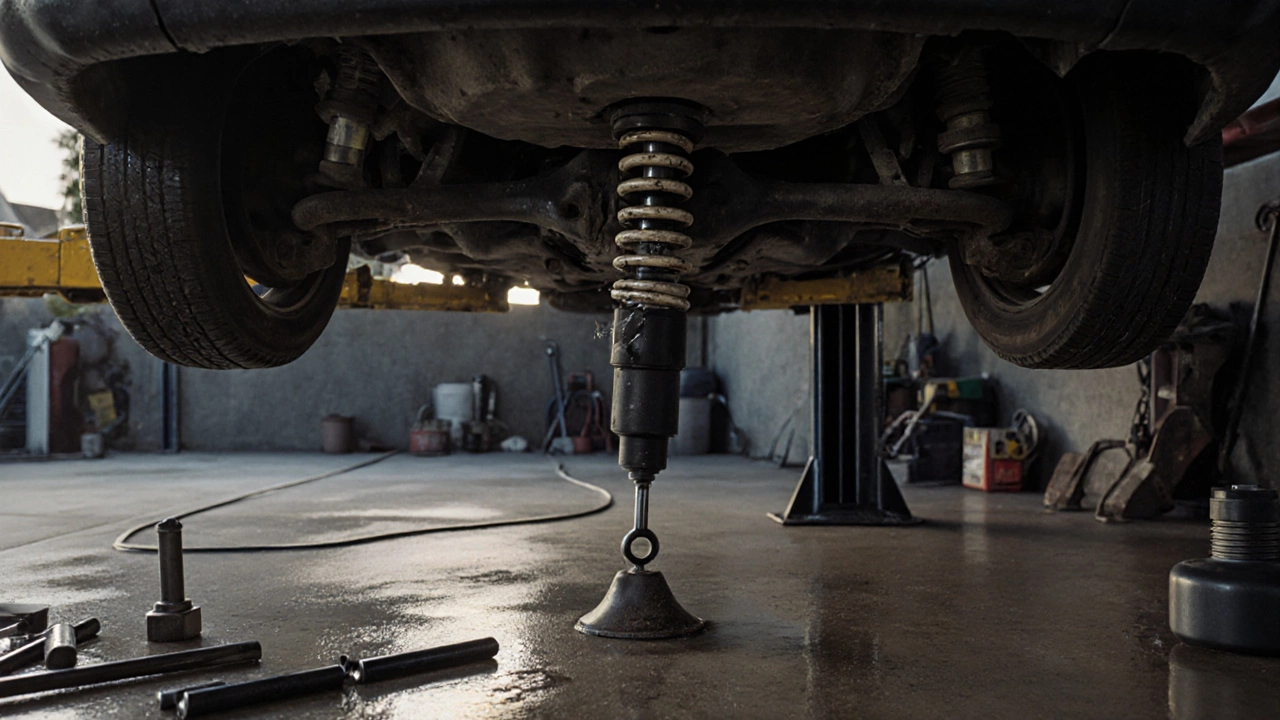
How to Fix a Bad Suspension: Diagnose and Repair Common Issues
Learn how to diagnose and fix a bad suspension with step-by-step guidance on shocks, struts, bushings, and ball joints. Save money and stay safe by addressing wear before it turns dangerous.

How to Soften Your Car's Suspension
Looking for a smoother ride? Let's break down the steps you can take to soften your car's suspension. From understanding the shocks and springs to exploring adjustable dampers, there's a bunch of ways to make driving feels like floating on a cloud. Whether you're a DIY enthusiast or thinking of a visit to the mechanic, this guide is your ticket to a more cushioned drive.