Suspension Testing: How to Diagnose Wear and Save on Repairs
When you drive over a bump and your car feels loose, bouncy, or like it’s floating, that’s not normal—it’s a sign your suspension testing, the process of checking car suspension components for wear, damage, or failure. Also known as suspension inspection, it’s the first step to stopping dangerous handling before it leaves you stranded. Most people ignore these signs until the car pulls to one side or the tires wear unevenly. But by then, you’re already paying more for repairs—and risking your safety.
Suspension testing isn’t just about checking shocks and struts. It includes looking at ball joints, the pivot points that connect control arms to steering knuckles. Also known as steering joints, they’re the first to wear out on rough roads. Then there’s control arms, metal links that hold the wheels in place and let them move up and down. Also known as A-arms, they’re often overlooked until they crack or the bushings turn to dust. And don’t forget sway bars, the thick rods that reduce body roll during turns. Also known as stabilizer bars, they keep your car planted when cornering. All of these parts connect to your shock absorbers, the components that control spring movement and stop bouncing. Also known as dampers, they’re the most common part to fail—and the easiest to miss.
You don’t need a lift or fancy tools to do basic suspension testing. Try the bounce test: push down hard on each corner of your car. If it bounces more than once, your shocks are worn. Listen for clunks when going over speed bumps—that’s usually bad bushings or loose ball joints. Feel for uneven tire wear on the inside or outside edges—that’s a sign your alignment is off because the suspension can’t hold the wheel straight. These aren’t guesswork signs—they’re real, repeatable clues that mechanics see every day.
Most people wait until their car feels unsafe to act. But suspension problems don’t show up overnight. They creep in slowly—first a slight wobble, then a noise you ignore, then a steering pull you learn to compensate for. By the time you get to a shop, you’ve often worn out tires, damaged struts, and stressed other parts. Good suspension testing catches this early. It’s not about replacing everything—it’s about finding the one broken piece before it breaks the rest.
What you’ll find in the posts below are real-world guides from people who’ve been there. From how to tell if your shocks are dead by just driving, to what a bad control arm sounds like at 60 mph, to why replacing just one strut can make your car handle worse. You’ll see what actually works, what’s a waste of money, and how to avoid being upsold. No fluff. No jargon. Just what you need to know to test your own suspension—and fix it right.
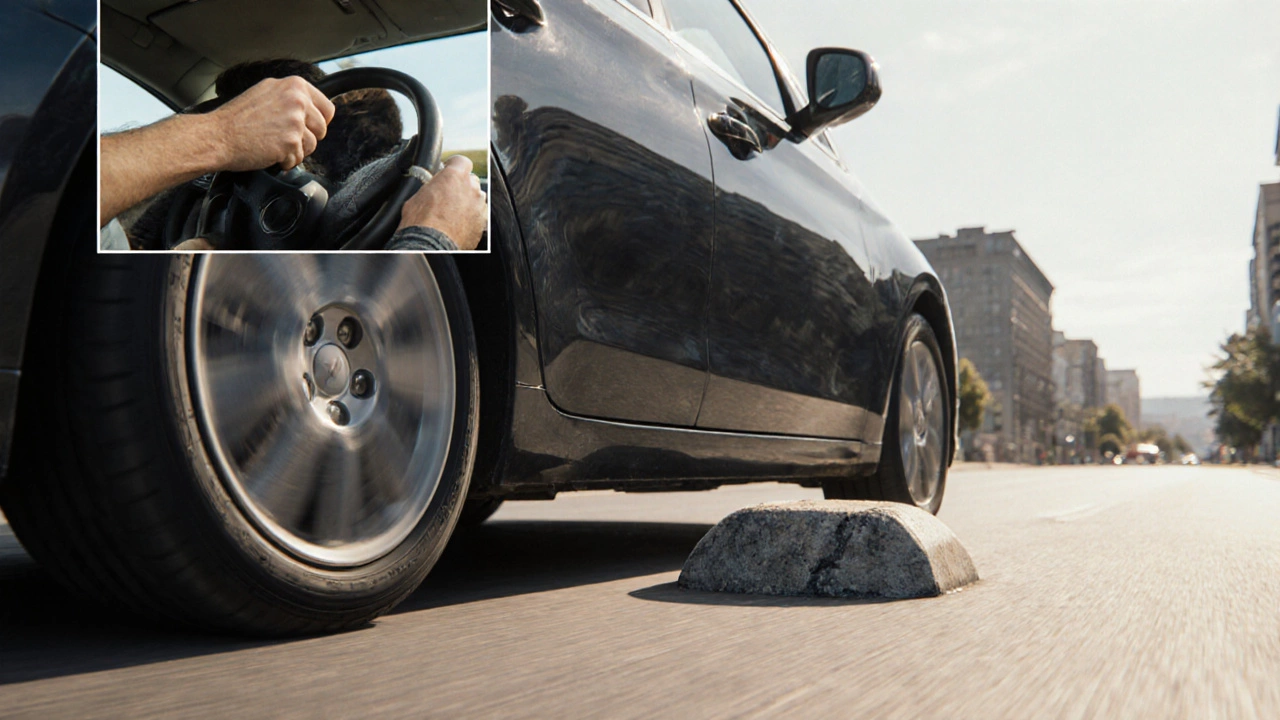
How to Test Your Car Suspension: Simple DIY Methods
Learn simple DIY methods to test your car suspension, spot problems early, and know when to seek professional help.