Test Car Suspension: Diagnose, Repair, and Upgrade Your Ride
When you drive over a bump and your car feels like it’s bouncing off the road, you’re not just dealing with a rough ride—you’re dealing with a failing suspension system, the network of parts that connects your wheels to the chassis and absorbs shocks to keep you stable and safe. Also known as vehicle suspension, it includes shocks, struts, springs, bushings, and ball joints—all working together to control how your car handles bumps, turns, and braking. A worn suspension doesn’t just make your ride uncomfortable. It makes your tires wear out faster, your brakes less effective, and your steering less precise. If you’ve noticed your car leaning in corners, or if it feels like it’s floating over small road imperfections, your suspension is asking for help.
Testing your suspension isn’t rocket science. Start with the bounce test: push down hard on each corner of your car and let go. If it bounces more than once or twice, your shocks or struts are worn out. Listen for clunks or rattles when you hit bumps—those are signs of loose ball joints or broken control arm bushings. Uneven tire wear, especially on the inside or outside edges, is another red flag. You don’t need fancy tools to spot these issues, just your eyes, ears, and a little curiosity. The shock absorbers, components that dampen spring movement to prevent bouncing and maintain tire contact with the road are often the first to go. Most last 50,000 to 100,000 miles, but rough roads or heavy loads can cut that in half. And don’t ignore the struts, combined shock and spring units that also support the car’s weight and affect alignment. They’re not just dampeners—they’re structural. Skip replacing them and you risk misaligned wheels, poor steering response, and even safety hazards.
Fixing a bad suspension doesn’t always mean a full rebuild. Sometimes it’s just one worn bushing or a single leaking shock. But if you’re hearing noises, feeling instability, or seeing tire wear patterns, don’t wait. A failing suspension affects everything—braking distance, cornering grip, even how your car responds in an emergency. The good news? You can often fix it yourself with basic tools and a little patience. Many of the guides below walk you through diagnosing clunks, replacing shocks, and checking ball joints step by step. Whether you’re driving on city potholes, mountain roads, or off-road trails, knowing how your suspension works and when to fix it saves money, time, and maybe even your safety.
Below, you’ll find real-world guides from drivers who’ve been there—how to test your suspension without a shop, what noises mean, which parts wear out fastest, and how to upgrade for better comfort or control. No fluff. No theory. Just what works.
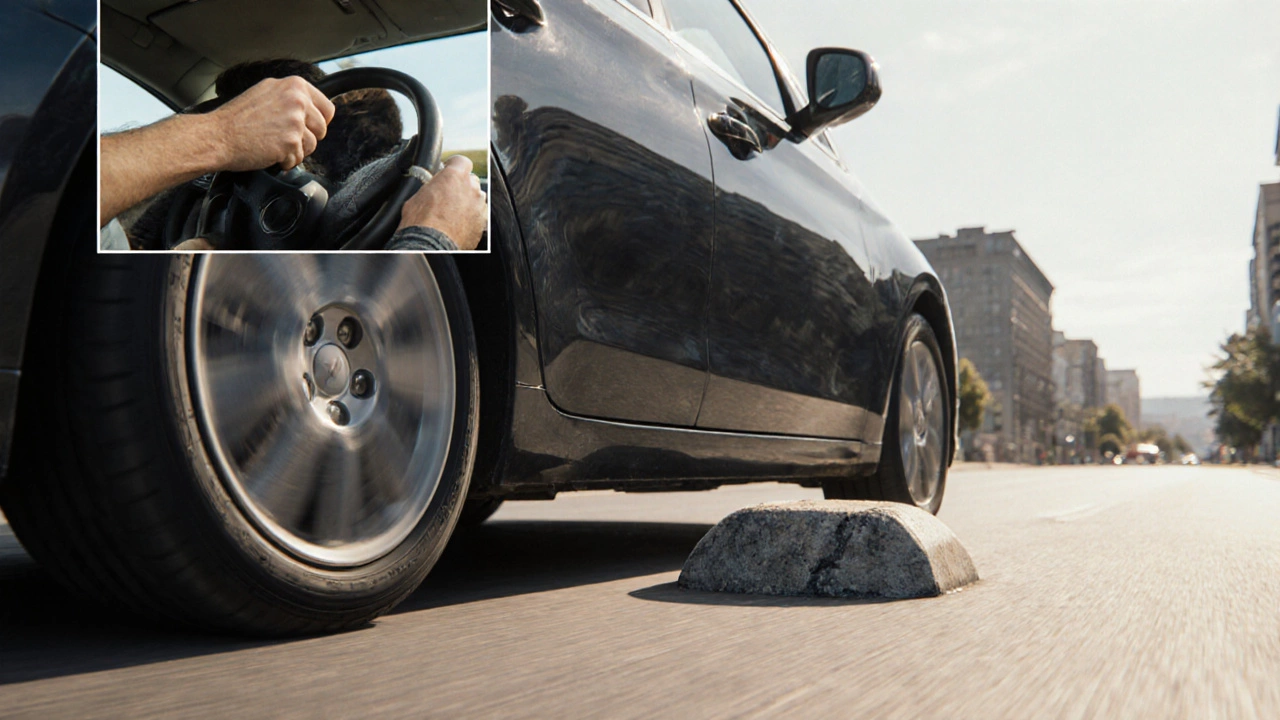
How to Test Your Car Suspension: Simple DIY Methods
Learn simple DIY methods to test your car suspension, spot problems early, and know when to seek professional help.