Vehicle Suspension Test: How to Diagnose Wear and Fix Common Problems
When you drive over a bump and your car feels loose, bouncy, or pulls to one side, it’s not just an annoyance—it’s a sign your vehicle suspension test, the process of checking shocks, struts, bushings, and other components for wear or damage. Also known as suspension inspection, it’s one of the most overlooked but critical checks for safety and control. A failing suspension doesn’t just make your ride uncomfortable. It affects braking distance, tire wear, and your ability to steer in emergencies.
Most people wait until they hear a loud clunk, a sharp, metallic noise when going over bumps or turning. Also known as suspension noise, it often means a worn ball joint or control arm bushing is failing. Or they notice their car dipping forward when braking—this is called nose dive, a sign that shock absorbers can’t control the weight transfer during stops. Also known as brake dive, it’s a clear indicator your shocks are worn out. These aren’t just symptoms. They’re warnings. Ignoring them leads to uneven tire wear, damaged steering parts, and even loss of control on wet roads.
You don’t need a shop to do a basic vehicle suspension test. Jack up each corner of your car, grab the tire at the top and bottom, and try to rock it. If there’s play, your wheel bearings or control arm bushings are worn. Look for oil leaks on the shocks—any wetness means they’re leaking fluid and losing damping power. Check your tires: if you see cupping (scalloped wear patterns), your suspension isn’t keeping the tire flat on the road. These are simple checks anyone can do in 15 minutes.
The posts below cover everything from the sounds a bad suspension makes, to step-by-step guides on replacing shocks and struts, to how to tell if your bushings are done. You’ll find real-world advice on what parts fail most often, how much they cost, and whether you can fix them yourself. No fluff. No guesswork. Just clear, practical steps to get your car handling like it should—before it turns into a safety risk.
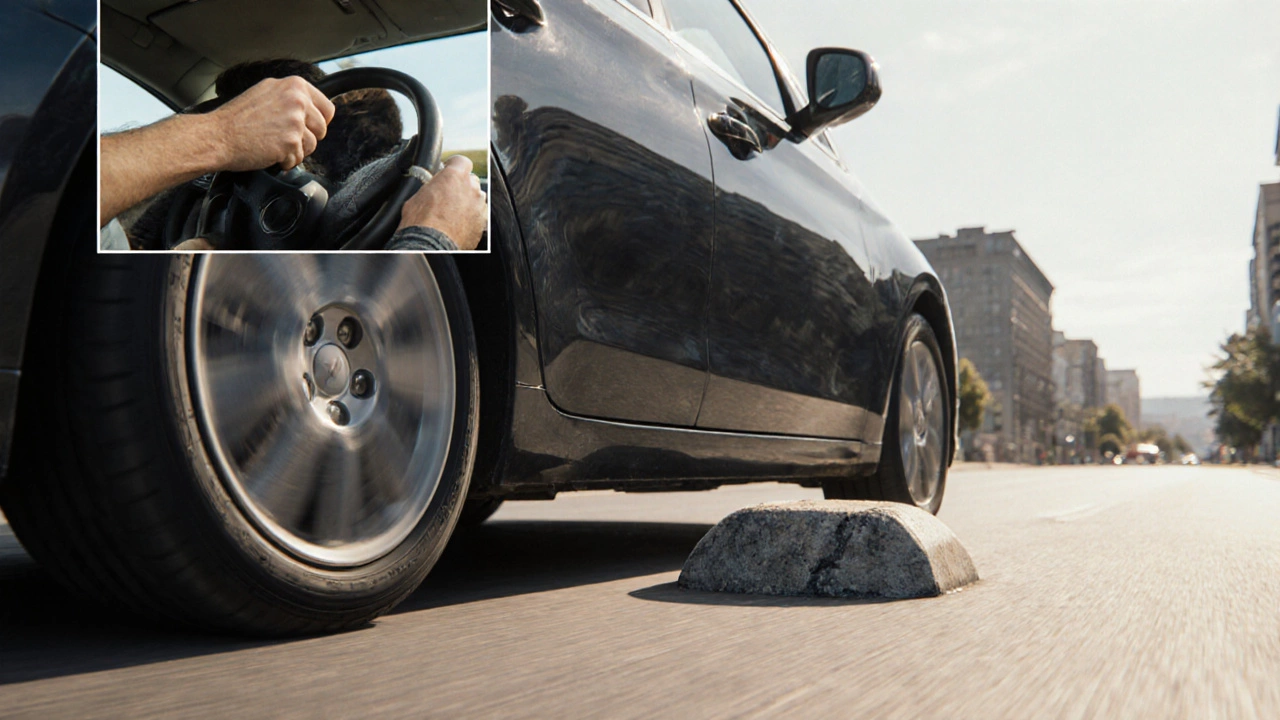
How to Test Your Car Suspension: Simple DIY Methods
Learn simple DIY methods to test your car suspension, spot problems early, and know when to seek professional help.