Windscreen Wipers: What You Need to Know for Clear Vision and Safety
When it comes to driving safety, few things matter as much as a clear view—and that’s where windscreen wipers, the mechanical arms that sweep water, dirt, and snow off your windshield. Also known as windshield wipers, they’re one of the most overlooked parts in your car, yet they’re the first line of defense when visibility drops. If they’re cracked, streaking, or skipping, you’re not just dealing with an annoyance—you’re risking your life in heavy rain or sudden downpours.
Most people don’t think about their wiper blades, the rubber strips that actually touch the glass until they start smearing. But these blades wear out fast—usually every 6 to 12 months—depending on sun exposure, temperature swings, and how often you use them. And it’s not just the rubber that fails. The wiper arms, the metal parts that press the blades against the windshield can bend, rust, or lose tension, making even new blades useless. A loose arm means uneven pressure, which leads to streaks, noise, and blind spots.
You don’t need a garage or special tools to fix this. Replacing wipers is one of the easiest car maintenance tasks you can do in under 10 minutes, and it saves you from costly accidents. Many cars use universal blade designs, so you can find the right fit without guessing. Some even have quick-click systems that snap on without clips or pins. But knowing your car’s make and model helps you avoid the wrong size—because a blade that’s too short won’t clear the whole glass, and one that’s too long can hit the hood or mirror.
And it’s not just about rain. Dust, pollen, bird droppings, and road grime build up fast. If you live in a sunny area, UV rays dry out the rubber, making it brittle. Cold winters freeze the blades to the glass, and forcing them on can tear the rubber or snap the arm. That’s why checking them every few months is smarter than waiting for the first streak.
What you’ll find below are real, no-fluff guides on how to replace your windscreen wipers without overpaying, how to spot the early signs they’re failing, and why some brands last longer than others. You’ll also see what happens when you ignore them—not just the streaks, but the hidden risks of driving with poor visibility. These aren’t theory pieces. They’re step-by-step fixes from people who’ve been there, done it, and didn’t get rear-ended because their wipers gave out in a storm.
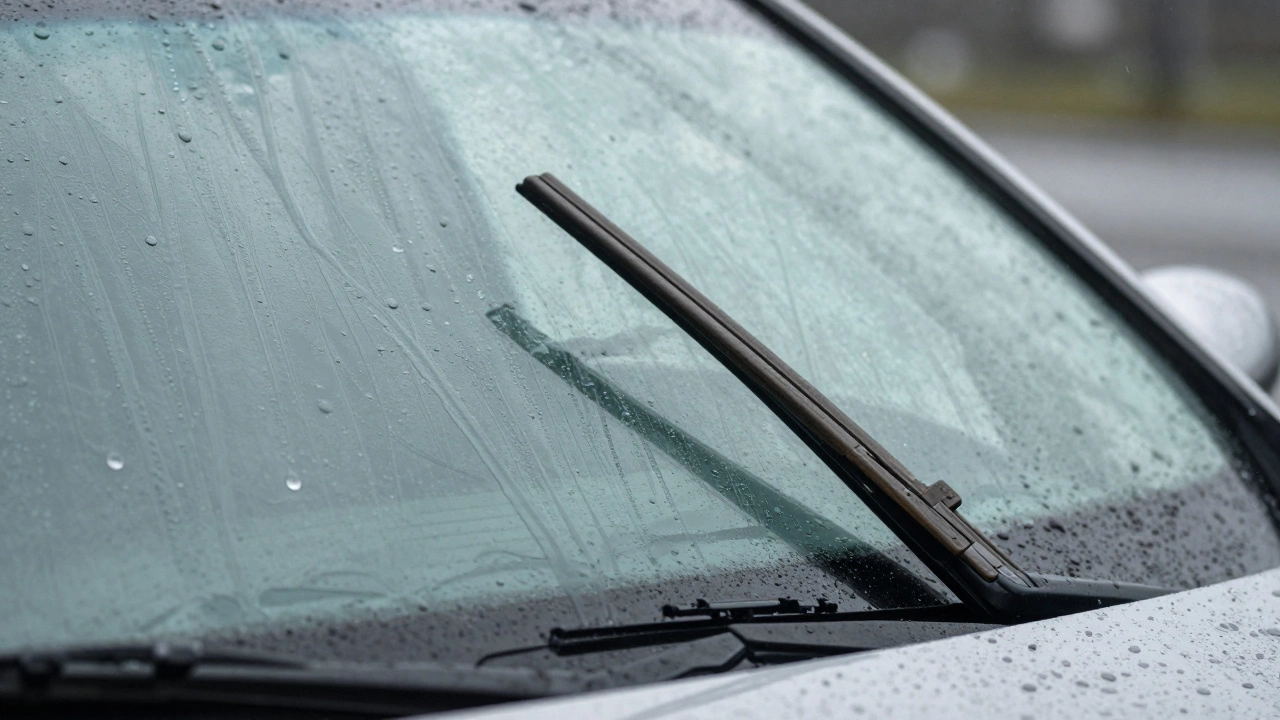
What Is the Problem with Windscreen Wipers? Common Issues and How to Fix Them
Windscreen wipers fail in predictable ways - streaking, noise, or not moving at all. Learn the real causes and how to fix them before visibility drops dangerously low.

What is a Windscreen Wiper in a Car?
Windscreen wipers play a crucial role in maintaining visibility during adverse weather conditions while driving. This article explores the mechanics, history, and significance of wiper systems in cars. It also offers practical tips on maintenance and troubleshooting common wiper issues. Understanding this everyday component can enhance driving safety and comfort. Discover why they matter more than you might think.