Windshield Wipers: What You Need to Know for Clear Vision and Safety
When your windshield wipers, devices that clear water, dirt, and debris from your car’s front glass. Also known as wiper blades, they’re one of the most overlooked but critical safety parts in your vehicle. If they streak, squeak, or leave blind spots, you’re not just dealing with an annoyance—you’re driving blind in bad weather. A single failed wiper can turn a light rain into a dangerous situation, especially at night or on highways.
Most people don’t think about wipers until they fail. But they wear out faster than you think—usually every 6 to 12 months, depending on climate and usage. Sun exposure, extreme cold, road grime, and even tree sap can degrade the rubber blade. The wiper arm, the metal part that presses the blade against the glass can also bend or lose tension, causing uneven wiping. And if you’re using cheap blades, you might be getting poor contact, leading to streaking even when the rubber looks fine.
Replacing wipers isn’t a complex job, but getting the right fit matters. Your car’s make, model, and year determine the exact size and type—whether it’s a traditional frame-style blade, a newer beam-style blade, or a hybrid design. Some cars even use rear wipers or have special curved blades for SUVs and trucks. Don’t guess the size. Check your owner’s manual or look up the correct part using your VIN. And while you’re at it, clean the windshield with vinegar and water to remove oily residue that causes smearing, even with new blades.
There’s no magic trick to making wipers last longer, but you can avoid common mistakes. Don’t use them on a dry windshield. Don’t leave them up in snow—ice can freeze them to the glass and tear the rubber when you turn them on. And never ignore a chattering sound—it’s not just annoying, it’s a sign the blade isn’t making full contact. A good wiper doesn’t just clear water; it gives you confidence. Whether you’re commuting in the rain, driving through a downpour, or navigating a snowy morning, clear vision isn’t optional. It’s the difference between getting home safely and being stuck on the side of the road.
Below, you’ll find real-world guides on how to test, replace, and choose the best wiper blades for your car—no fluff, no marketing hype. Just what works, what doesn’t, and what you need to know before your next storm hits.
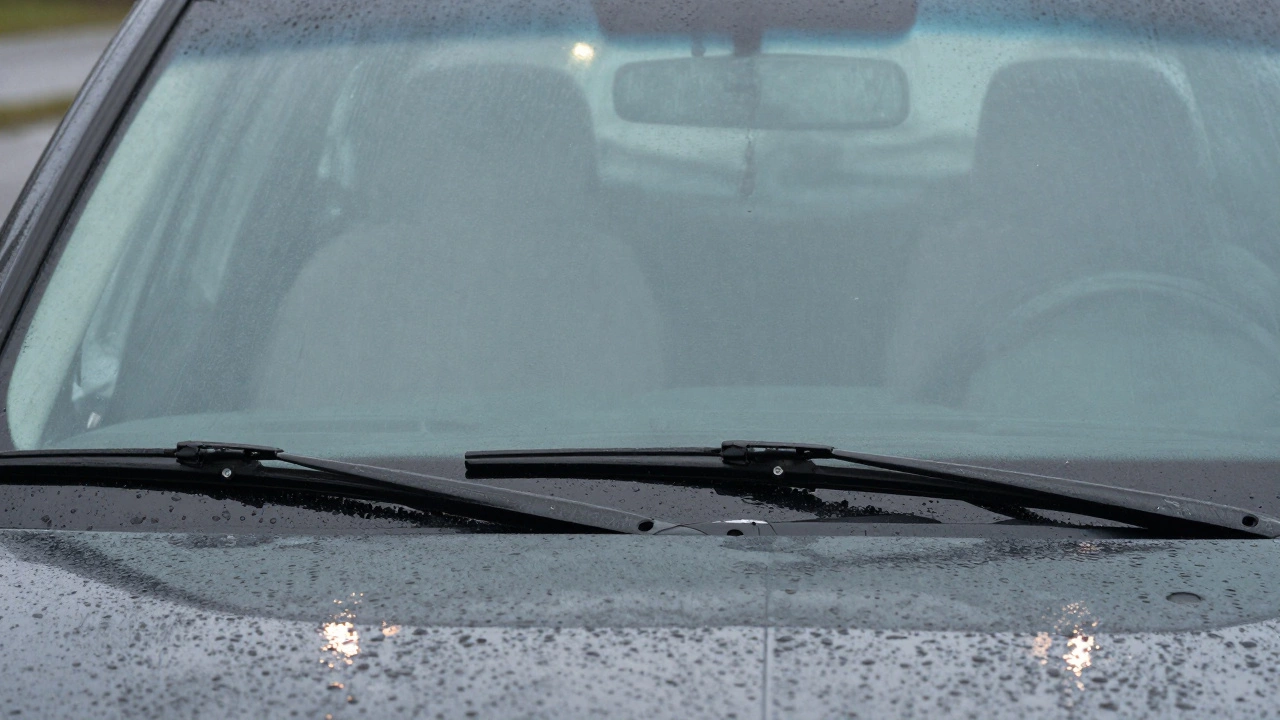
Can I Use 24-Inch Wiper Blades Instead of 22-Inch?
Using a 24-inch wiper blade instead of a 22-inch one may seem harmless, but it can damage your wiper arms, scratch your hood, or leave blind spots. Learn why size matters and how to pick the right blades for your car.
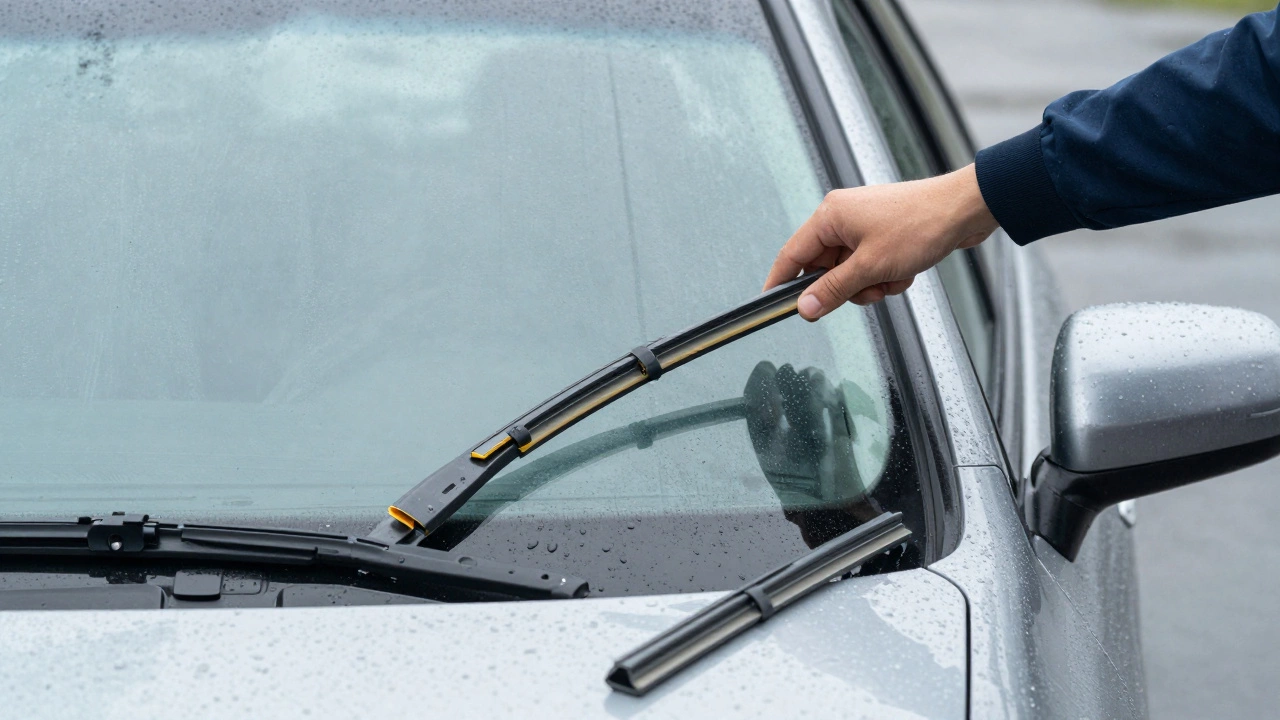
Is It Hard to Put on Windshield Wipers? A Simple Step-by-Step Guide
Replacing windshield wipers is quick, easy, and saves money. Learn how to do it yourself in under 10 minutes with no tools, and avoid dangerous streaking in rain or snow.

What is a Windscreen Wiper in a Car?
Windscreen wipers play a crucial role in maintaining visibility during adverse weather conditions while driving. This article explores the mechanics, history, and significance of wiper systems in cars. It also offers practical tips on maintenance and troubleshooting common wiper issues. Understanding this everyday component can enhance driving safety and comfort. Discover why they matter more than you might think.

How Much Longer Do Silicone Wipers Last?
Silicone wipers are gaining popularity for their longevity and performance against various weather conditions. Unlike traditional rubber wipers, silicone options promise an extended lifespan, making them a cost-effective solution for many drivers. With the added bonus of quieter operation, they tend to endure extreme temperatures better. But how long do they actually last, and are they worth the investment?

Choosing the Right Windshield Wipers: What You Need to Know
Finding the right windshield wipers for your car doesn't have to be a daunting task. This article breaks down the essentials of windshield wiper selection, from understanding the different types available to considering key factors like climate and compatibility. Get insight on specific brands, installation tips, and maintenance advice to ensure you have clear visibility at all times. Taking care of your wipers not only enhances safety but also improves overall driving comfort. Equip yourself with the knowledge to make an informed purchase.