Wiper Blade Size: Find the Right Fit for Your Car
When your windshield wipers smear instead of clear, it’s rarely about the blades being worn out—it’s usually about the wiper blade size, the exact length and attachment type needed for your car’s windshield. Also known as windshield wiper dimensions, getting this wrong means streaks, noise, or even the blade flying off in heavy rain. Your car doesn’t care if the wiper looks nice or costs more—it just needs to match the curve and length of your glass.
Wiper blade size isn’t one-size-fits-all. A Honda Civic doesn’t use the same blades as a Ford F-150, and even two sedans from the same year can need different lengths for driver and passenger sides. The windshield wipers, the rubber strips that sweep water off your front and rear glass come in standard lengths from 10 to 28 inches, and the mounting system—hook, pin, or beam—must match your car’s arm. Mixing these up leads to poor contact, which means poor visibility when you need it most.
Many people buy wipers by guesswork or what’s cheapest at the store. That’s how you end up with blades that chatter, lift at high speed, or leave patches of rain on your windshield. The right wiper replacement, the process of swapping old blades for new ones that fit your vehicle precisely isn’t about brand loyalty—it’s about matching the exact specs. Your owner’s manual lists the correct sizes, but if it’s lost or unclear, you can measure the old blades with a tape or use an online lookup tool based on your make, model, and year.
It’s not just about the front wipers. Some cars have a rear wiper too, and those often get overlooked. A 12-inch rear blade might be the only thing keeping your back view clear during a downpour. And while you’re at it, check the attachment type. Some blades use a simple hook, others require a side-locking pin or a proprietary beam adapter. Getting the wrong one means you’ll spend 20 minutes trying to force it on—and still have it come loose.
Wiper blade size matters most when you’re driving in rain, snow, or dust. A mismatched blade doesn’t just annoy you—it puts you at risk. Studies show that poor windshield clarity contributes to delayed reaction times in bad weather. That’s why replacing worn or wrong-sized wipers isn’t a chore—it’s a safety step, like checking your tires or brakes.
You’ll find plenty of guides here on how to install wipers in under 10 minutes, how to tell if yours are failing, and which brands actually last. No fluff. No upsells. Just clear, step-by-step help so you can see clearly and drive safely—no matter the weather.
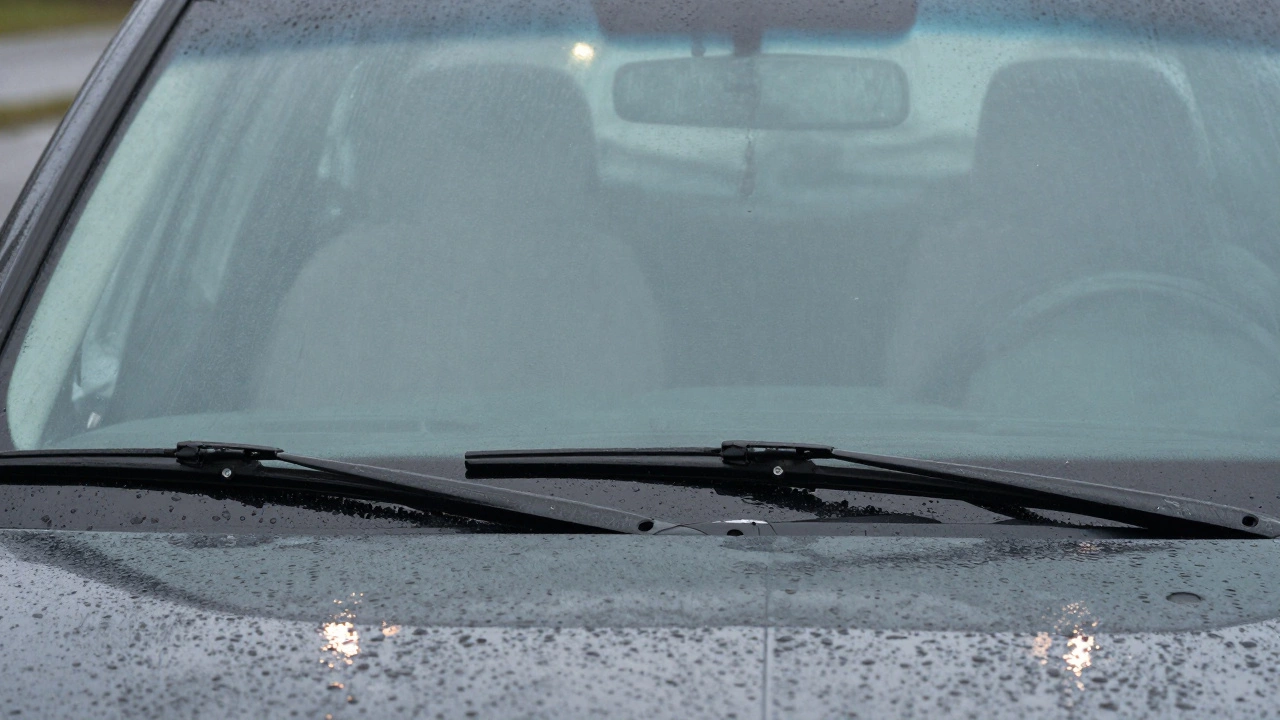
Can I Use 24-Inch Wiper Blades Instead of 22-Inch?
Using a 24-inch wiper blade instead of a 22-inch one may seem harmless, but it can damage your wiper arms, scratch your hood, or leave blind spots. Learn why size matters and how to pick the right blades for your car.
Wrong Wiper Blade Size Risks: Damage, Poor Performance & How to Fix
Learn how the wrong wiper blade size damages performance, causes noise, and can harm your wiper system. Get step‑by‑step sizing tips, installation advice, and a handy comparison table.