Brake Pads: What They Are, How They Wear, and When to Replace Them
When you press the brake pedal, brake pads, thin friction components that clamp down on the rotors to slow your car. Also known as brake shoes, they’re one of the most important safety parts in your vehicle. Without them, your brakes wouldn’t stop the wheels—no matter how hard you push the pedal. They don’t last forever, and when they wear out, you won’t just hear it—you’ll feel it. A squeal, a vibration, or a longer stopping distance means it’s time to pay attention.
Brake pads work with rotors, the metal discs attached to your wheels that the pads press against. Over time, the friction between the two wears down the pad material. That’s normal. But what’s not normal is ignoring the signs: grinding noises mean metal is hitting metal, and that’s when rotors get damaged too. And replacing just the pads without checking the rotors? That’s like putting new tires on a bent rim—it won’t last, and it won’t be safe. Brake fluid, the hydraulic medium that transfers pressure from your pedal to the pads, also plays a role. Old or contaminated fluid can cause spongy brakes, even if the pads are fine.
Driving habits matter. If you’re always braking hard in city traffic, your pads wear out faster than if you drive mostly on highways. Heavy loads, like hauling tools or trailers, add stress. Even the type of pad matters—cheap ones wear out quicker and make more dust. Performance pads last longer but can be noisier when cold. You don’t need the most expensive ones, but you do need ones that match your driving style.
Most brake pads last between 25,000 and 70,000 miles, but that’s just a guess. Some drivers replace them at 30,000; others make it past 80,000. The real answer? Check them. Look through the wheel spokes. If the pad looks thinner than a quarter, it’s time. Listen for that high-pitched squeal—it’s built into the pad to warn you. Ignore it, and you’ll hear a much worse sound later.
And don’t forget the calipers. If they’re sticking, the pads won’t release properly, causing uneven wear and overheating. A bad caliper can ruin a brand-new set of pads in weeks. That’s why a full brake inspection isn’t just about the pads—it’s about the whole system.
What you’ll find below are real-world guides on how to spot failing brake pads, what noises to listen for, how much replacement costs, and how to avoid being upsold on parts you don’t need. No fluff. No guesswork. Just clear, practical info from people who’ve been under the car, checked the pads, and lived to tell the story. Whether you’re doing it yourself or taking it to a shop, this collection will help you make the right call before your brakes fail.
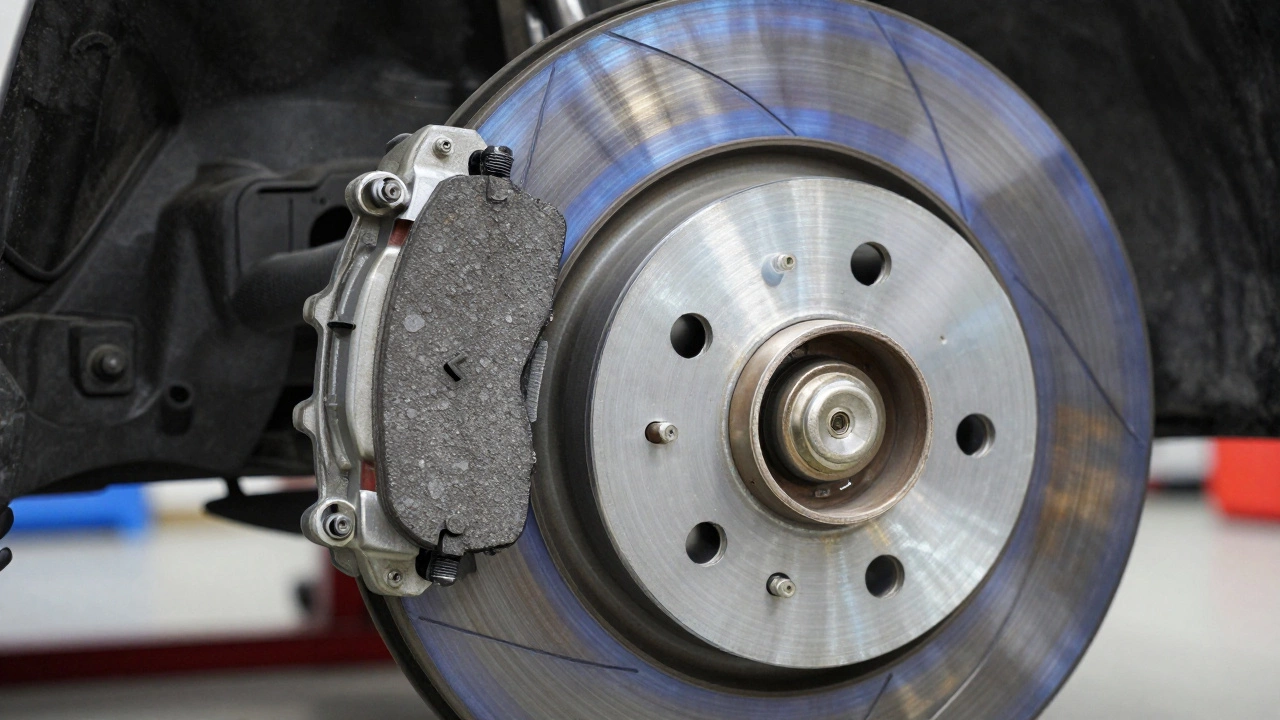
Can I Just Replace Brake Pads Without Changing Rotors?
Replacing brake pads alone might seem like a quick fix, but it can be dangerous if rotors are worn. Learn when you can skip rotors-and when you absolutely can't-for safer, longer-lasting brakes.
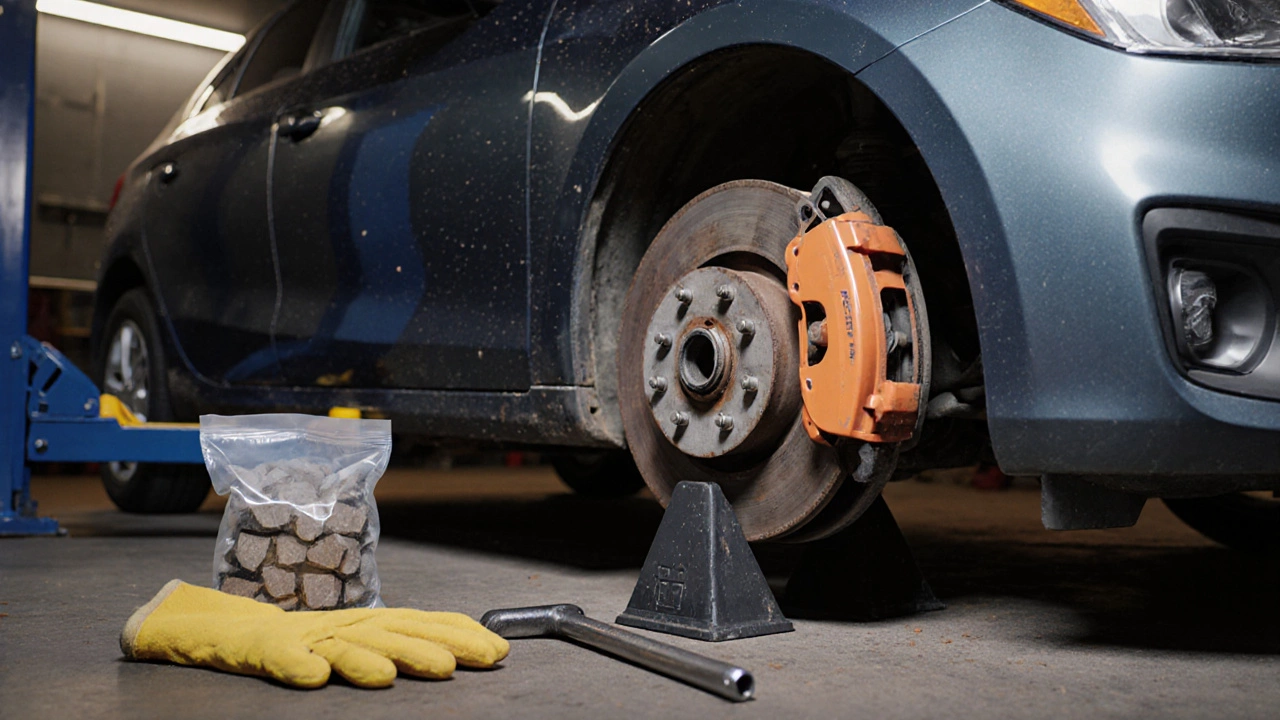
Changing Brake Pads by Yourself: DIY Guide
Learn how to replace brake pads by yourself with a step‑by‑step guide, tools checklist, safety tips, and FAQs for a safe DIY brake service.

How Long Can I Drive on Bad Brake Pads?
Wondering if you can keep driving with bad brake pads? This article digs into how worn pads affect your safety, what can actually go wrong, and how far you might stretch things before real damage happens. You’ll find straight talk, practical tips, and warning signs you can’t ignore. Don’t risk damage to your car or your wallet—learn what’s really at stake. Get real answers and stay safer on the road.

How Often Should Car Brakes Be Replaced? Know When to Change Your Brake Pads
Not sure when your car’s brakes need a swap? This guide breaks down everything you need to know about how often to replace brake pads, what signs to look for, and what can mess with their lifespan. You’ll get tips to keep your brakes in top shape and spot problems before they turn serious. Staying sharp on brake health doesn’t just save cash—it keeps you and your passengers safe. Whether you drive daily or only on weekends, knowing the signs of brake wear will help you plan ahead.
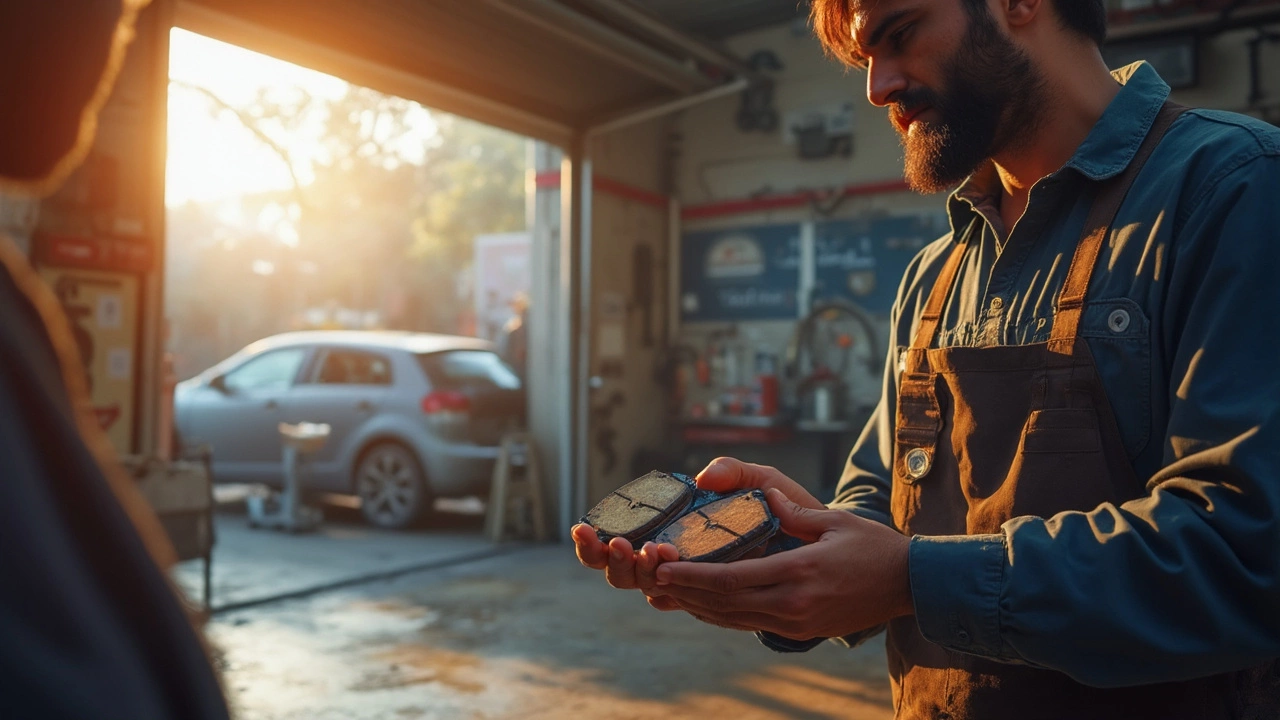
Do I Need to Buy 2 Sets of Brake Pads?
Wondering if you need two sets of brake pads for your car? This article clears up the confusion by explaining when and why having two sets can be beneficial. Get insights into the wear patterns of brake pads, the benefits of maintaining spares, and tips for ensuring your safety on the road. Learn about the different types of brake pads and how driving habits influence your decisions.
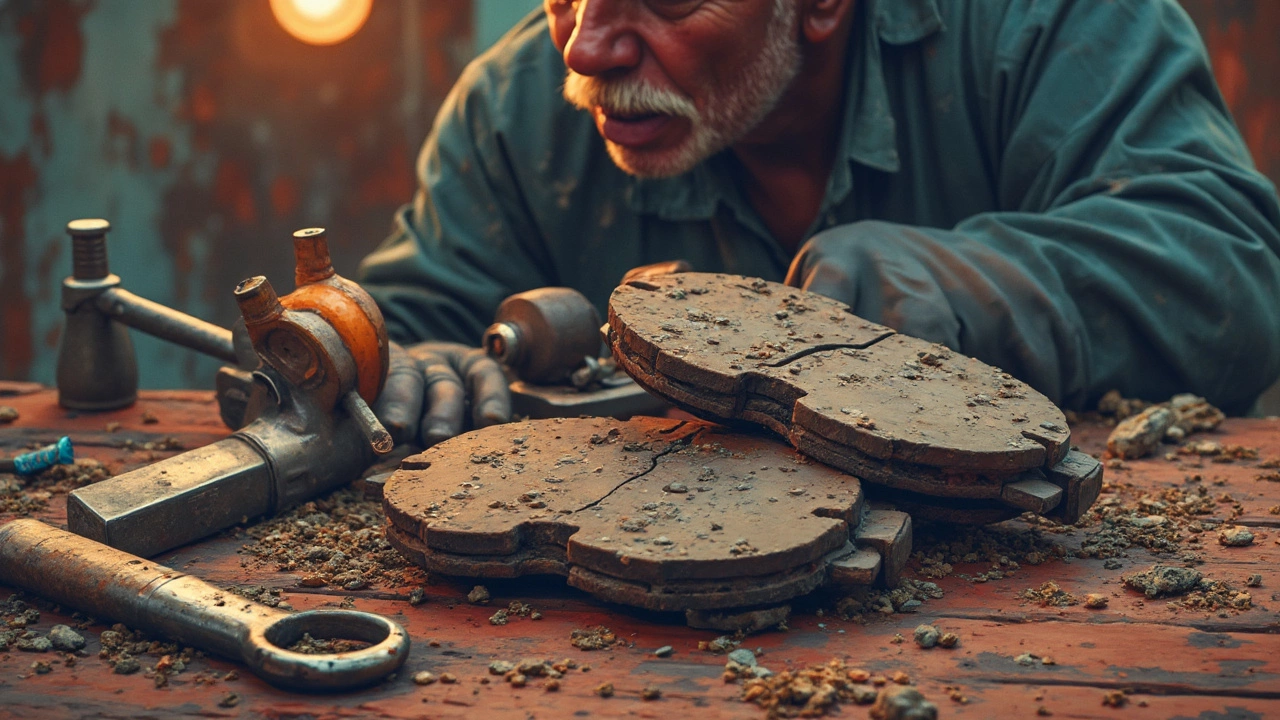
Can I Drive My Car with Bad Brake Pads?
Driving with bad brake pads isn't just risky—it's downright dangerous. These thin metal or composite parts might seem small, but they play a huge role in stopping your car safely. Without proper brake pads, your stopping distance increases, putting you and others at risk. It's essential to understand the impact of worn-out brake pads and to know when it's time for a replacement to ensure safety on the road.
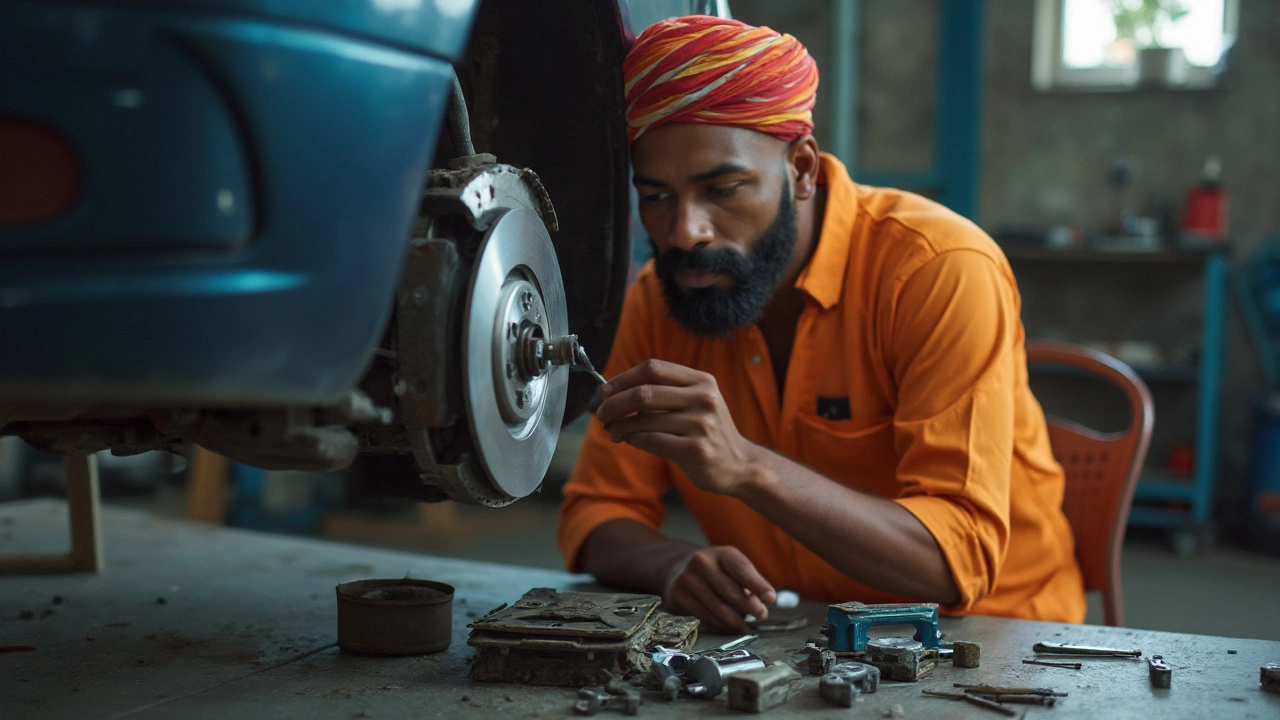
Can I Just Replace Brake Pads and Not Rotors?
Wondering if you can just swap out the brake pads without touching the rotors? This article explores the do's and don'ts of brake maintenance. Get the lowdown on when it’s okay to skip rotor replacement, what signs to watch for if a rotor change is needed, and how to keep your brakes in top shape. Perfect for car owners who want to make informed decisions about their vehicle's maintenance.
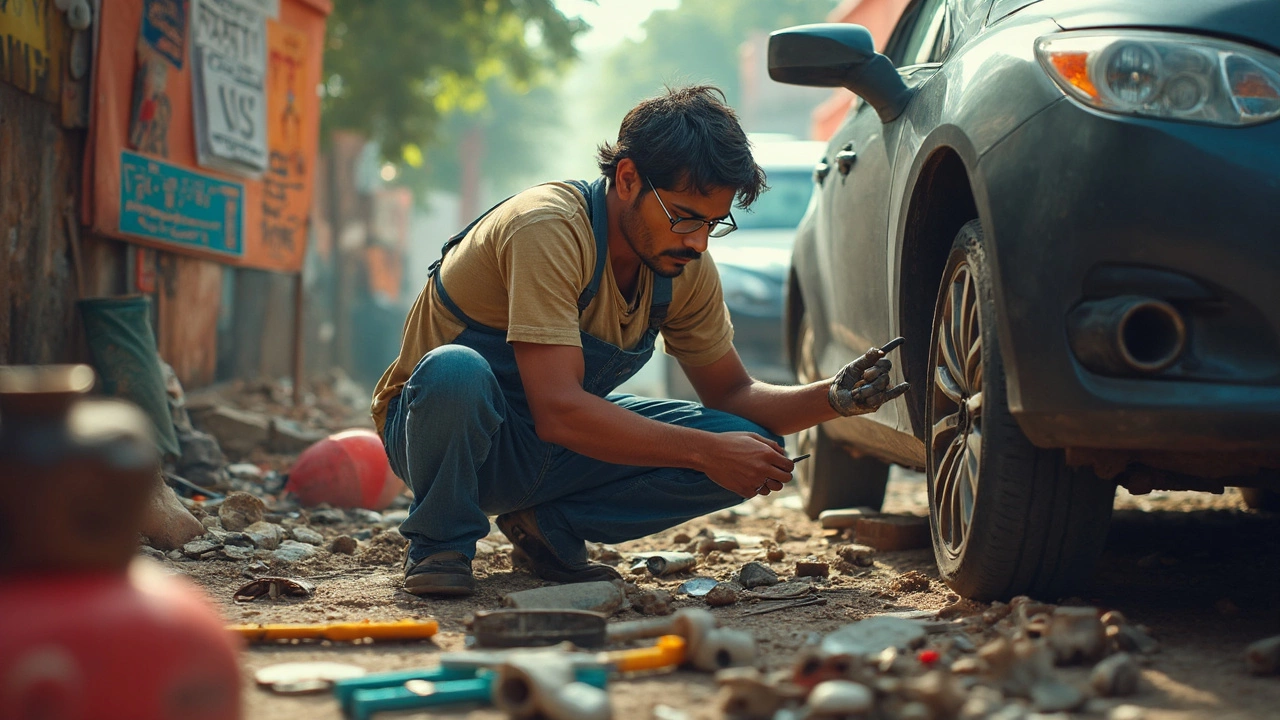
How Long Do New Brake Pads Really Last?
Understanding how long new brake pads last is essential for every driver. This article explores the factors influencing their lifespan, tips on recognizing wear and tear, and advice on how to make them last longer. Whether you’re a seasoned driver or a newbie, keeping your brake pads in check is crucial for safety. Dive into practical tips and facts that could extend the life of your brake pads significantly.

When to Replace Your Brake Pads: The Clear Signs
Recognizing the signs of worn-out brake pads is crucial for your safety and your car's health. If you're hearing unusual squealing or feeling vibrations, it might just be time. Regularly checking your brake pads can save you time and money in the long run. Learn key tips on how to spot when those trusty pads are due for a change.
Should You Replace All Four Brake Pads at Once?
Deciding whether to replace all four brake pads simultaneously can impact both the performance and safety of your vehicle. This article explores the considerations involved, from understanding brake pad wear to evaluating cost-effectiveness. We'll provide insights into how your vehicle's braking system functions and what to watch for when it comes to brake maintenance. Dive in to learn practical tips and avoid common pitfalls when it's time for a brake pad replacement.
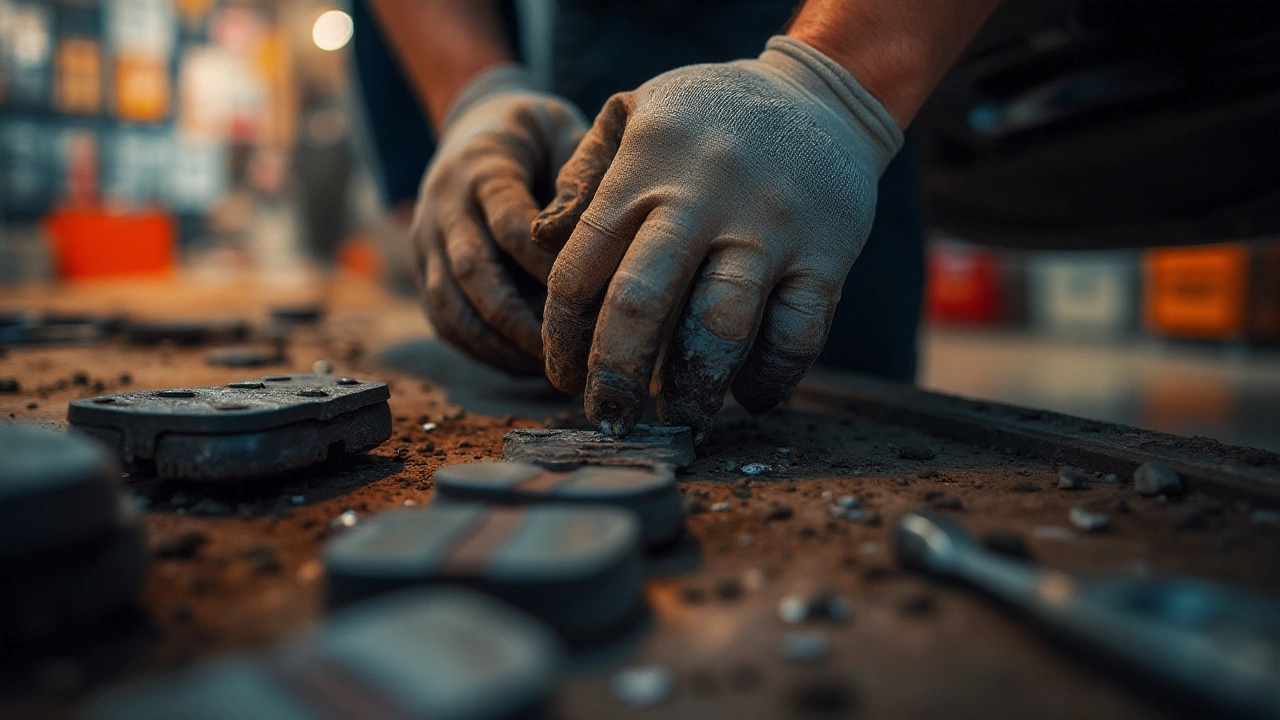
Recognizing When Brake Pads Need Replacement: Essential Tips and Signs
Knowing when to change your brake pads is crucial for maintaining vehicle safety and performance. Look for warning signs including unusual noises, decreased responsiveness, and visual wear on the pads. Staying proactive with brake maintenance not only ensures safety but also extends the life of your vehicle. Understanding the lifespan and wear indicators of brake pads can help prevent costly repairs and dangerous driving conditions. Regular inspections by a professional can help catch issues early and maintain peace of mind on the road.