Fuel Pump Replacement: Signs, Costs, and What You Need to Know
When your car won’t start and you’ve checked the battery, the fuel pump, a critical component that delivers gasoline from the tank to the engine. Also known as fuel delivery pump, it’s one of those parts you never think about—until it dies. Without it, your engine gets no fuel. No fuel means no start. No matter how new your spark plugs or how fresh your oil, a bad fuel pump stops everything.
A failing fuel pump doesn’t always scream for help. Sometimes it just whispers—your car sputters on the highway, struggles to climb hills, or takes longer than usual to turn over. You might hear a faint whining noise from the back seat when you turn the key. These aren’t just annoyances; they’re warning signs. The fuel system, the network of lines, filters, and injectors that move fuel from tank to engine depends on that pump working right. If it’s weak, your engine starves. And if it fails completely, you’re stranded. Most fuel pumps last between 100,000 and 150,000 miles, but dirt in the tank, running low on gas often, or using cheap fuel can kill it way sooner.
Replacing a fuel pump isn’t always easy. It’s usually buried inside the gas tank, which means you’re looking at labor costs that can double the part price. A new pump runs $150–$400, but with labor, you could pay $600–$1,000. Some cars let you access it through an access panel—others require dropping the tank. That’s why it’s smart to catch problems early. If your car hesitates when you press the gas, or the check engine light comes on with codes like P0190 or P0087, don’t ignore it. That’s your fuel system crying for help. And while you’re at it, check the fuel filter, a simple but vital screen that catches debris before it reaches the pump. A clogged filter puts extra strain on the pump and can mimic its failure.
You might be tempted to try tricks like tapping the tank or using fuel injector cleaner to get by—but those are bandaids, not fixes. A dying fuel pump won’t recover. And driving on one is risky. What if it quits on a busy road or in the middle of a storm? Better to replace it before it leaves you helpless. The posts below walk you through how to spot a failing pump, what to expect when replacing it, and even how to temporarily get your car running if you’re stuck with a bad one—without risking your safety or your engine.

How Does Your Car Act If the Fuel Pump Is Going Out? Signs You Can't Ignore
A failing fuel pump won't always leave you stranded-it starts with subtle signs like sputtering, hard starts, and whining noises. Learn the key symptoms before your car dies for good.
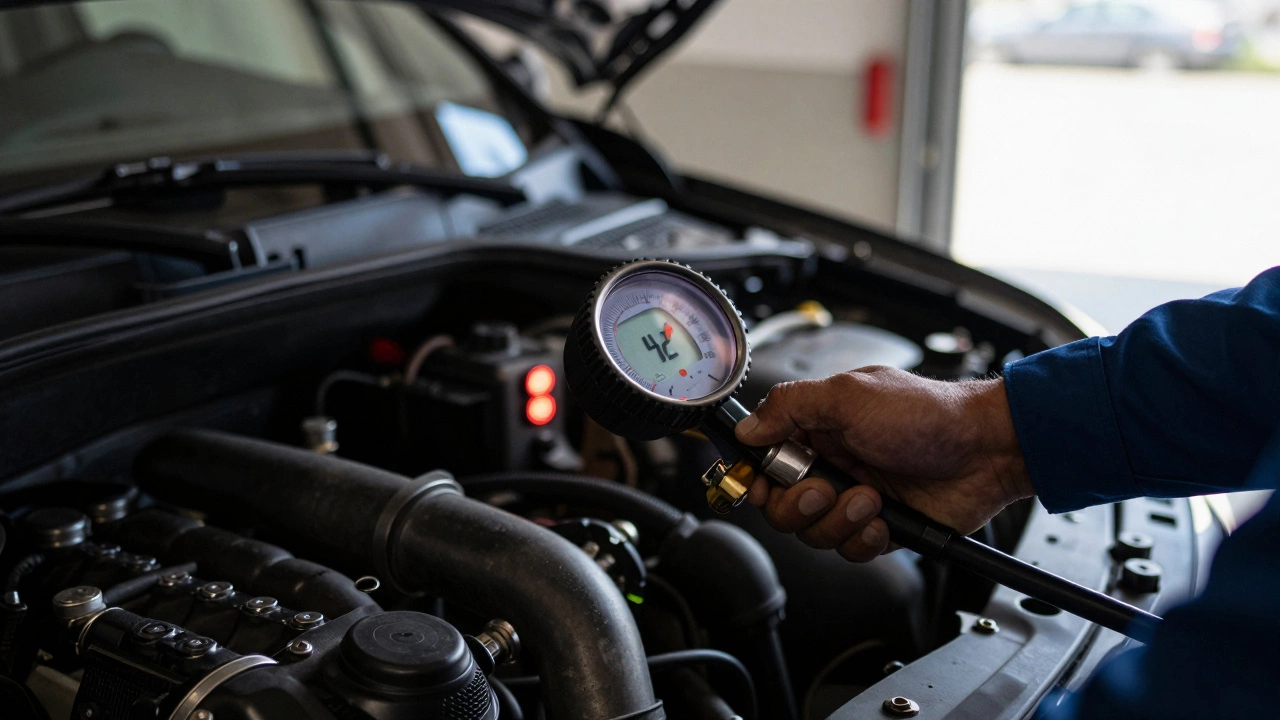
How to Fix a Bad Fuel Pump: Step-by-Step Diagnosis and Replacement
Learn how to diagnose and replace a bad fuel pump with step-by-step testing, replacement tips, and prevention strategies to avoid breakdowns. Save money and stay safe on the road.
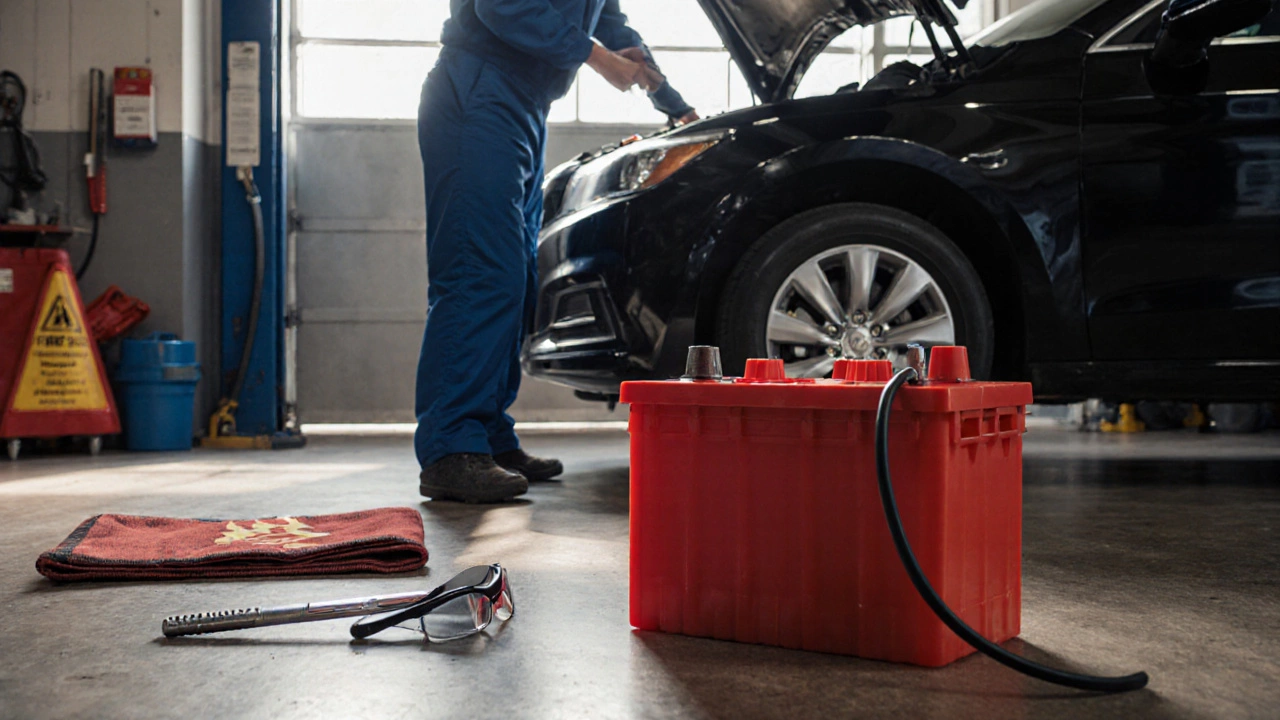
Do You Need to Disconnect the Battery When Replacing a Fuel Pump?
Learn why and how to safely disconnect the battery when replacing a fuel pump, with step‑by‑step instructions, safety tips, and FAQs for DIY mechanics.

How Easy Is It to Replace a Car Fuel Pump?
Learn if swapping a car fuel pump is a weekend DIY or a shop job. Get tools, step‑by‑step instructions, safety tips, cost comparison and FAQs.

What Happens When a Fuel Pump Goes Bad? Symptoms, Diagnosis & Fixes
Learn how a failing fuel pump affects your car, spot the warning signs, diagnose the issue, and understand repair options to keep your ride running smoothly.

Changing a Fuel Pump: Do You Really Need an Empty Tank?
Do you really need to empty your fuel tank before changing the fuel pump? Here’s what you actually need to know—real talk, no myths, only practical advice.