Radiator Leak: How to Spot, Fix, and Prevent Costly Engine Damage
When your radiator leak, a failure in the car’s cooling system that allows coolant to escape, often leading to engine overheating. Also known as a coolant leak, it’s one of the most common reasons cars break down on the road. It doesn’t always mean a huge puddle under your car. Sometimes it’s just a faint smell of sweet syrup, a low coolant warning light, or steam rising from under the hood. Ignoring it doesn’t just mean a hot day on the highway—it means a warped cylinder head, a blown head gasket, or worse, a totaled engine.
The cooling system, the network of hoses, radiator, water pump, and thermostat that keeps your engine at the right temperature is simple but under constant stress. Rubber hoses crack, metal tanks corrode, and plastic end tanks get brittle over time. A car radiator, the main heat exchanger that cools engine coolant before it cycles back isn’t meant to last forever. Even if you’ve never touched it, age and road salt will wear it down. And if you’ve ever had a radiator replaced—like in the $600–$1,200 range—you know how expensive it gets when you wait too long.
Most radiator leaks start small. A pinhole in the tank, a loose hose clamp, a cracked plastic side tank. You might not notice until your car overheats, or worse, shuts down mid-drive. That’s why checking coolant levels monthly matters. If you’re topping off every few weeks, you’ve got a leak. And if you see green, orange, or pink fluid under your car? That’s not oil. That’s coolant escaping—and your engine is begging for help.
Fixing it yourself isn’t always hard. Sometimes it’s just a new hose or a tightened clamp. Other times, you’re looking at a full radiator replacement. But here’s the thing: you don’t need to guess. The posts below show you exactly what to look for, how to test for leaks, what parts actually fail, and when to call a pro. You’ll find real cost breakdowns, step-by-step fixes, and warnings about the mistakes people make when they try to save a few bucks. No fluff. No theory. Just what works.
Whether you’re dealing with a slow drip after a long drive or a sudden boil-over on the highway, the answers are here. You’ll learn how to diagnose a radiator leak without a shop, how to tell if it’s the radiator or something else, and why skipping this repair is one of the most expensive decisions you can make. Let’s get you back on the road—safely and without breaking the bank.
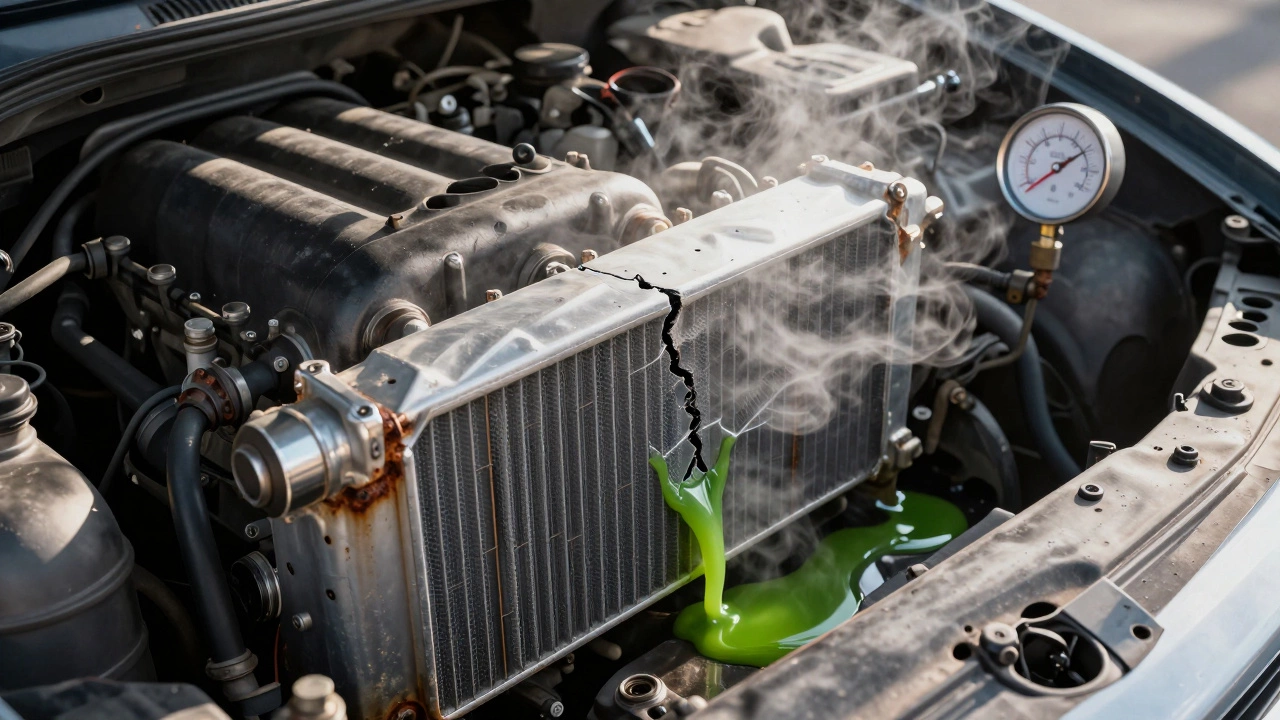
How to Know if a Radiator Is Bad: 7 Clear Signs Your Car’s Cooling System Is Failing
Learn the 7 clear signs your car radiator is failing-from overheating and coolant leaks to rust and bulging tanks. Know when to replace it before your engine gets damaged.
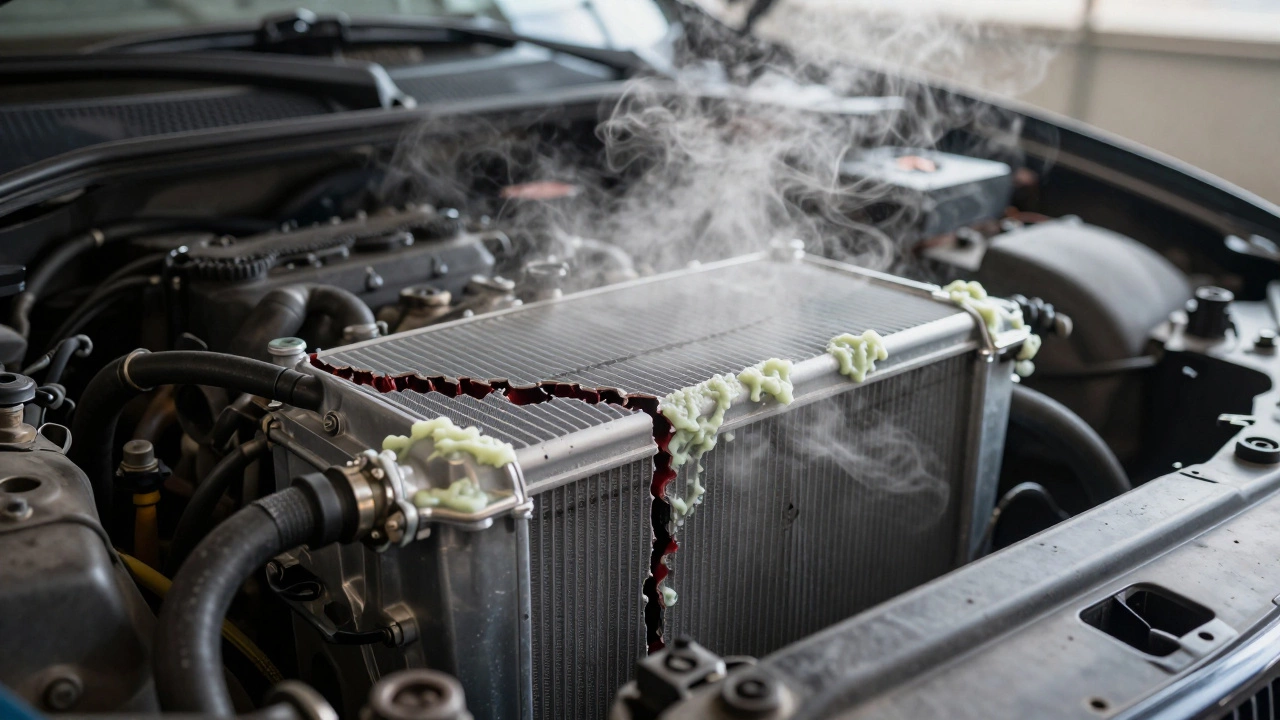
How to Tell If Your Car Radiator Is Failing
Learn the real signs your radiator is failing - overheating, coolant loss, sludge, and more. Avoid engine damage by catching radiator problems early.
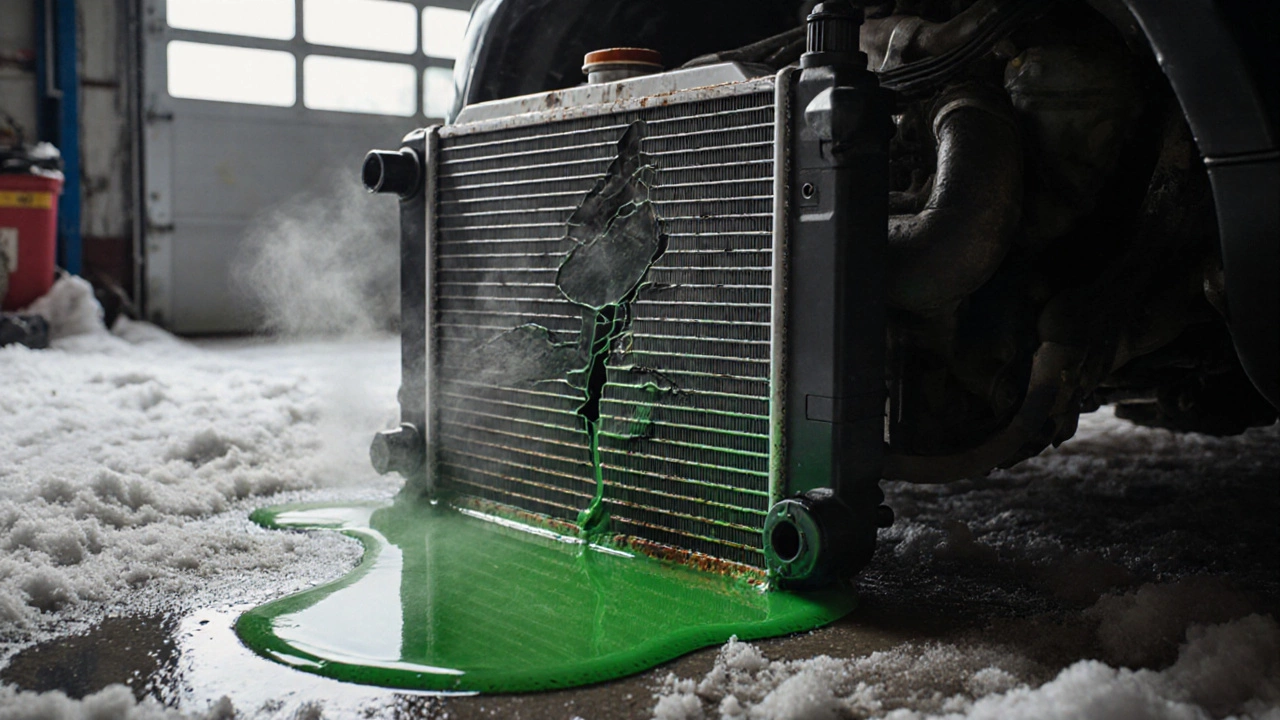
How Do I Know If My Radiator Is Bad? 7 Clear Signs to Watch For
Learn the 7 clear signs your radiator is failing-from coolant leaks to engine overheating-and what to do before it leaves you stranded. Save money and avoid engine damage.