Spark Plug Failure: Signs, Causes, and What to Do Next
When your car sputters, stalls, or won’t start, it’s often not the battery—it’s the spark plug failure, a common ignition system breakdown where the spark plug stops firing properly, causing misfires and poor engine performance. Also known as faulty spark plugs, this issue quietly drains power, kills fuel economy, and can wreck your catalytic converter if ignored. Spark plugs aren’t just little metal pieces—they’re the heartbeat of your engine’s combustion cycle. Every time you turn the key, they ignite the air-fuel mix. When they fail, that rhythm breaks.
Spark plug failure doesn’t happen overnight. It’s usually the result of wear, contamination, or incorrect installation. Over time, the electrodes wear down, gaps widen, and the spark weakens. Oil or carbon buildup from a leaking valve seal or rich fuel mixture coats the tip, smothering the spark. Even using the wrong heat range plug can cause overheating or fouling. And yes—cheap spark plugs or skipping replacements every 30,000 to 100,000 miles (depending on type) is a gamble most drivers lose. You don’t need a mechanic to spot the signs. If your engine misfires, hesitates on acceleration, or the check engine light flashes, those are red flags. Poor fuel economy? That’s another silent scream from dying plugs.
Related issues like a bad fuel pump, a component that delivers fuel to the engine under pressure or a failing ignition coil, the part that sends high voltage to the spark plug can mimic spark plug failure. But if you’ve ruled out fuel delivery and coil problems, the plugs are the next stop. Replacing them isn’t magic—it’s basic maintenance. You don’t need fancy tools, just the right plugs and a little patience. Most cars let you swap them in under an hour. Skipping this fix doesn’t save money—it just pushes the damage down the line. A misfiring engine can overheat, damage sensors, or even ruin your catalytic converter, costing you thousands.
What you’ll find below are real, tested fixes and signs you’ve probably already seen but ignored. From hard starts in the morning to rough idling at traffic lights, these posts break down exactly what’s happening under your hood—and how to fix it before it costs you more than a tank of gas.
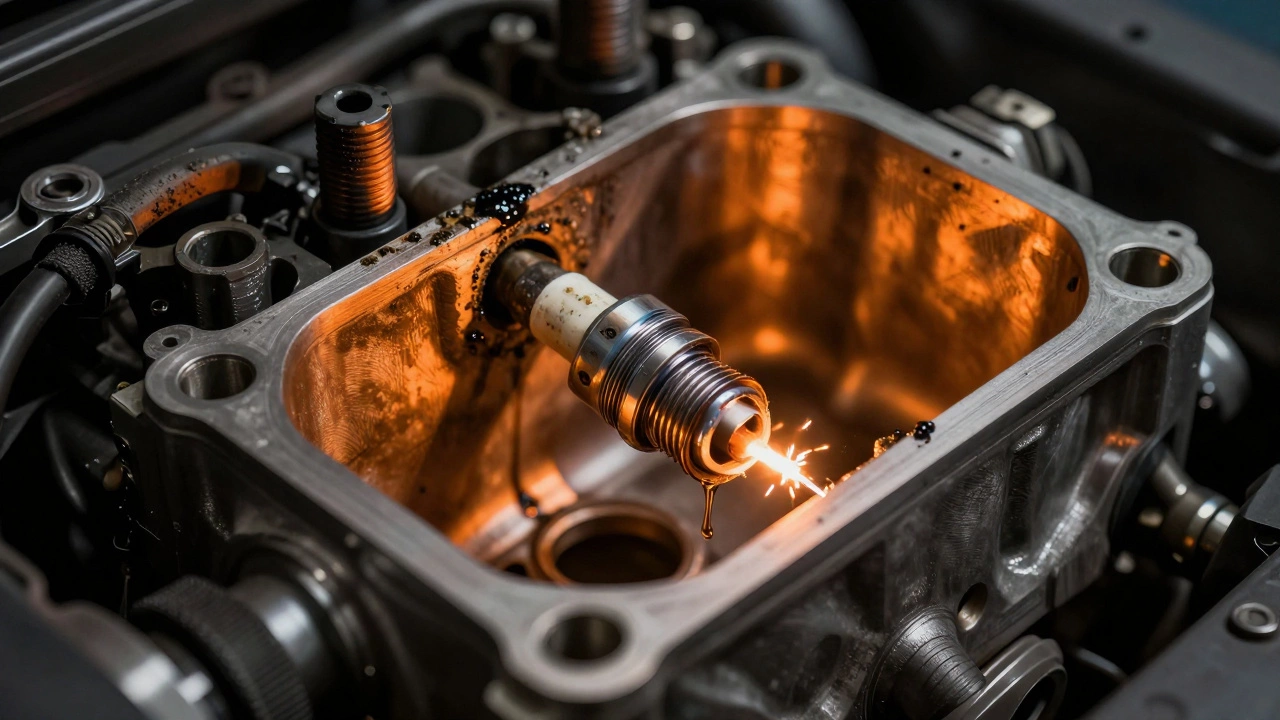
What Happens to Your Engine When Spark Plugs Go Bad?
Bad spark plugs cause misfires, poor fuel economy, and hard starts. Left unchecked, they can damage your catalytic converter and engine. Replacing them on schedule is cheap insurance against costly repairs.
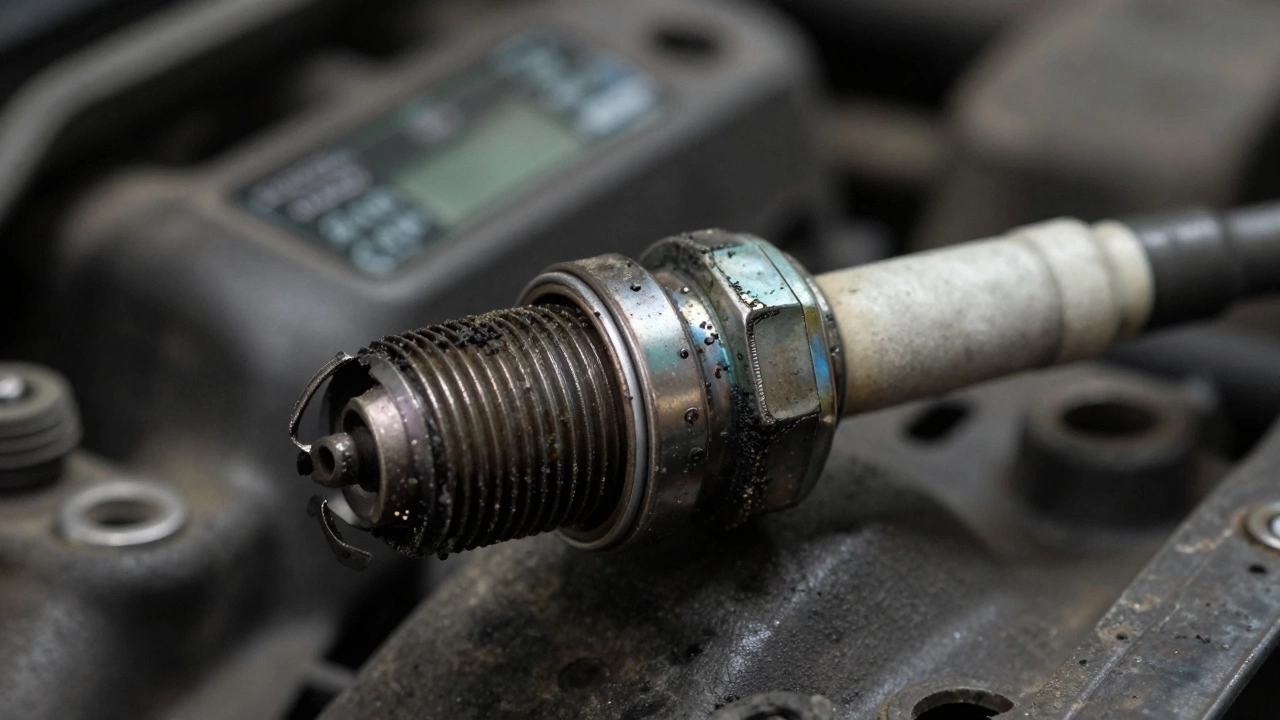
What Happens If I Drive With Bad Spark Plugs? Real Risks and Quick Fixes
Driving with bad spark plugs causes misfires, poor fuel economy, and can damage your engine. Learn the real risks and how to fix them before it costs you thousands.