Wiper Blades: What You Need to Know for Clear Vision and Safety
When your wiper blades, rubber strips attached to arms that clear water, snow, and debris from your windshield. Also known as windshield wipers, they’re one of the most overlooked safety features in your car. If they’re cracked, streaking, or skipping, you’re driving blind in bad weather—no matter how good your headlights are. A study by the National Highway Traffic Safety Administration found that poor visibility due to faulty wipers contributes to over 100,000 crashes every year in the U.S. alone. That’s not a guess—it’s a stat. And it’s not just about rain. Snow, dust, bugs, and even pollen can turn your windshield into a blurry mess if your blades are old.
Wiper blades don’t last forever. Most last 6 to 12 months, depending on climate and usage. Heat from the sun cracks the rubber. Cold freezes it. Salt from winter roads eats away at the frame. You don’t need a mechanic to check them—just turn them on during a light shower. If you see streaks, hear squeaking, or the blade lifts off the glass, it’s time to replace them. The right wiper blade size, the exact length measured in inches that matches your car’s windshield. Also known as wiper blade dimensions, it’s critical because a blade that’s too short won’t clear the glass, and one that’s too long can damage the motor or housing. Every car model has a specific size, and mixing them up is a common mistake. You can find yours in your owner’s manual, on the old blade itself, or by searching your car’s make and model online.
There are two main types: traditional frame-style blades and newer beam blades. Frame blades are cheaper and easy to find, but they can collect ice and snow in winter. Beam blades are one-piece, aerodynamic, and press evenly against the glass—even at high speeds. They’re pricier, but if you live where it snows, they’re worth it. Don’t forget the wiper arm, the metal part that connects the blade to the motor and applies pressure. Also known as wiper linkage, it’s what keeps the blade in contact with the windshield. A bent or weak arm won’t hold the blade flat, causing the same streaking as bad rubber. Replacing the blade is simple—most click on in under a minute with no tools. But if the arm is rusted or broken, you’ll need to swap it out too.
Buying cheap blades might save you a few dollars now, but they wear out faster and leave you with blurry vision when you need it most. Look for blades with a rubber compound that resists UV damage and a steel or flexible frame that holds shape. Brands matter less than design and material—read reviews from drivers in your climate. And don’t wait for the first streak to appear. Replace them before the first big storm. Clear vision isn’t a luxury—it’s the difference between getting home safely and ending up in a ditch.
Below, you’ll find real guides on how to install wiper blades, what to watch for when they fail, and how to avoid common mistakes that leave you stranded in the rain. These aren’t theory pieces—they’re step-by-step fixes from people who’ve done it themselves, saved money, and stayed safe.
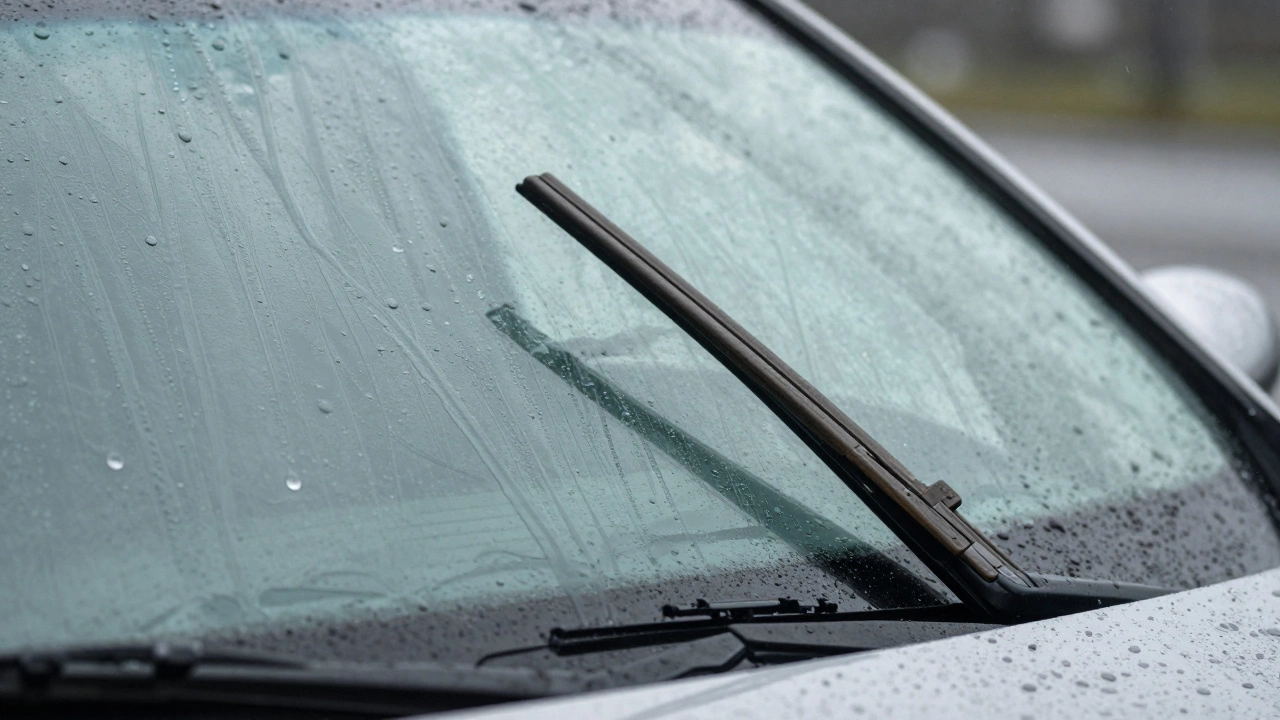
What Is the Problem with Windscreen Wipers? Common Issues and How to Fix Them
Windscreen wipers fail in predictable ways - streaking, noise, or not moving at all. Learn the real causes and how to fix them before visibility drops dangerously low.
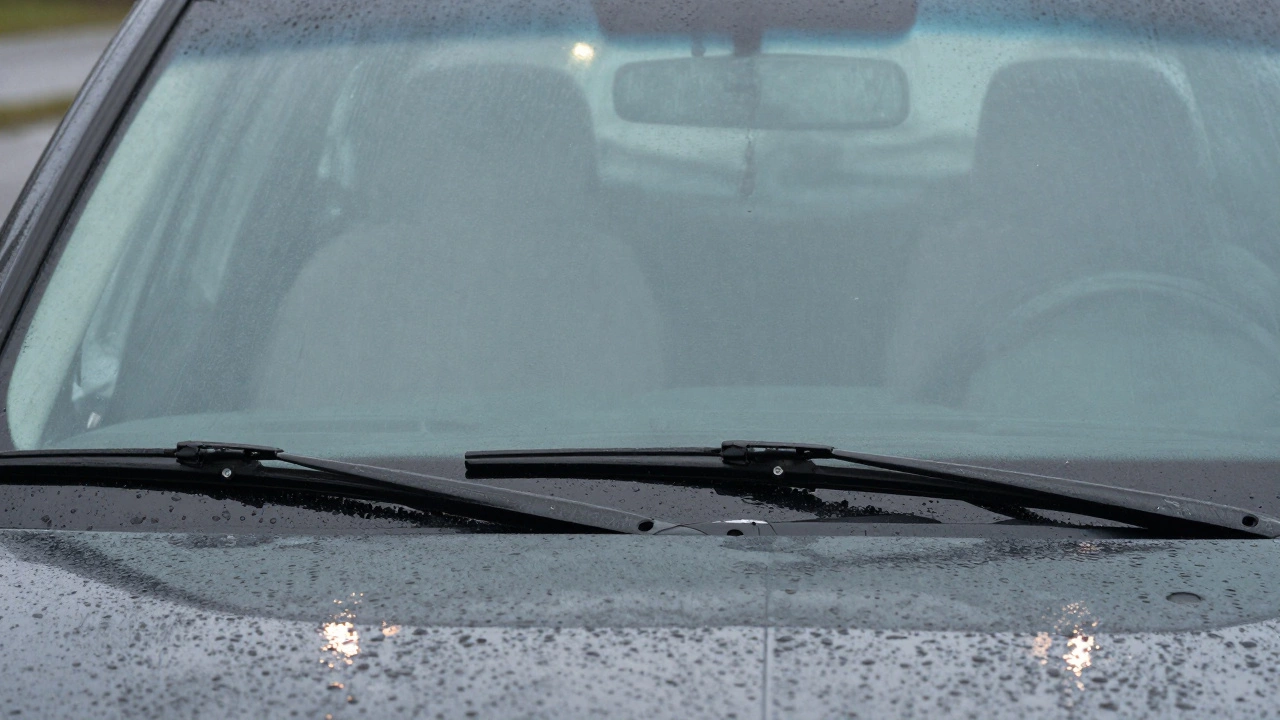
Can I Use 24-Inch Wiper Blades Instead of 22-Inch?
Using a 24-inch wiper blade instead of a 22-inch one may seem harmless, but it can damage your wiper arms, scratch your hood, or leave blind spots. Learn why size matters and how to pick the right blades for your car.

Choosing the Right Windshield Wipers: What You Need to Know
Finding the right windshield wipers for your car doesn't have to be a daunting task. This article breaks down the essentials of windshield wiper selection, from understanding the different types available to considering key factors like climate and compatibility. Get insight on specific brands, installation tips, and maintenance advice to ensure you have clear visibility at all times. Taking care of your wipers not only enhances safety but also improves overall driving comfort. Equip yourself with the knowledge to make an informed purchase.