Engine Oil: What You Need to Know Before You Pour
When you think about your car’s engine, you’re really thinking about engine oil, a vital fluid that reduces friction, cools parts, and cleans debris inside the engine. Also known as motor oil, it’s the lifeblood of your car—skip it, use the wrong kind, or ignore its signs, and you’re gambling with thousands of dollars in repairs. Not all engine oil is created equal. The right type depends on your car’s make, model, age, and even the weather where you drive. Using the wrong oil viscosity, a number like 5W-30 or 10W-40 that tells you how thick or thin the oil flows at different temperatures can cause poor lubrication, overheating, or even engine seizure. A 10W-30 might seem close enough to 5W-30, but in cold weather, that small difference means your engine struggles to start and wears faster.
Then there’s the type: synthetic oil, a lab-made fluid designed for better performance, longer life, and cleaner operation than traditional mineral oil. It’s pricier, but it lasts longer, flows better in extreme temps, and protects high-performance engines better. Conventional oil? It works fine for older cars with low mileage, but if your manual says synthetic, don’t cut corners. And don’t forget—oil doesn’t just wear out from miles. It breaks down over time, even if you barely drive. Oil sitting in your tank for a year can lose its additives, turn acidic, and start corroding parts. That’s why oil change interval, the recommended time or distance between oil changes isn’t just about mileage—it’s about time too.
What you see on the dipstick matters. Dark oil isn’t always bad—it’s normal after use. But if it’s milky, smells like burnt plastic, or has metal flakes, that’s your engine screaming for help. Low oil doesn’t just mean a top-up—it could mean a leak, a failing gasket, or worse. And driving with low oil? You might make it to the next gas station. Or you might kill your engine before you turn the key. This collection of posts cuts through the noise. You’ll learn how to read your dipstick, why viscosity numbers aren’t just marketing, what happens when oil sits too long, and how to avoid the most common mistakes that cost drivers thousands. No fluff. Just what you need to know before you open that bottle.
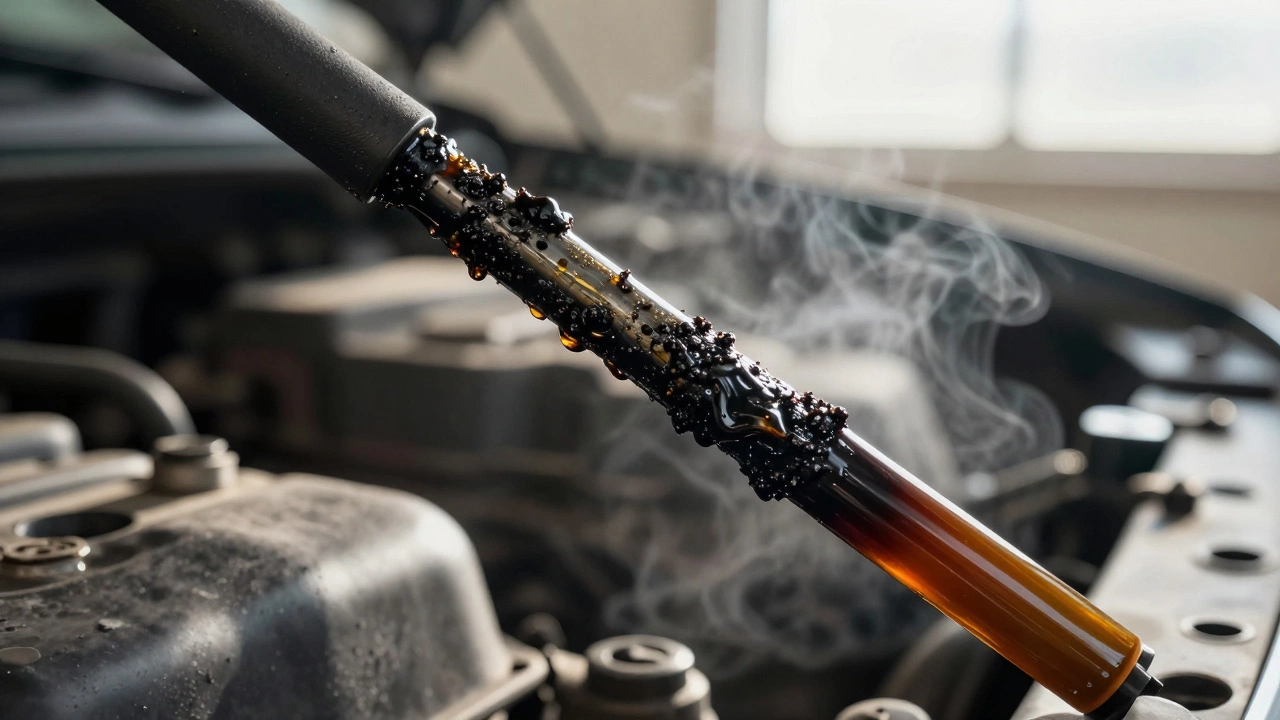
What Are the Symptoms of Not Getting an Oil Change?
Ignoring oil changes leads to engine damage you can't see until it's too late. Learn the real symptoms-overheating, strange noises, poor fuel economy-and why waiting costs thousands.
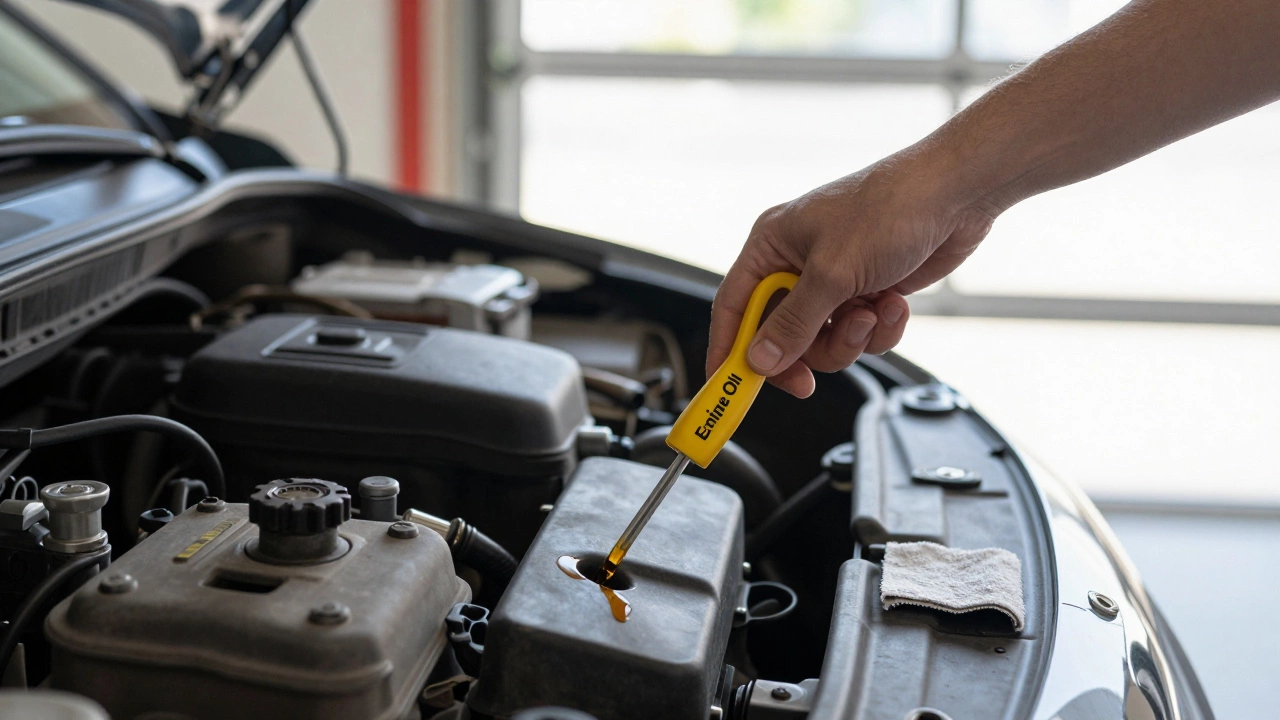
How to Tell if a Car Is Low on Oil: Simple Signs and What to Do
Learn the clear signs your car is low on oil-dipstick checks, strange noises, warning lights, and leaks. Know what to do before engine damage happens.
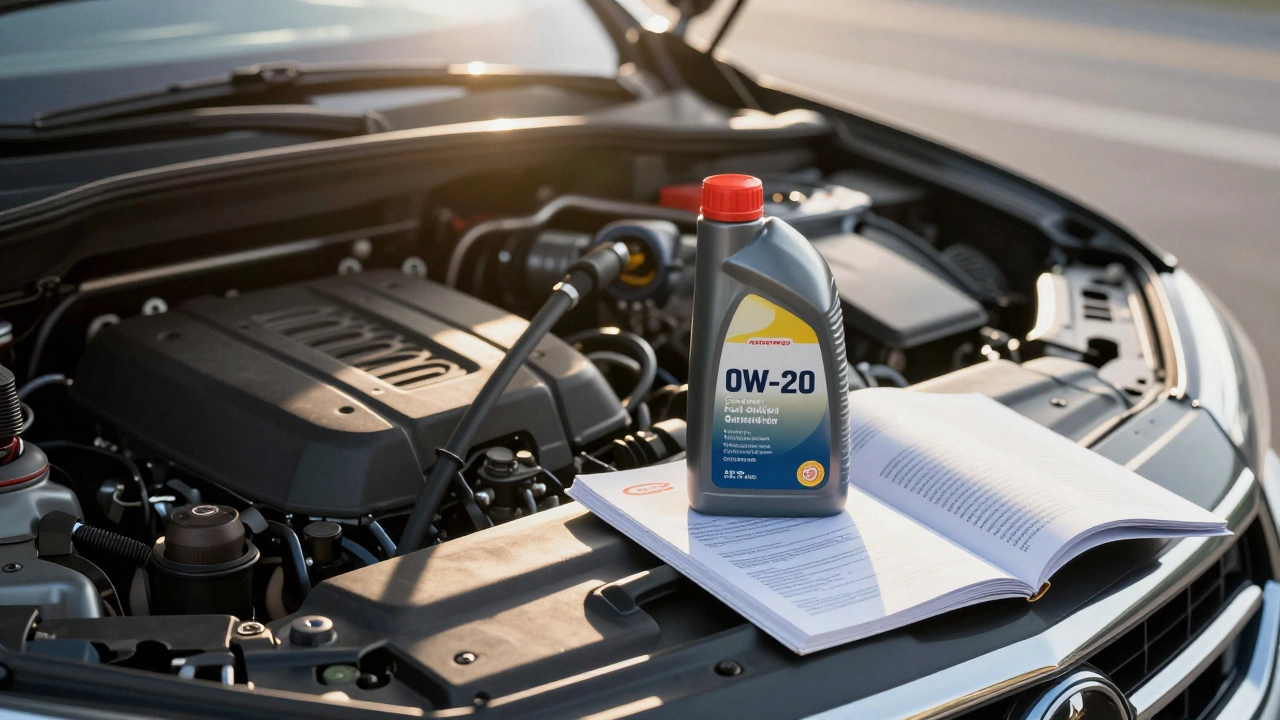
How Do I Know What Engine Oil I Need for My Car?
Learn how to choose the right engine oil for your car by checking your owner’s manual, understanding viscosity ratings, and matching oil type and specifications. Avoid costly engine damage with the correct oil.
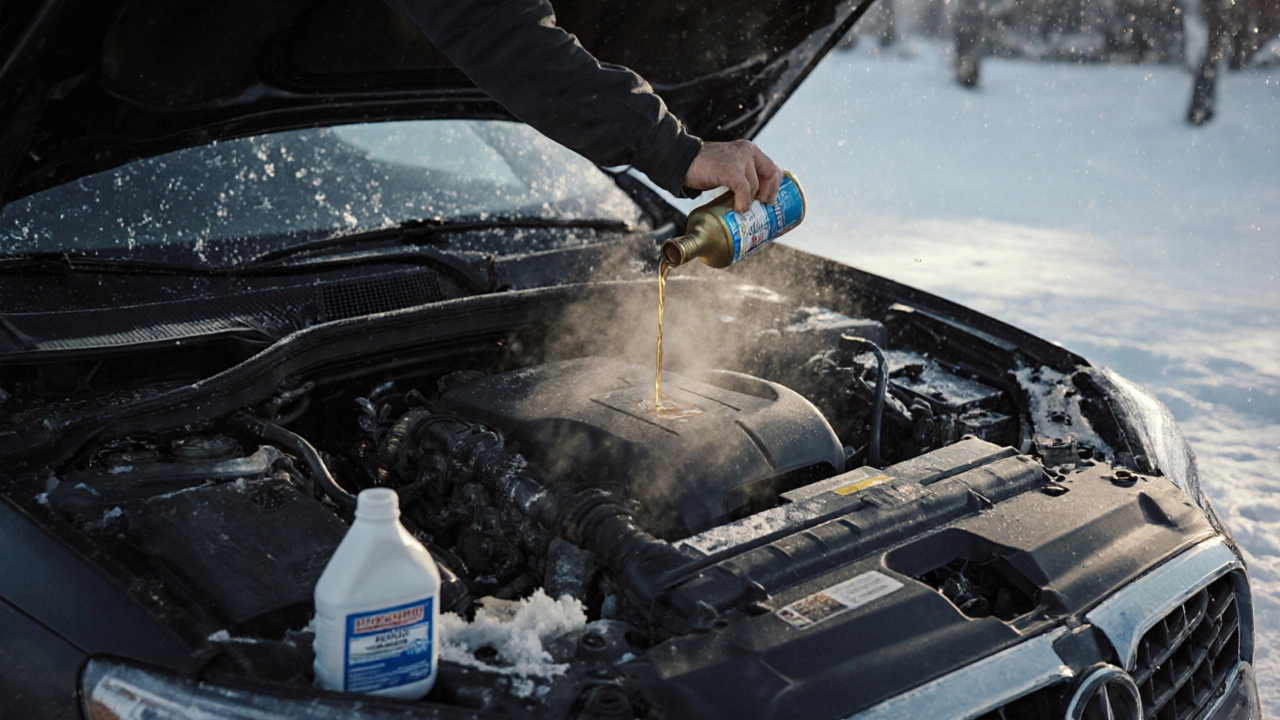
Does It Matter What Oil I Add to My Car? The Real Impact of Using the Wrong Engine Oil
Using the wrong engine oil can damage your car's engine, reduce fuel economy, and shorten its life. Learn what oil type, viscosity, and specification your car really needs - and why cutting corners isn't worth the risk.
Does Car Oil Go Bad If Not Used? Shelf Life, Storage, and Time-Based Change Rules (2025)
Yes, unused oil ages. See shelf life for sealed/opened bottles, how long oil can sit in an engine, storage tips, and when to change by time, not miles.
Will Using 10w30 Instead of 5w30 Harm Your Engine? Full Guide & Real Facts
Wondering what happens if you pour 10w30 instead of 5w30? Learn how oil viscosity affects your engine, what goes wrong, and if your car’s at risk.

Engine Oil Warning Signs: How to Tell If Your Car is Out of Oil
Wondering what happens if your car runs out of oil? This article covers all the tell-tale signs your engine is low or out of oil, from noise and dashboard lights to weird smells. Get smart tips for checking your oil and what to do if you spot trouble. Find out what really goes on inside your engine when oil is missing, and how to avoid expensive damage.
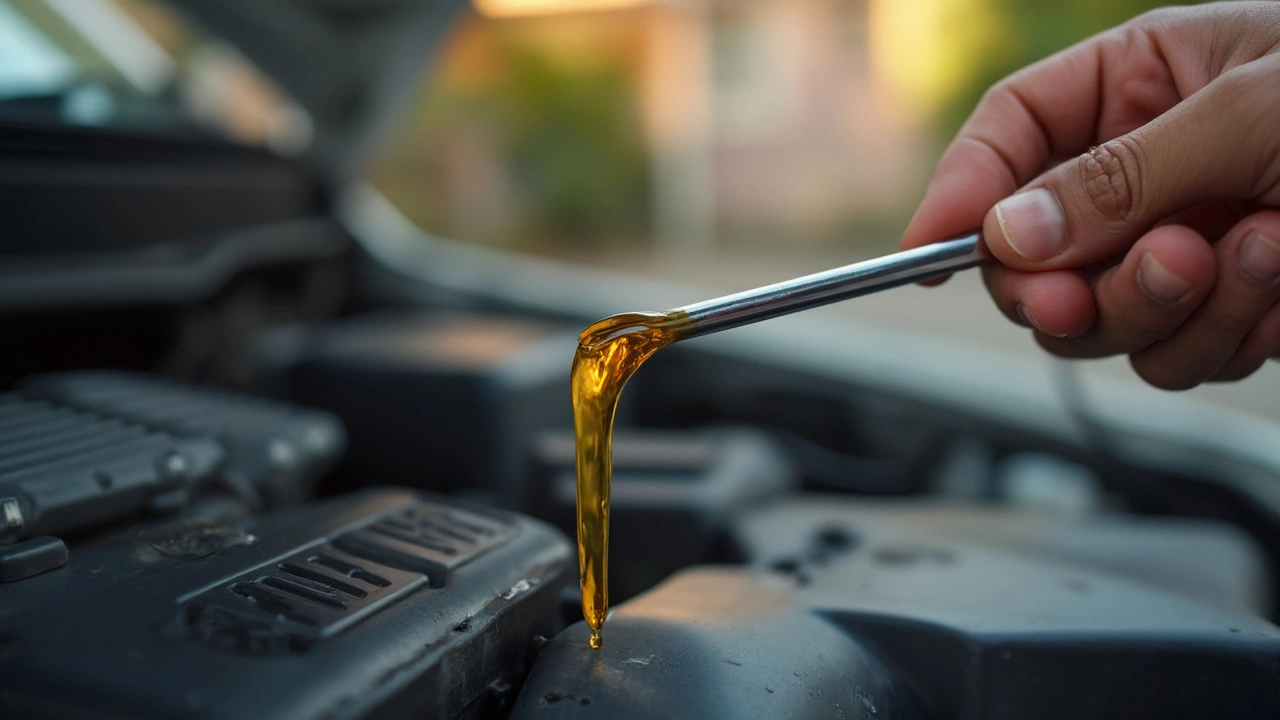
What Color Should Oil Be on a Dipstick? A Quick Guide for Drivers
Engine oil color on your dipstick tells you a lot about your car's health. This guide breaks down what those shades really mean, from golden new oil to dark, used fluid. You'll learn why oil changes color, when you should actually worry, and how to easily check your oil at home. Tips for spotting potential engine issues just by looking at the dipstick make this a must-read for anyone who drives. No jargon—just clear, practical advice.

How Long Can I Drive With Low Oil? Get the Facts Before You Risk Your Engine
Wondering how far you can push it when your oil level is low? This article breaks down what really happens inside your engine, how long you can safely keep driving, and what risks you’re taking if you ignore that warning light. Get real-world advice on emergency driving and learn the signs of trouble before your engine pays the price. Tips and lesser-known facts included for drivers who like to stay one step ahead. Don’t wait until it’s too late—understand the basics before your car throws in the towel.

Engine Oil: What Really Happens When Your Car Runs Low
Ever wonder what actually happens when your car is low on engine oil? This article dives into why oil matters, what happens if you skip or delay an oil change, and how to spot the warning signs before real damage hits. You'll learn simple tips for checking oil at home, plus what you can do if you notice trouble. Forget the jargon—just practical steps and real examples to help keep your car running smooth.

How Much Oil Should I Add If It's Low? Engine Oil Basics Made Easy
Not sure how much engine oil to add if your car is running low? This article breaks down what signs to look for, how to read the dipstick, and the right way to top up oil without overfilling. You’ll get practical tips, learn about common mistakes, and find out how much is too much. Whether you're a beginner or just need a quick reminder, this guide makes oil checks easy and stress-free.

How Long Can Engine Oil Sit Before It Goes Bad?
Ever wondered if the oil just sitting in your engine can go bad? This article covers how long engine oil can stay inside an unused engine before it loses its effectiveness, what happens as it ages, and why that's a big deal for your car. You'll find out the science behind oil breakdown, what affects its shelf life, and how you can tell when it's time to replace it. Simple tips will help you keep your engine safe even if your car is parked for months. No confusing jargon, just practical advice for every car owner.