Bad Spark Plugs: Signs, Symptoms, and What to Do Next
When your engine sputters, misfires, or refuses to start, the culprit might be something small but critical: bad spark plugs, the tiny components that ignite the air-fuel mixture in your engine’s cylinders. Also known as ignition plugs, they’re responsible for the very first step in making your car run—without them, nothing else matters. Most drivers don’t think about spark plugs until their car acts up, but worn or fouled plugs are one of the most common reasons for poor fuel economy, rough idling, and sudden breakdowns.
Bad spark plugs don’t just cause inconvenience—they can damage other parts of your engine. If a plug stops firing, the unburned fuel can wash away oil from cylinder walls, leading to increased wear. It can also flood the catalytic converter, which is expensive to replace. The engine misfire, a condition where one or more cylinders fail to ignite properly is often the first red flag. You’ll feel it as a jerking or hesitation when accelerating, especially at highway speeds. Then there’s the check engine light, a warning triggered by the car’s computer when it detects ignition problems. It doesn’t always mean spark plugs, but it’s one of the top reasons mechanics check them first.
Other signs are harder to ignore. If your car takes longer to start in the morning, or if you notice a drop in gas mileage without any other changes, those are clues. A bad plug can cause incomplete combustion, meaning you’re burning more fuel to get the same power. You might even hear a rhythmic popping sound from the engine, like it’s coughing. And if you’ve got a rough idle—where the car shakes when stopped at a light—that’s often a sign that one or more cylinders aren’t firing right.
What causes spark plugs to go bad? It’s not always age. Driving short trips often keeps the engine from reaching full operating temperature, letting carbon build up on the electrodes. Oil leaks from worn valve seals can coat the plugs, fouling them. And using the wrong type of plug—maybe because you grabbed whatever was on sale—can lead to overheating or pre-ignition. Most manufacturers recommend replacing them every 30,000 to 100,000 miles, depending on the type. Copper plugs wear out faster. Platinum and iridium last longer but cost more.
Fixing bad spark plugs isn’t complicated, but skipping it is. A $20 set of plugs and an hour of your time can save you hundreds in fuel and prevent bigger repairs. You don’t need fancy tools—just a socket wrench, a gap tool, and the right plugs for your car. And if you’re not sure what kind you need, the info’s usually on the old plug or in your owner’s manual.
Below, you’ll find real-world guides that walk you through diagnosing bad spark plugs, spotting the early signs before they turn into major problems, and replacing them yourself. Whether you’re dealing with a stubborn engine that won’t start or just want to keep your car running smoother, these posts give you the exact steps to follow—no guesswork, no jargon.
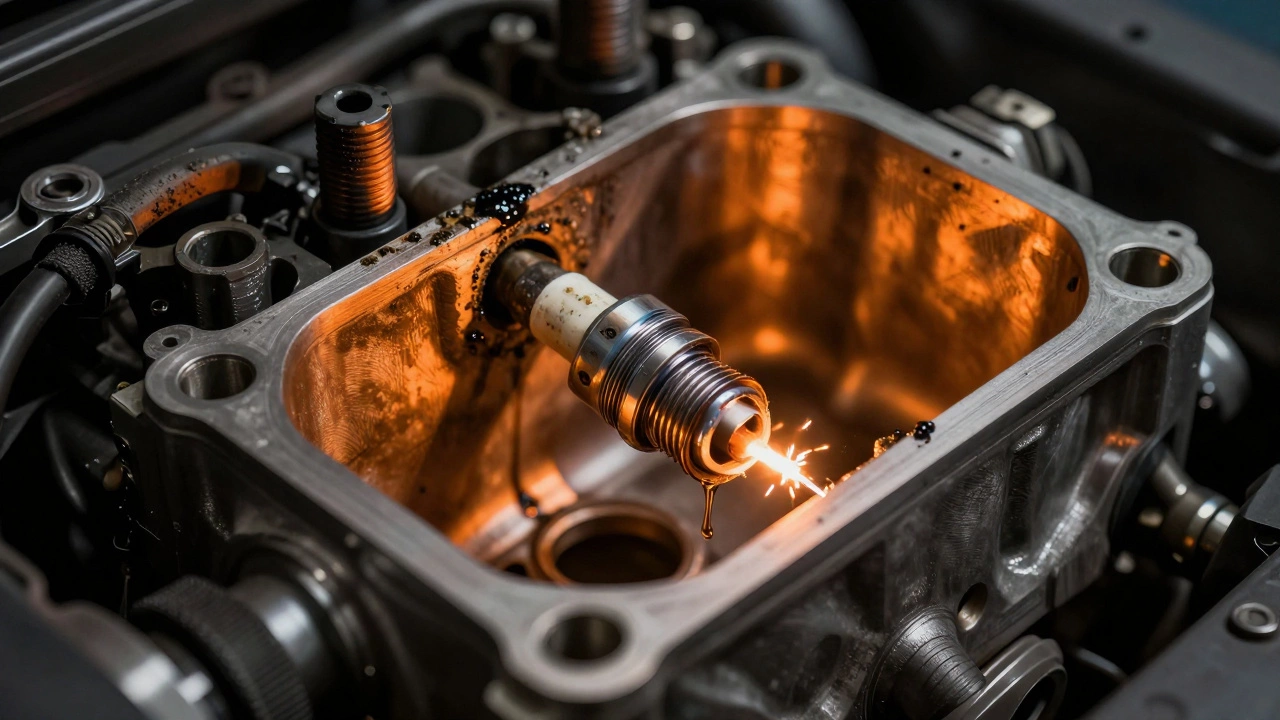
What Happens to Your Engine When Spark Plugs Go Bad?
Bad spark plugs cause misfires, poor fuel economy, and hard starts. Left unchecked, they can damage your catalytic converter and engine. Replacing them on schedule is cheap insurance against costly repairs.
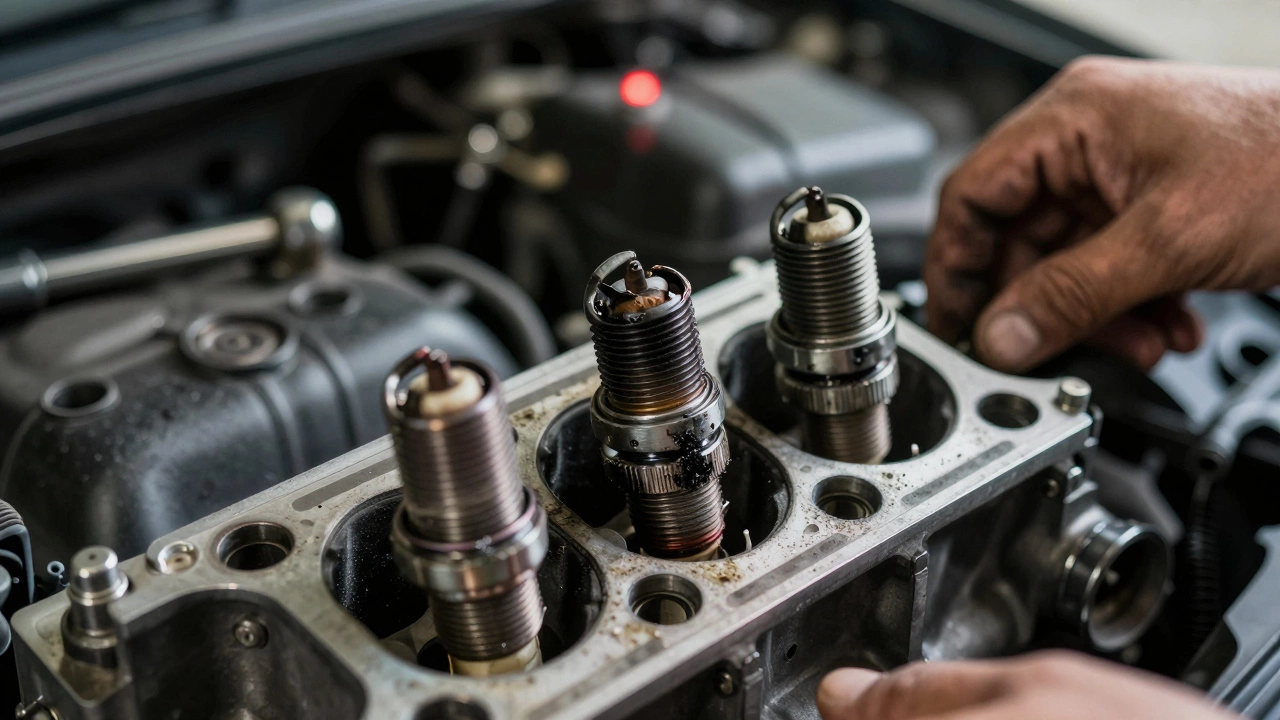
Can I Drive with Bad Spark Plugs? What Happens and When to Replace Them
Driving with bad spark plugs can damage your engine, waste fuel, and trigger costly repairs. Learn the signs, risks, and when to replace them before it's too late.
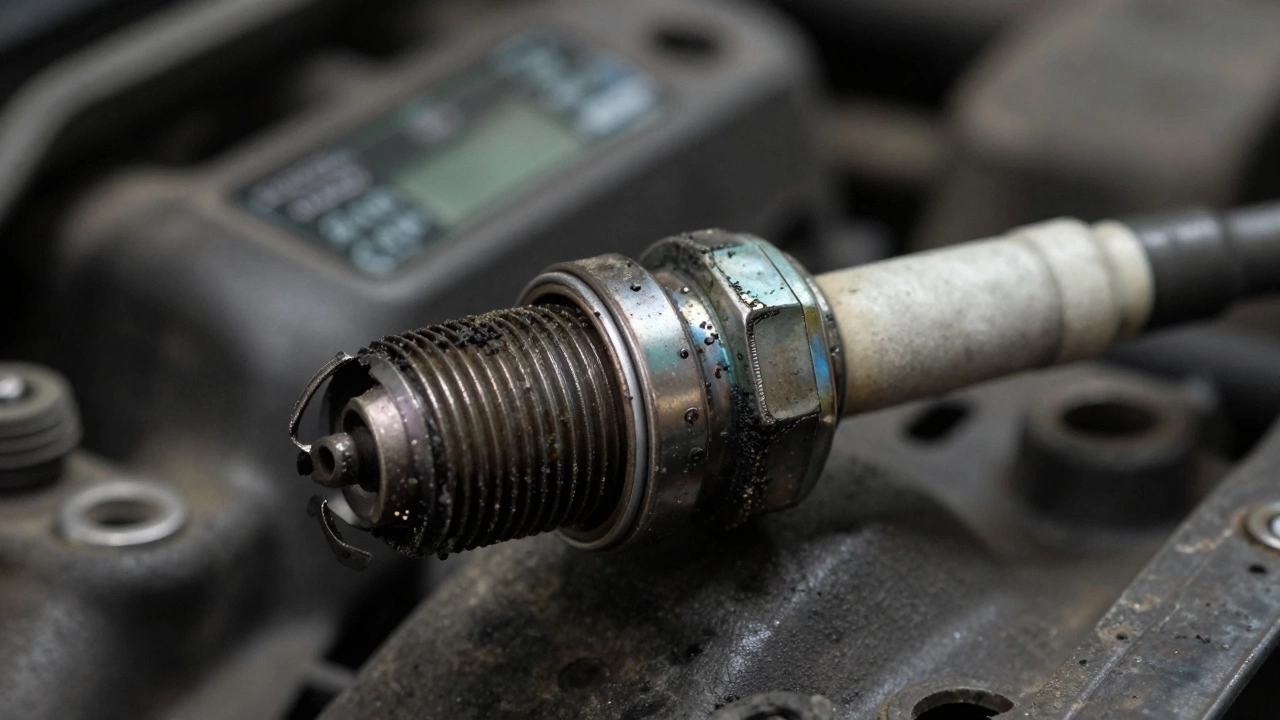
What Happens If I Drive With Bad Spark Plugs? Real Risks and Quick Fixes
Driving with bad spark plugs causes misfires, poor fuel economy, and can damage your engine. Learn the real risks and how to fix them before it costs you thousands.