Clutch Kits: What They Are, How They Work, and When to Replace Them
When you press the clutch pedal, you’re relying on a clutch kit, a set of components that connects and disconnects your engine from the transmission in a manual car. Also known as a clutch assembly, it’s what lets you shift gears without grinding—until it wears out. Most people don’t think about it until it starts slipping, squealing, or refusing to engage. But a clutch kit isn’t just one part—it’s a system: the pressure plate, disc, release bearing, and sometimes the pilot bearing all work together. If one fails, the others suffer fast.
That’s why flywheel, the heavy metal disc bolted to your engine’s crankshaft that the clutch presses against matters so much. A warped, cracked, or overheated flywheel can ruin a brand-new clutch kit in weeks. And if you’re driving hard—drag racing, drifting, or just riding the clutch in traffic—your clutch lifespan, how long the clutch kit lasts before needing replacement can drop from 100,000 miles to under 30,000. It’s not magic. It’s physics. Every time you ride the clutch or pop the pedal too hard, you’re burning friction material. You’re not being aggressive—you’re paying for it later.
Clutch slipping isn’t always a sign of wear. Sometimes it’s a bad installation, a contaminated disc from oil leaks, or a hydraulic issue. But if your car hesitates when you accelerate, or the RPMs climb without speed, you’re not imagining it. That’s the clutch giving up. And if you hear grinding when shifting, or the pedal feels spongy or too high, those aren’t just annoyances—they’re warnings. A bad release bearing or worn pressure plate won’t fix itself. And driving with a burnt clutch? That’s not a quick fix—it’s a one-way ticket to a transmission repair bill.
Replacing a clutch kit isn’t a weekend project for everyone. It takes hours, jack stands, torque wrenches, and the patience to deal with stubborn bolts. But knowing what to look for—like whether your flywheel needs resurfacing or if you need a performance clutch for your modified car—means you won’t get ripped off at the shop. You’ll know if the quote includes labor for removing the transmission, if the flywheel is included, or if that "budget" clutch kit is just a cheap copy that’ll fail before your next oil change.
Below, you’ll find real stories from people who’ve been there: the driver who replaced their clutch at 45,000 miles because of how they drove, the guy who saved $600 by doing it himself, the racer who learned the hard way that a street clutch won’t handle track abuse. You’ll see how much it actually costs in Canada, what noises mean trouble, and whether upgrading your clutch gives you real power gains—or just a louder engine. No fluff. Just what you need to keep your manual car running, and avoid getting stranded with a dead clutch.
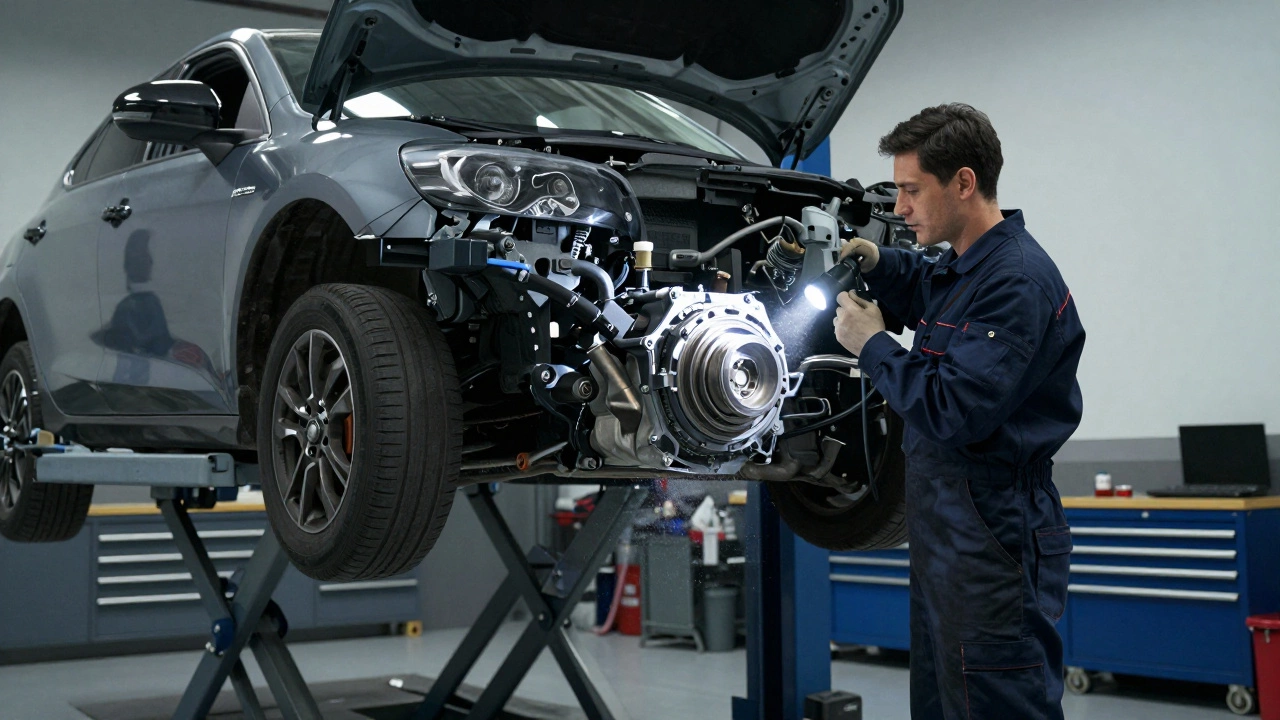
How Much Does It Cost to Fix a Burnt Clutch in 2026? Complete Price Guide
Find out real costs for fixing a burnt clutch in Canada. We break down parts, labor, hidden fees, and when to choose a pro.

How Do I Know If I Need a New Clutch Kit? 7 Clear Signs Your Clutch Is Failing
Learn the 7 clear signs your clutch kit is failing - slipping, grinding, strange smells, and more. Don’t wait until your car won’t move. Fix it before it costs you thousands.
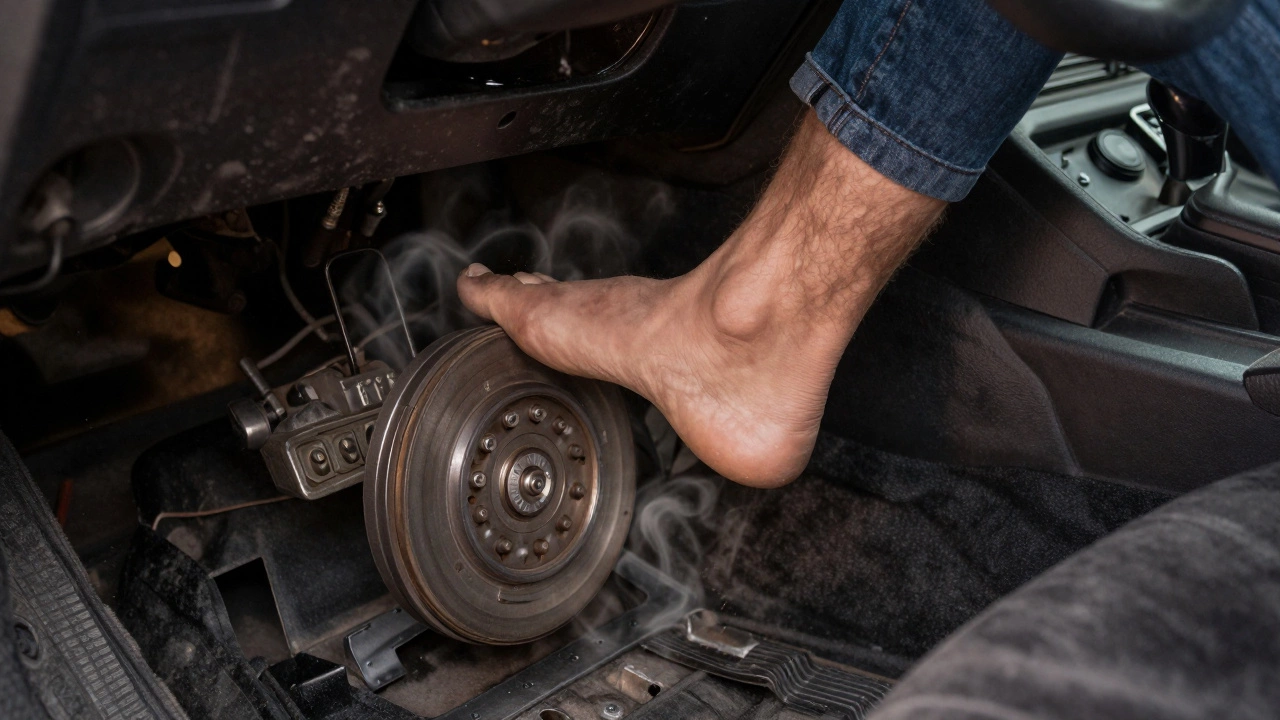
How Long Does a Clutch Kit Last? Real-World Lifespan and Signs of Wear
A clutch kit typically lasts between 60,000 and 100,000 miles, but real-world lifespan depends on driving habits. Learn the signs of wear, how to extend its life, and what causes premature failure.
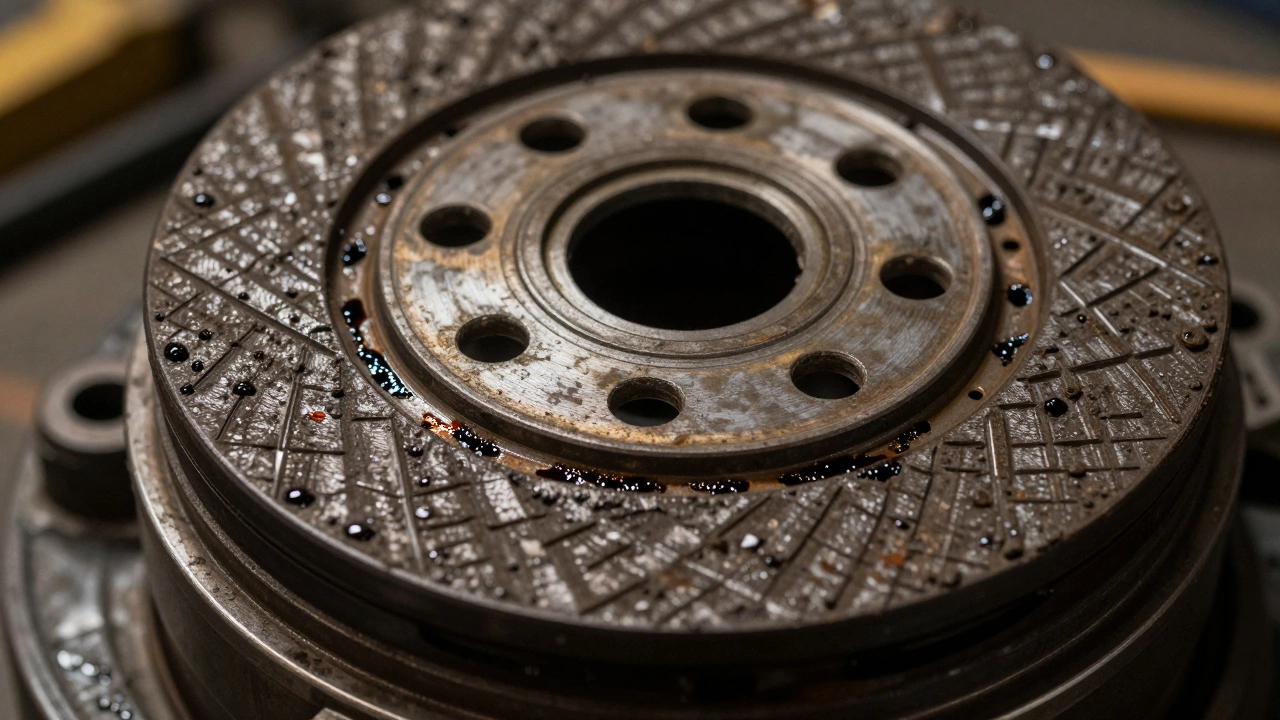
Can a Bad Clutch Damage the Transmission? Here's What Really Happens
A bad clutch doesn't just make shifting hard-it can overheat and destroy your transmission. Learn the signs, the real costs, and how to avoid a $3,000 repair.
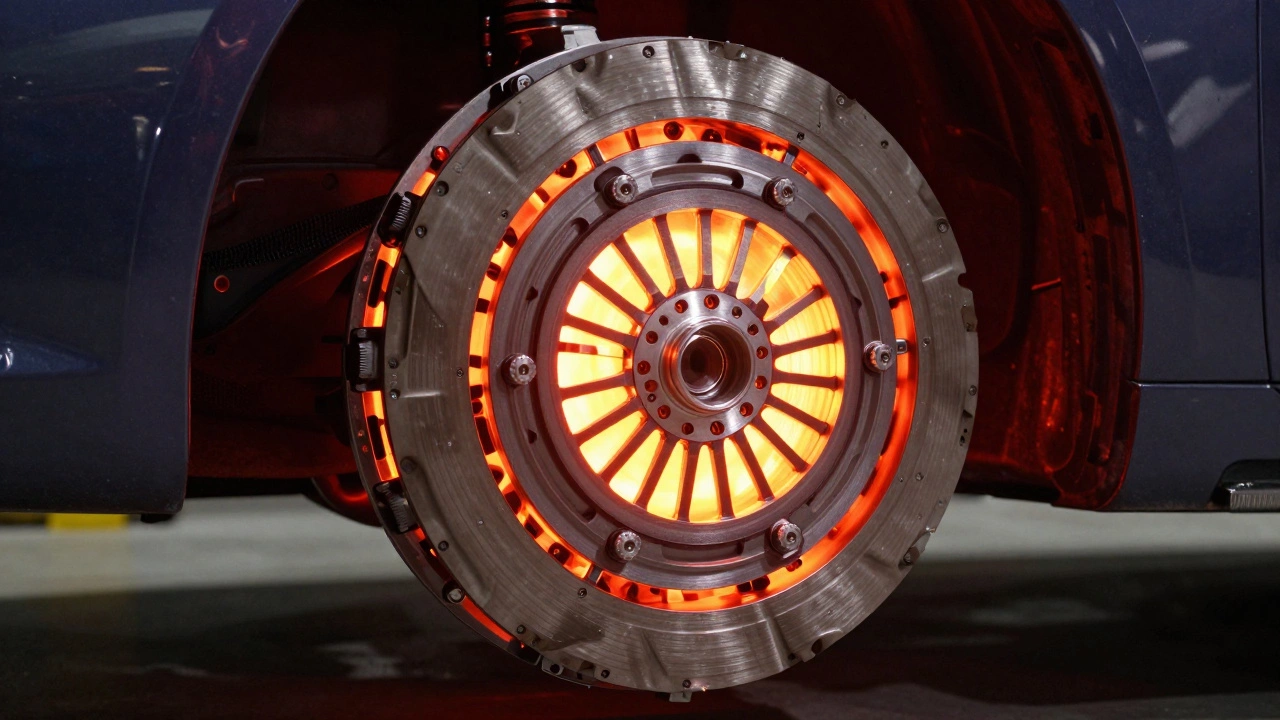
How Much HP Can a Stage 2 Clutch Handle?
A stage 2 clutch can handle 400-550 horsepower, but torque matters more than HP. Learn what makes a clutch last, how to choose the right one, and when to upgrade beyond stage 2.

How Many Miles Should a Clutch Last? Real-World Expectations and Signs of Wear
Most clutches last between 50,000 and 150,000 miles, but driving style and vehicle type make a big difference. Learn the signs of wear, how to extend clutch life, and when to replace it before it leaves you stranded.
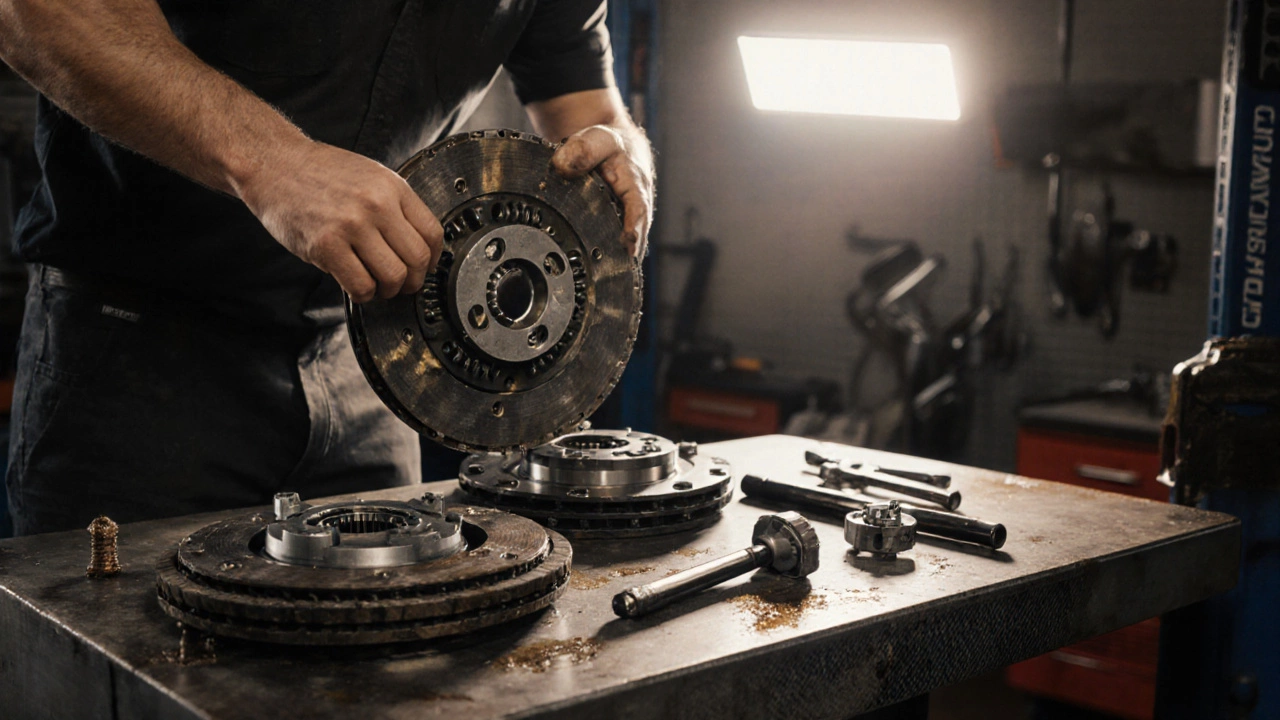
How Many Miles Does a Clutch Last? Real-World Expectations and Signs It’s Failing
A clutch typically lasts between 80,000 and 120,000 miles, but driving habits can cut that in half-or double it. Learn what really wears out a clutch, how to spot early signs of failure, and how to make yours last longer.
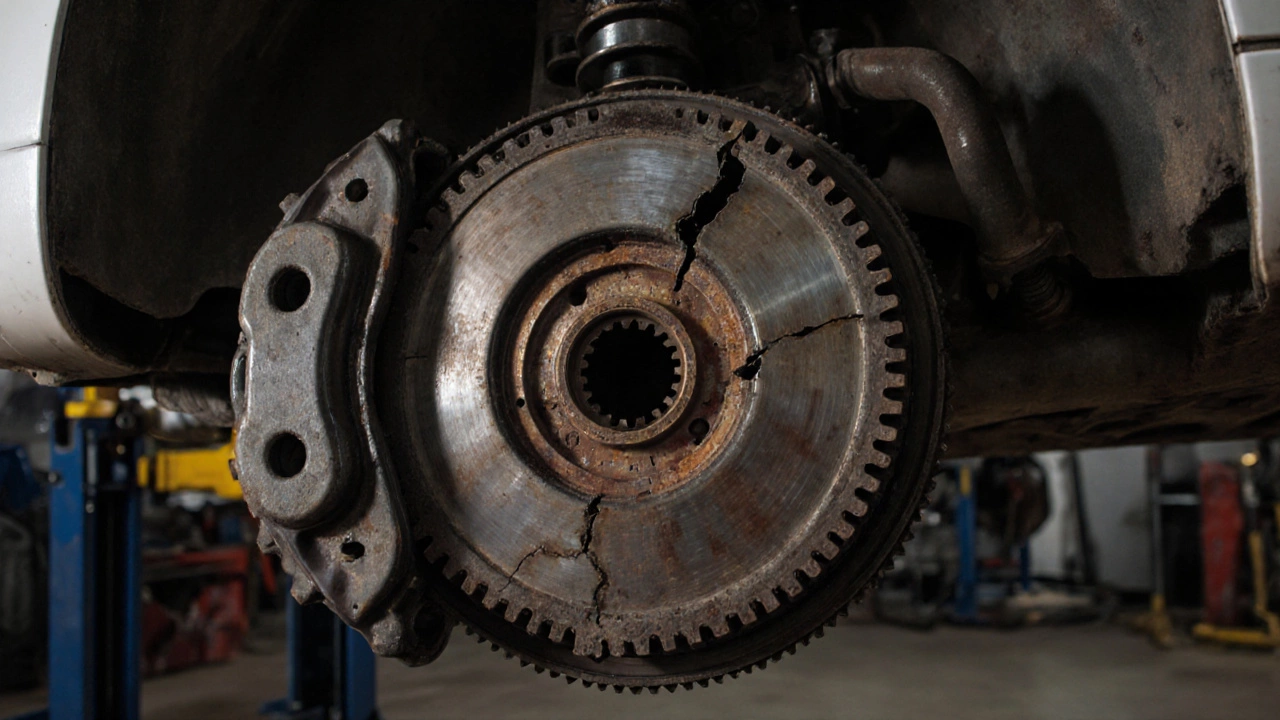
What Noise Does a Bad Flywheel Make? Signs You Need a Replacement
A bad flywheel makes grinding, clunking, or chirping noises-especially when shifting or accelerating. Learn how to spot the signs, why it fails, and when to replace it before it destroys your clutch or transmission.
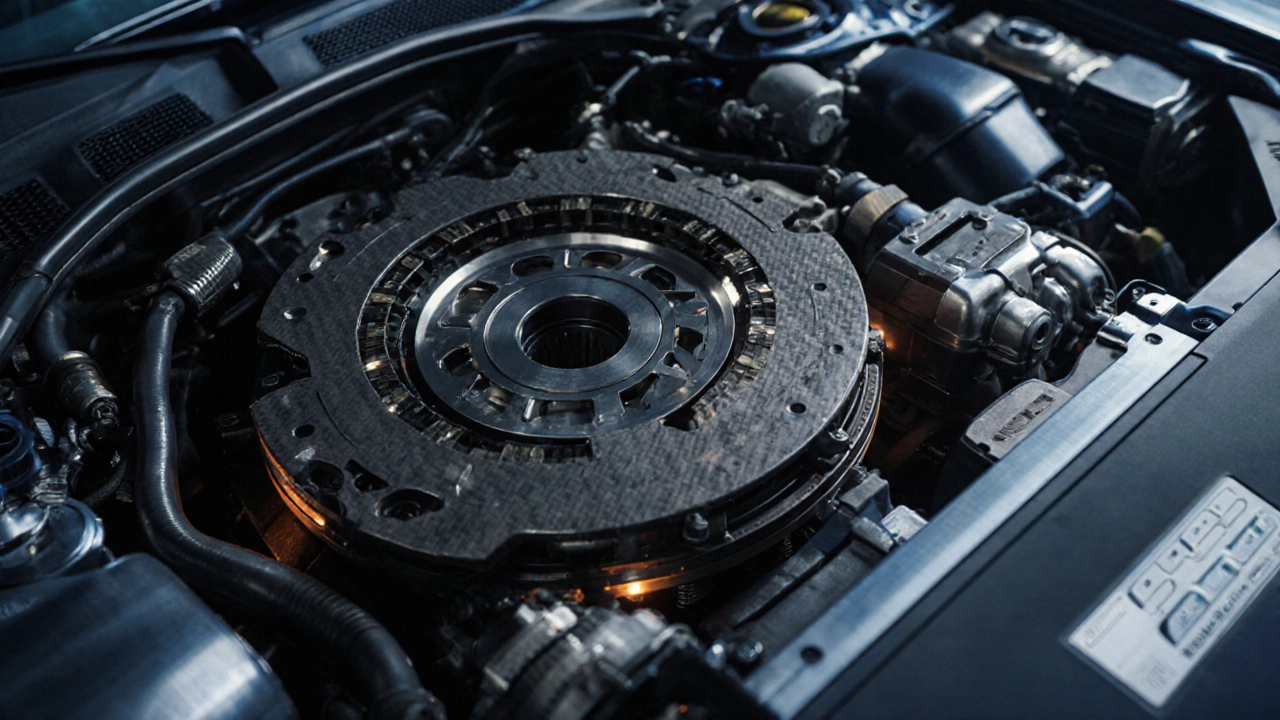
Do Upgraded Clutches Really Boost Acceleration?
Learn if an upgraded clutch truly speeds up your car, how it works, real performance data, installation tips, and when the upgrade is worth it.
New Clutch Cost in Canada (2025): Real Prices, Labour, and What Affects Your Bill
2025 Canada guide to new clutch cost: real ranges, parts vs labour, flywheel extras, Ontario HST, and ways to save without risking your gearbox.
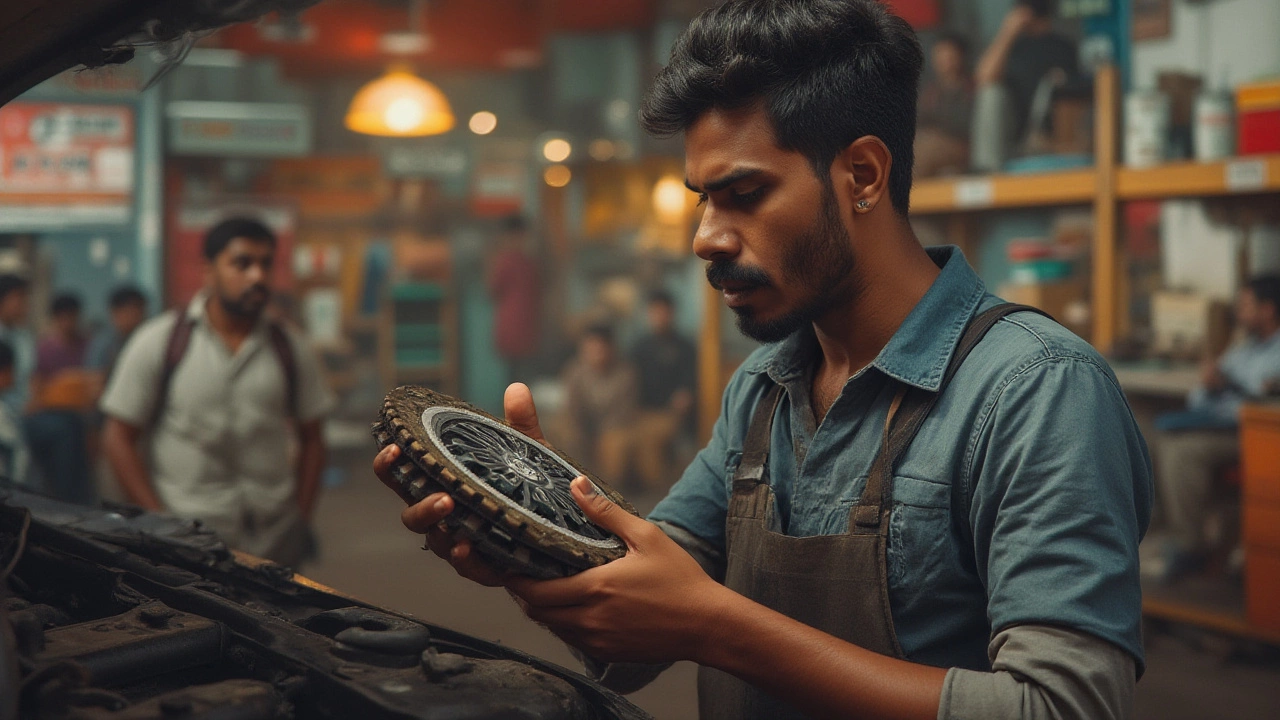
Brand New Clutch Slipping: Causes, Fixes, and Prevention for Drivers
Your clutch is new, but it’s still slipping? Discover why this happens, key warning signs, real-world causes, and practical fixes you can trust.
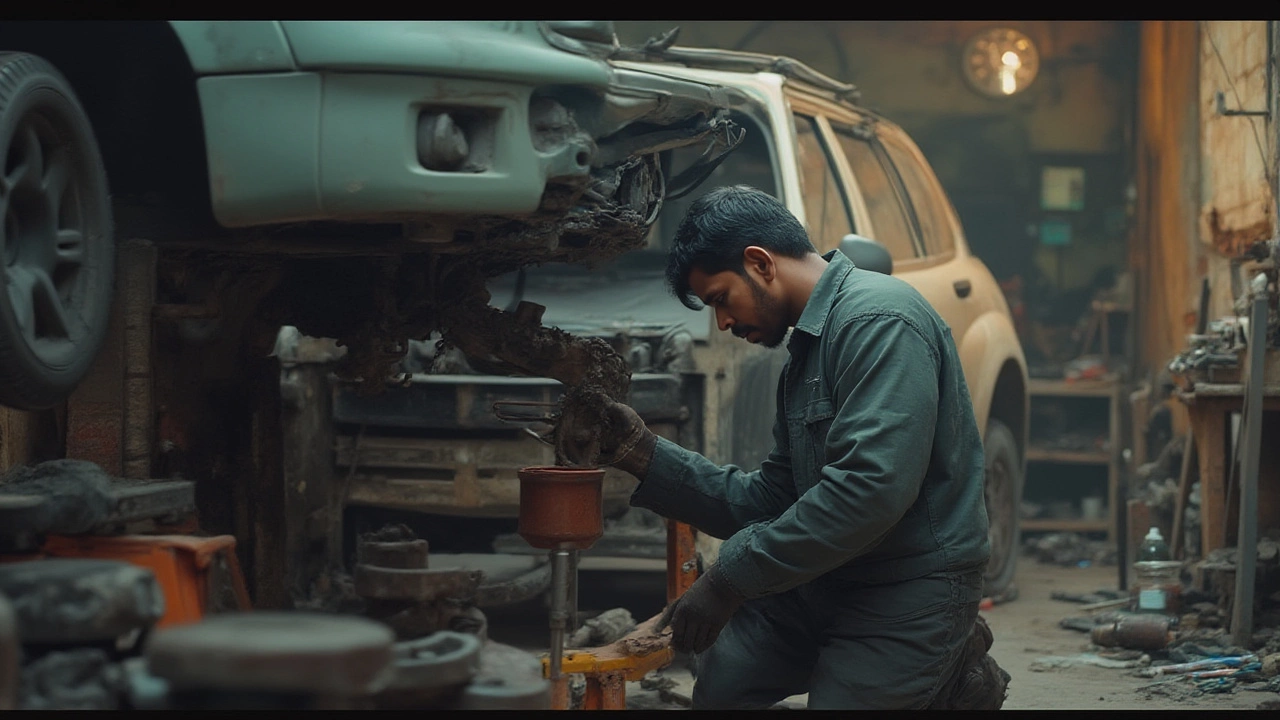
How Long Does It Take to Replace a Clutch Kit? Full Guide and Timing Tips
Wondering how many hours to replace a clutch kit? Get a down-to-earth guide on clutch replacement timing, process, surprises in labor, and tips to save time and cash.